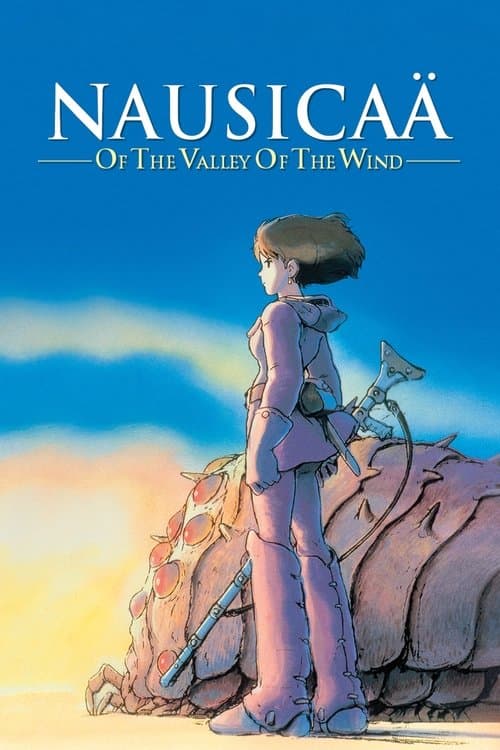
Nausicaä of the Valley of the Wind
Hayao Miyazaki · 1984
In a post-apocalyptic world overrun by a toxic jungle and giant insects, a young princess named Nausicaä works to prevent a war between human factions while discovering that the poisonous forest is actually purifying a planet that humans have destroyed. Miyazaki's founding ecological epic establishes every theme he will spend his career developing.
Techniques Used
4 techniques identified in this film
Ecological Animism
NarrativeA worldview embedded in the film's narrative and visual language in which natural entities — animals, plants, insects, spirits — have consciousness, agency, and moral standing equal to or exceeding humans.
How this film uses it
The Ohm — giant insects that humans fear and slaughter — are revealed to be the planet's immune system, their violence a response to human violence, the film's central argument that the non-human world has its own purposes that humans mistake for hostility.
Female Agency as Structural Default
NarrativeA narrative structure in which a woman's inner life, choices, and physical capability are treated as the primary engine of the plot.
How this film uses it
Nausicaä is the film's complete protagonist — pilot, scientist, diplomat, warrior — her gender never a limitation or a narrative obstacle, her authority established in the opening scene and never questioned by the film's structure.
Hand-Drawn Texture
CinematographyThe visible presence of the animator's hand in the image — line variation, painted texture, the slight imperfection of human craft — that gives animation irreplaceable warmth.
How this film uses it
Miyazaki's own hand is present in much of the animation — the toxic forest's luminescent spores, the Sea of Decay's alien geometry, Nausicaä's glider in flight — the drawn quality encoding a world that is simultaneously strange and intimately observed.
Secondary World Construction
NarrativeThe creation of a complete fictional world with its own history, geography, and internal logic that the film establishes through accumulated detail rather than exposition.
How this film uses it
Miyazaki's post-apocalyptic world is established entirely through visual detail — the patchwork kingdoms, the giant insects, the toxic jungle's ecology — the worldbuilding conducted through imagery rather than explanation, the audience assembling the rules from what they observe.
You Might Also Like
Films that share at least one technique with Nausicaä of the Valley of the Wind
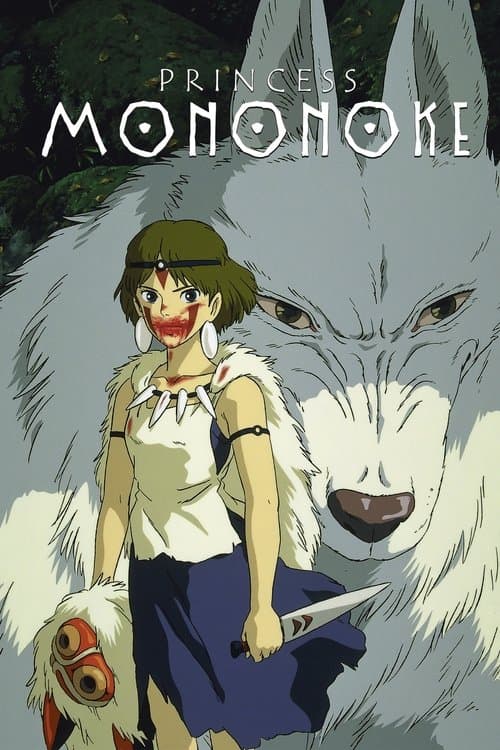
A young warrior prince becomes entangled in a war between a human mining colony and the ancient gods of the forest, and refuses to take a side. A film about industrialization, ecology, and the tragedy of irreconcilable necessities — the first Miyazaki film with no clear villain.
Princess Mononoke
Hayao Miyazaki · 1997
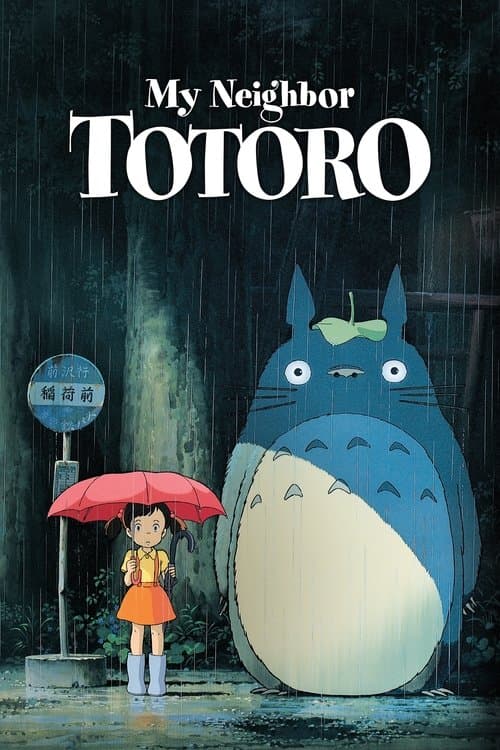
Two young sisters move to the countryside with their father while their mother recovers in hospital, and discover that the surrounding forest is inhabited by gentle, enormous spirits. Hayao Miyazaki's film is a perfect capture of childhood's capacity to find wonder in the ordinary and sustain itself through the extraordinary.
My Neighbor Totoro
Hayao Miyazaki · 1988

A boy grieving his mother's death is lured by a talking grey heron into a mysterious tower and a world between life and death where the dead and the unborn coexist. Miyazaki's return from retirement is a film about grief, inheritance, and the impossible task of building something that will outlast you.
The Boy and the Heron
Hayao Miyazaki · 2023