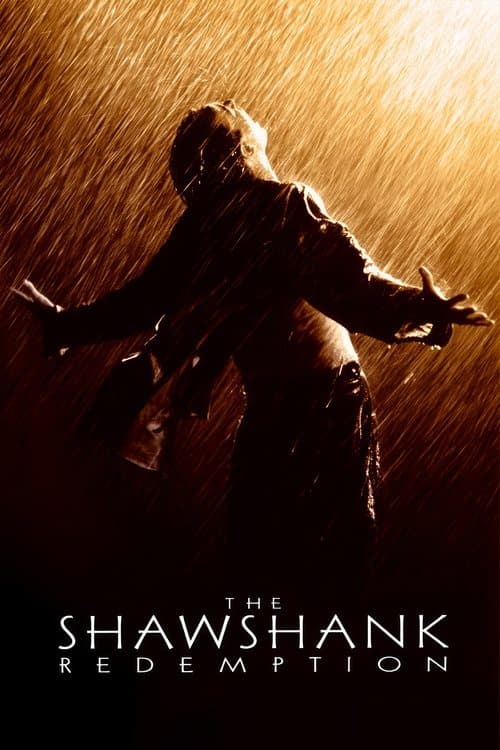
The Shawshank Redemption
Frank Darabont · 1994
A banker wrongly convicted of murder endures nearly two decades inside Shawshank Prison through quiet resistance, unlikely friendship, and an unbroken will. A film about hope as an act of defiance against the slow machinery of institutional dehumanization.
Techniques Used
5 techniques identified in this film
Retrospective Voiceover
NarrativeA narrator recounting past events from a future vantage point, adding elegiac distance and dramatic irony to events the audience watches unfold.
How this film uses it
Morgan Freeman's Red narrates Andy's story from memory, his voice layering resignation and eventual wonder over the action. The narration controls emotional pacing — withholding judgement until the film earns it.
Institutional Architecture
CinematographyUsing the physical design of a total institution — its walls, corridors, and surveillance sightlines — as a visual argument about power, confinement, and the suppression of the individual.
How this film uses it
Roger Deakins's cinematography frames Shawshank's stone walls and guard towers as a permanent sky replacement — the outside world literally blocked from view. Light enters only in controlled shafts, making Andy's moments of autonomy visually luminous.
Earned Catharsis
PsychologyBuilding emotional payoff over an extended runtime by investing in character relationship and incremental hope before delivering a release that feels proportionate to the suffering that preceded it.
How this film uses it
Darabont withholds the escape's mechanics for nearly two hours, letting the audience accumulate two decades of Andy's patience. The reveal of the tunnel and the rain sequence land with the force of everything the film held back.
The Long Reveal
EditingDisclosing a crucial plot mechanism retroactively — showing its outcome before its mechanics — so that a second act of viewing recontextualizes everything the audience already saw.
How this film uses it
The film shows Andy's escape before explaining how he achieved it. The subsequent reconstruction — the tunnel, the rock hammer, the posters — replays scenes from a new angle, rewarding the audience's patience with a cascade of payoffs.
Symbolic Object
NarrativeA recurring physical prop that accumulates thematic meaning across a film, functioning simultaneously as a plot device and an emblem of the story's central ideas.
How this film uses it
The rock hammer, the library books, the film posters, and finally the stone — each object is introduced practically and returns as a symbol of Andy's refusal to let the institution define him. The chess pieces he carves from soap map his interior life against the prison's blank walls.
You Might Also Like
Films that share at least one technique with The Shawshank Redemption
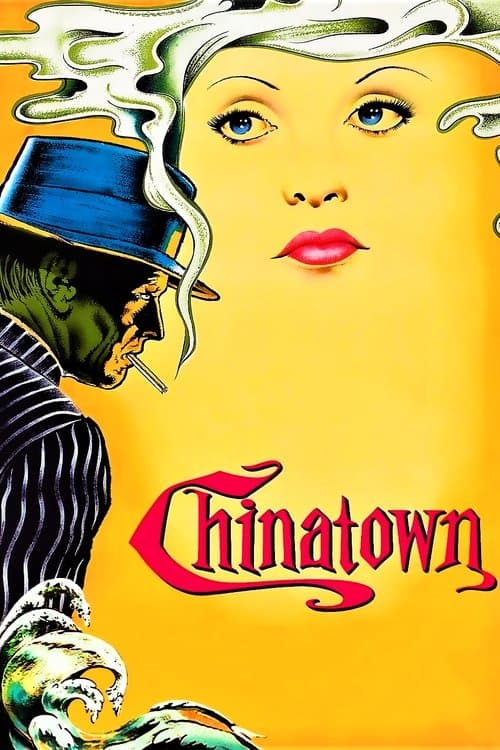
Los Angeles private investigator J.J. Gittes is hired to tail a man's wife and finds himself entangled in a conspiracy of water, power, and incest that reaches the city's most powerful man. Roman Polanski's neo-noir masterpiece dismantles the detective genre's promise of resolution — the investigation succeeds, and everything is destroyed.
Chinatown
Roman Polanski · 1974
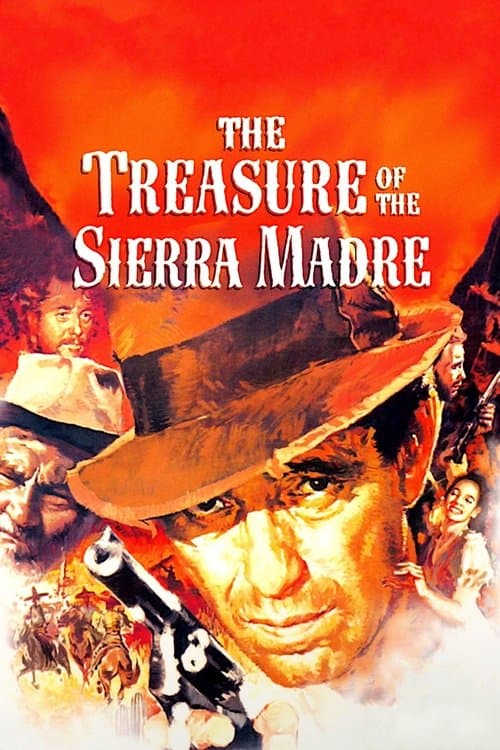
Three American drifters in Mexico strike gold in the mountains and discover that the real danger is not bandits but what greed does to a man's ability to trust anyone. John Huston's pessimistic adventure film treats the acquisition of wealth as a psychological autopsy.
The Treasure of the Sierra Madre
John Huston · 1948
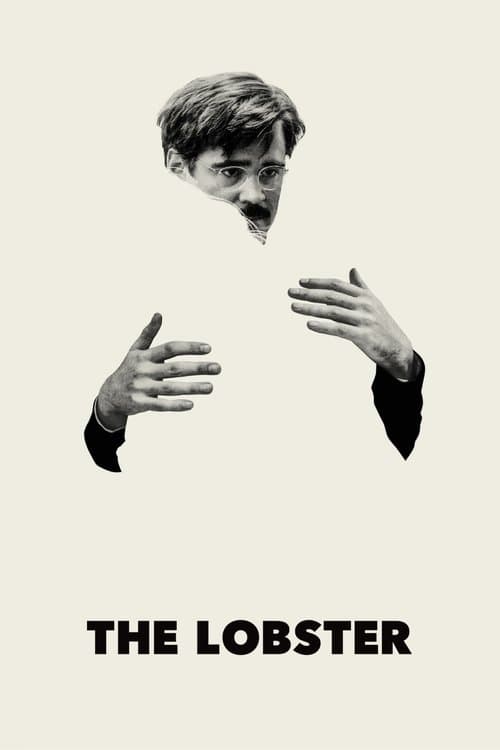
In a near-future society, single people are taken to a hotel where they must find a romantic partner within 45 days or be transformed into an animal of their choosing. Yorgos Lanthimos uses bureaucratic absurdism to examine how society enforces coupling — and what people do to themselves to conform.
The Lobster
Yorgos Lanthimos · 2015