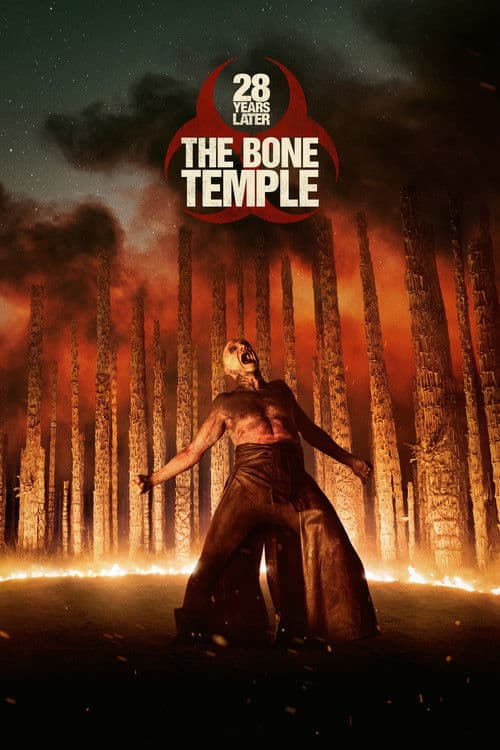
28 Years Later: The Bone Temple
Nia DaCosta · 2026
In a Britain ravaged by the Rage virus, a young survivor is captured by a roving Satanic cult while a scientist makes an unprecedented connection with an infected host. Written by Alex Garland, directed by Nia DaCosta — a sequel that deliberately dismantles the visual grammar of its predecessor.
Techniques Used
5 techniques identified in this film
Deliberate Close-Up Performance
CinematographyHolding close-up shots long enough for actors to develop micro-expressions and subtle behavioral shifts, prioritizing psychological interiority over editorial momentum.
How this film uses it
Where Danny Boyle's direction is instinctive and kinetic, DaCosta slows the close-up down — allowing Ralph Fiennes and Jack O'Connell time to inhabit silence. The camera becomes an instrument of behavioral scrutiny rather than narrative propulsion.
Overhead Composition
CinematographyShooting from directly above a scene to flatten spatial depth, create geometric abstraction, and impose a god-like or surveillance perspective on the action below.
How this film uses it
Cinematographer Sean Bobbitt uses overhead shots of the Bone Temple's interior to reveal the full scale and symmetry of the ossuary construction — transforming horror set design into something approaching the sublime, and making the audience feel both omniscient and complicit.
Production Design as Psychological Space
NarrativeUsing a single, elaborately constructed set or location as a visual externalization of a character's psychology — so the space reads as both a physical reality and an inner landscape.
How this film uses it
The Bone Temple — constructed from around 5,500 cast skulls and 150,000 individually assembled bones — is Dr. Ian Kelson's obsession made architectural. The physical absurdity and undeniable labor of the structure communicates his psychological state more powerfully than any dialogue could.
Tonal Succession
NarrativeA sequel strategy in which a new director deliberately abandons the visual and tonal language of the preceding film, treating continuation as an opportunity for formal reinvention rather than imitation.
How this film uses it
DaCosta was specifically tasked with not replicating Danny Boyle's instinctive, handheld urgency. The result is a film that shares a story world with its predecessor but speaks in an entirely different cinematic language — more deliberate, more architectural, more interior.
Cult Structure as Social Horror
PsychologyUsing a cult — its hierarchy, rituals, and coercive logic — as a horror mechanism that externalizes how social systems manufacture complicity and strip individual agency.
How this film uses it
The Fingers, a nomadic Satanic cult whose members all adopt variations of the same name, function as a horror of conformity — identity erasure enforced through collective ritual. Spike's absorption into the group dramatizes the psychological mechanics of coercive control.
You Might Also Like
Films that share at least one technique with 28 Years Later: The Bone Temple
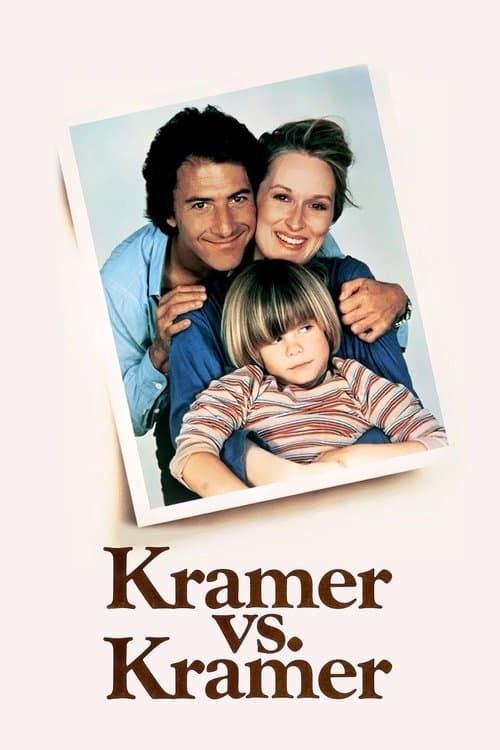
A workaholic New York advertising executive must suddenly raise his young son alone after his wife leaves, only for her to return and seek custody. Robert Benton's film made the dissolution of a modern American family into an intimate, devastatingly observed portrait of adults learning to love.
Kramer vs. Kramer
Robert Benton · 1979
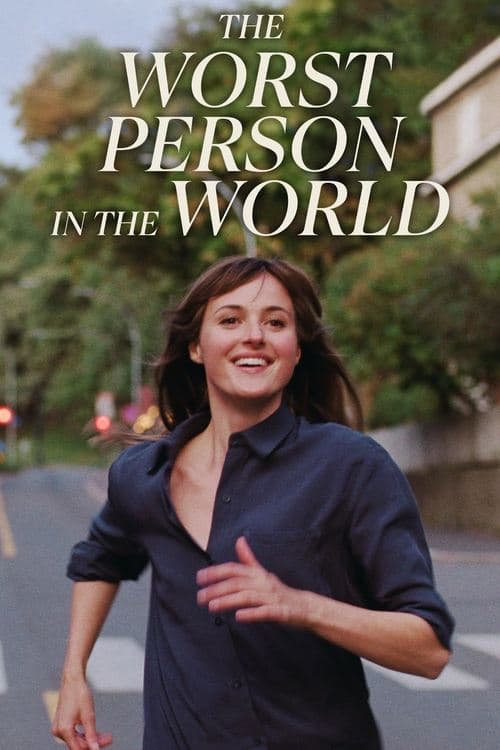
Julie, a thirtysomething Oslo woman, navigates a series of false starts — in career, in love, in identity — across twelve chapters and an epilogue, perpetually becoming something other than what the previous version of herself intended. Joachim Trier's film is the definitive millennial portrait of the person who cannot stop reinventing herself.
The Worst Person in the World
Joachim Trier · 2021

Priscilla Beaulieu meets Elvis Presley at fourteen years old in Germany, is moved across the world to live with him in Graceland, and spends a decade waiting for a man who is always elsewhere — until she finds herself and leaves. Sofia Coppola's film is Priscilla's story, not Elvis's.
Priscilla
Sofia Coppola · 2023