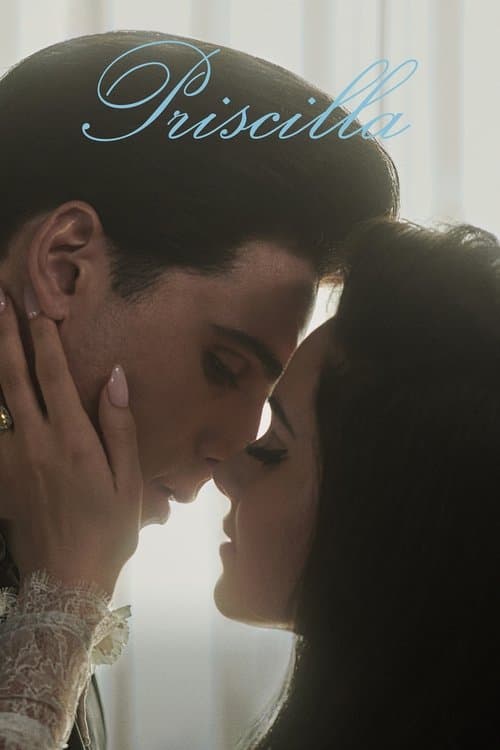
Priscilla
Sofia Coppola · 2023
Priscilla Beaulieu meets Elvis Presley at fourteen years old in Germany, is moved across the world to live with him in Graceland, and spends a decade waiting for a man who is always elsewhere — until she finds herself and leaves. Sofia Coppola's film is Priscilla's story, not Elvis's.
Techniques Used
4 techniques identified in this film
Production Design as Psychological Space
CinematographyThe use of production design to externalize a character's psychology — the spaces they inhabit encoding their emotional state without dialogue.
How this film uses it
Graceland is shot not as spectacle but as enclosure — its dense décor, its overwhelming presence, its rooms full of other people's taste — Coppola making the mansion feel like the inside of someone else's mind, a space Priscilla inhabits but never owns.
Observational Restraint
NarrativeA filmmaking approach that withholds explanation, allowing behavior and environment to communicate character meaning without dialogue.
How this film uses it
Coppola films Elvis's control over Priscilla through small gestures rather than dramatic confrontations — what she is asked to wear, when she is allowed to leave, what she is permitted to learn — the accumulation of small constraints more disturbing than any single incident.
Color Grading as Psychology
CinematographyThe deliberate manipulation of color temperature and saturation to externalize a character's internal emotional state.
How this film uses it
Philippe Le Sourd's photography moves from the warm, saturated romance of the early courtship toward the washed-out, desaturated palette of Priscilla's later Graceland years — the color temperature charting the draining of possibility.
Deliberate Close-Up Performance
CinematographyExtended use of tight facial framing to capture micro-expressions, making the audience hyper-aware of suppressed emotion.
How this film uses it
Coppola films Cailee Spaeny's face in sustained close-up — the camera watching Priscilla perform contentment, perform adoration, perform the person Elvis wants — the close-ups making the performance legible as performance rather than reality.
You Might Also Like
Films that share at least one technique with Priscilla
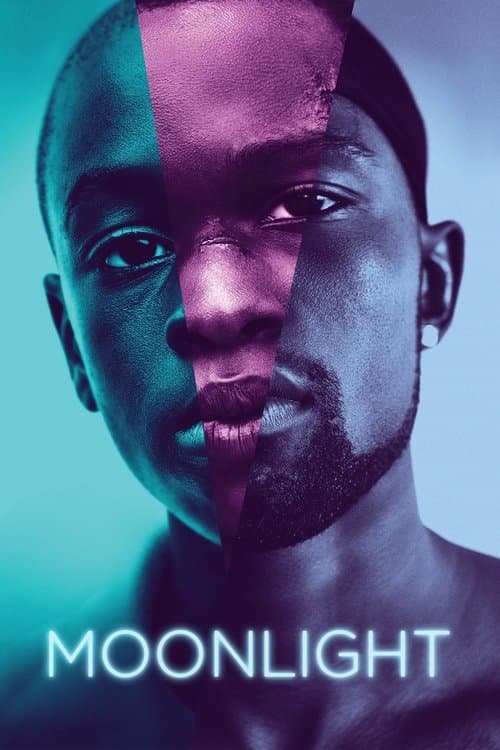
A young Black man named Chiron navigates identity, sexuality, and belonging across three defining chapters of his life in Miami. Told in triptych form, the film is a tender and elliptical portrait of masculinity shaped by poverty and silence.
Moonlight
Barry Jenkins · 2016
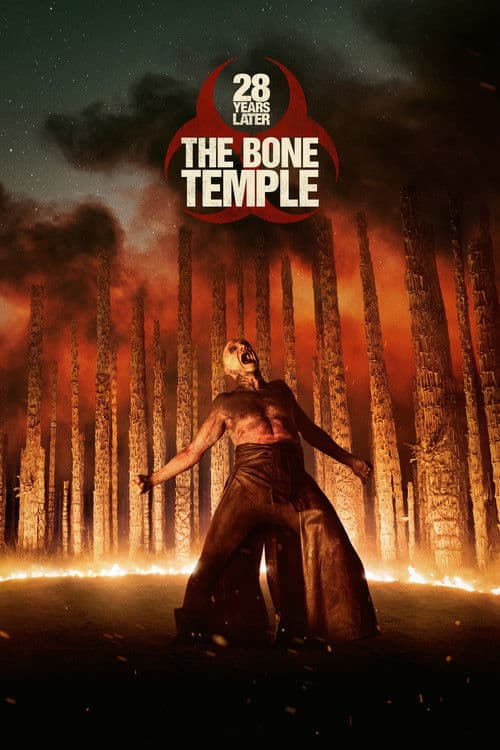
In a Britain ravaged by the Rage virus, a young survivor is captured by a roving Satanic cult while a scientist makes an unprecedented connection with an infected host. Written by Alex Garland, directed by Nia DaCosta — a sequel that deliberately dismantles the visual grammar of its predecessor.
28 Years Later: The Bone Temple
Nia DaCosta · 2026
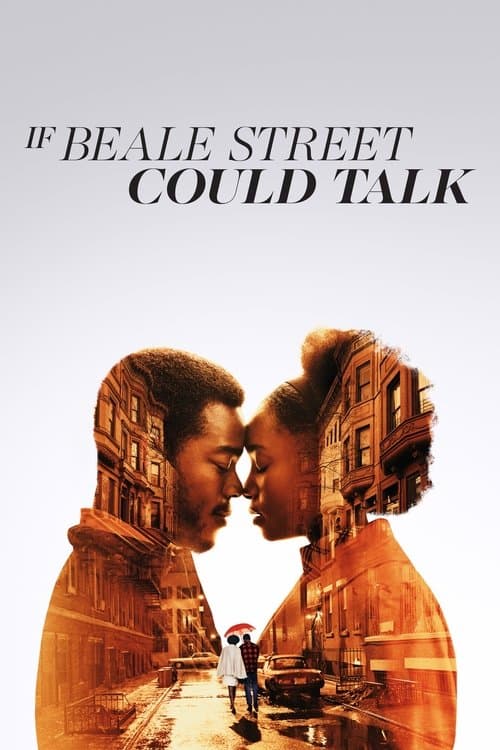
Tish, a young Black woman in 1970s Harlem, discovers she is pregnant just as her fiancé Fonny is falsely imprisoned for a rape he did not commit — and the film follows her family's desperate fight to free him before the baby arrives. Barry Jenkins' adaptation of James Baldwin is a love letter written against the carceral state.
If Beale Street Could Talk
Barry Jenkins · 2018