Crime · Drama · Science Fiction

A Clockwork Orange

Stanley Kubrick, 1971

A charming, extremely violent gang leader in a bleak future Britain is sent to prison, where the state conditions his behavior. He comes out as a new kind of monster. This is Kubrick's most gut-level, provocative film. It seduces you into enjoying what you watch, so you share the guilt.

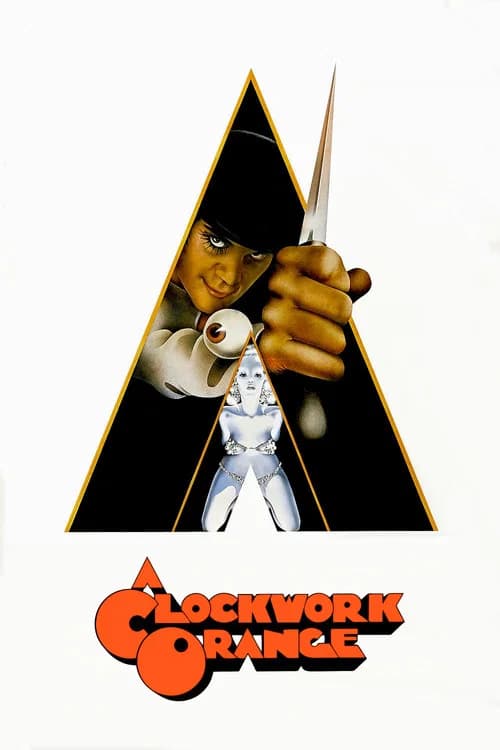
A Clockwork Orange (1971) poster

At a glance

A Clockwork Orange is a 1971 crime, drama and science fiction film directed by Stanley Kubrick. This breakdown covers 5 techniques (1 psychology, 2 sound, 1 narrative and 1 cinematography), each with the scene where you can see it. If you like how it is made, Project Hail Mary uses several of the same techniques.

Psychology

Sympathy for the Villain

Inviting the audience to feel for a monstrous or wrongdoing figure. Pity, identification or shared intellect makes judging them harder.

How this film uses it

Alex narrates the film in a close, confiding tone, as if you were in on it with him. His intelligence, humor and charm are real. Kubrick makes him more engaging than his victims, then forces you to face what you've been enjoying. The horror lands on the audience, who have been finding him stylish.

Where to see it

The opening monologue. Alex greets the viewer like an old friend and pulls us into his point of view before we understand what we're agreeing to.

Sound

Constructed Sound Language

Inventing a consistent set of sounds for the film, sometimes a whole non-human language. Over time, you learn to read those sounds as clearly as the images.

How this film uses it

Nadsat is the invented slang from Burgess's novel, with words like 'droog', 'horrorshow' and 'ultraviolence'. Malcolm McDowell delivers it with the rhythm of natural speech. The slang is strange enough that you can't be sure what you're agreeing to when you laugh. Language itself becomes a weapon for pushing a way of thinking.

Where to see it

Alex's opening address: 'There was me, that is Alex, and my three droogs'. It sets the film's alien way of speaking before the first image.

Sound

Elegant Music Against Cruelty

Pairing refined, calm music with ugly or desperate actions. The politeness of the sound makes the behavior look stranger and sadder.

How this film uses it

'Singin' in the Rain' plays over a home invasion. Beethoven's Ninth plays over the war images in the Ludovico treatment. The music performs alongside the violence and makes no comment on it. That is, the act of making violence beautiful becomes the subject of the film's argument about art, violence and conditioning.

Where to see it

The home invasion. Alex dances and sings 'Singin' in the Rain' while beating the writer.

Narrative

Institutional Reconditioning

Following a character reshaped by a prison or state system that retrains their beliefs and behavior, for good or ill.

How this film uses it

The Ludovico Technique is the backbone of the film. Kubrick gives equal screen time to Alex's original violence and to the state's response to it. He asks whether goodness that is forced on you is worse than evil you choose freely. The ending deliberately refuses to answer.

Where to see it

The Ludovico sequence. Alex is strapped to a chair with his eyes clamped open and forced to watch violence while drugs make him nauseous.

Cinematography

Overhead Composition

Shooting straight down on a scene from above. The view flattens the space into shapes, makes people look small and can feel like a god or security camera watching.

How this film uses it

Kubrick cuts to shots from directly overhead when Alex has power, like the gang fight staged from above as theater. He does the same when Alex is powerless, like the Ludovico chair seen from above as if it were a sacrifice. The shot puts attacker and victim on the same level. From up there, both are removed from the normal human view where we judge right and wrong.

Where to see it

The gang fight on the stage. The overhead angle turns brutal combat into abstract choreography.

Questions

A Clockwork Orange: quick answers

What filmmaking techniques does A Clockwork Orange use?
CineCode breaks down 5 techniques in A Clockwork Orange (1971): Sympathy for the Villain, Constructed Sound Language, Elegant Music Against Cruelty, Institutional Reconditioning and Overhead Composition.
Who directed A Clockwork Orange?
Stanley Kubrick directed A Clockwork Orange, released in 1971. CineCode also covers Fear and Desire (1953), Killer's Kiss (1955), The Killing (1956), Paths of Glory (1957), Spartacus (1960), Lolita (1962).
What films are similar to A Clockwork Orange?
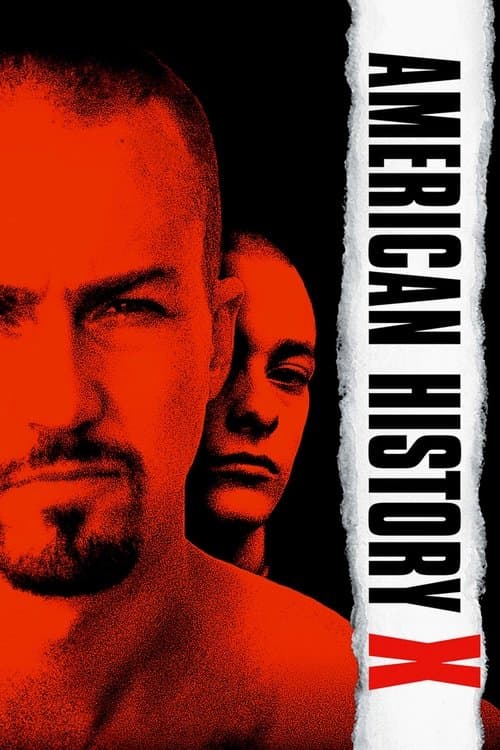
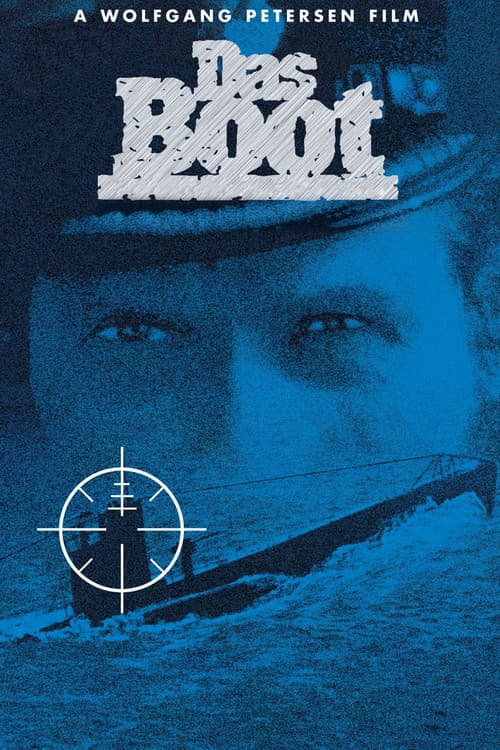
Films that share techniques with A Clockwork Orange include Project Hail Mary (2026), 28 Years Later: The Bone Temple (2026), American History X (1998), Das Boot (1981).