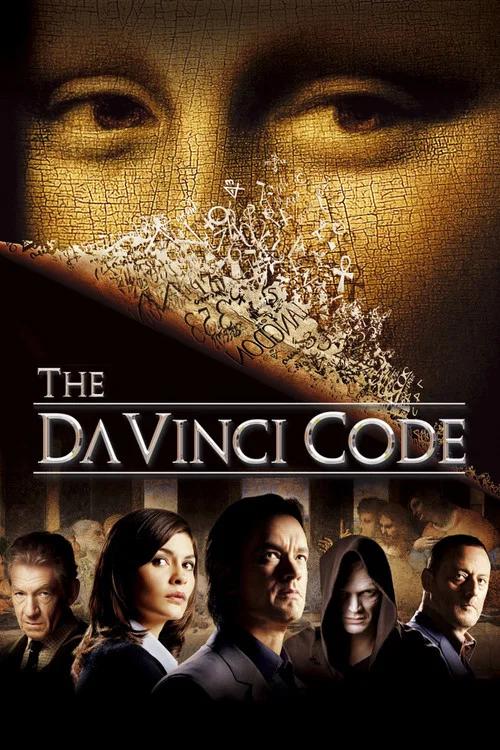
A Harvard symbologist is called to the Louvre after a curator is murdered, then becomes the main suspect. With the curator's granddaughter he follows a trail of riddles through Paris and London toward the Holy Grail. It is a chase made of puzzles, and Howard stages most of it as people talking and thinking.
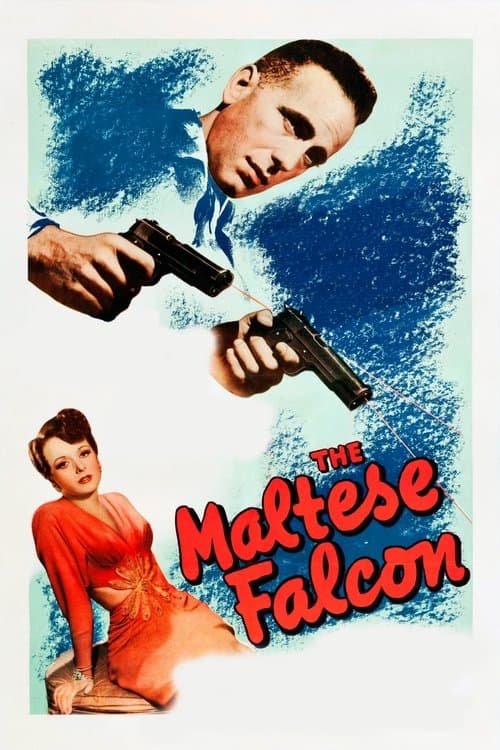
The Da Vinci Code is a 2006 mystery, thriller and adventure film directed by Ron Howard. This breakdown covers 5 techniques (3 narrative, 1 cinematography and 1 sound), each with the scene where you can see it. If you like how it is made, The Maltese Falcon uses several of the same techniques.
Saving a reveal for the climax that changes the meaning of every scene before it. You have to rebuild the whole film in your head with the new knowledge.
How this film uses it
Late in the film you learn that Sir Leigh Teabing, the friendly historian who helps the heroes, is the villain who has been guiding the hunt. His earlier kindness and his lectures on the Grail now look like a plan. You have to rewatch him in your head.
Where to see it
Teabing's unmasking. Langdon and Sophie find out that the man who has been helping them is the one behind the hunt for the cryptex.
Revealing character and motive through physical evidence and a detective's step-by-step reasoning, with no confessions or backstory dumps. You piece together the truth alongside the investigator.
How this film uses it
Langdon reads clues the way a detective reads a crime scene. He works out a code from a numbered sequence and explains each step as he goes. You get to solve the riddle with him instead of being handed the answer.
Where to see it
The safe deposit box. Langdon and Sophie use a Fibonacci sequence to open the box Saunière left behind.
Giving the characters an object, secret or goal that everyone chases. What it actually is barely matters, because its job is to set the characters against each other.
How this film uses it
Everyone wants the Holy Grail, and the film never has to show you a cup. What matters is that the Grail sets the heroes, the police and the secret societies against each other. The chase is the story.
Where to see it
The hunt for the keystone. Langdon follows the clues from the Louvre to a cryptex and on to Rosslyn Chapel.
Filming in recognizable real places so the setting acts like part of the cast. Streets, buildings and landscapes shape the mood of the story.
How this film uses it
The film shoots in real landmarks. The Louvre allowed filming, and Rosslyn Chapel in Scotland closes the story. The real stone carvings and old buildings make a made-up legend feel as if it could be true.
Where to see it
Rosslyn Chapel. The trail ends in the Scottish chapel, where Sophie learns who she really is.
Letting a particular composer's or musician's style define the film's sound. The music has a recognizable voice that shapes mood and character.
How this film uses it
Hans Zimmer wrote the score, and it relies on strings and choir to give the puzzle-solving an air of religious mystery. Scenes of people talking in rooms feel like something dangerous is about to happen.
Where to see it
The Rosslyn Chapel finale. The characters reach the chapel at the end of the trail, and the score carries the final discovery.
Questions
The Da Vinci Code: quick answers
What filmmaking techniques does The Da Vinci Code use?
CineCode breaks down 5 techniques in The Da Vinci Code (2006): Retroactive Reframing Revelation, Forensic Inference Narration, The MacGuffin, Real Locations as Character and Composer Signature Score.
Who directed The Da Vinci Code?
Ron Howard directed The Da Vinci Code, released in 2006. CineCode also covers A Beautiful Mind (2001).
What films are similar to The Da Vinci Code?
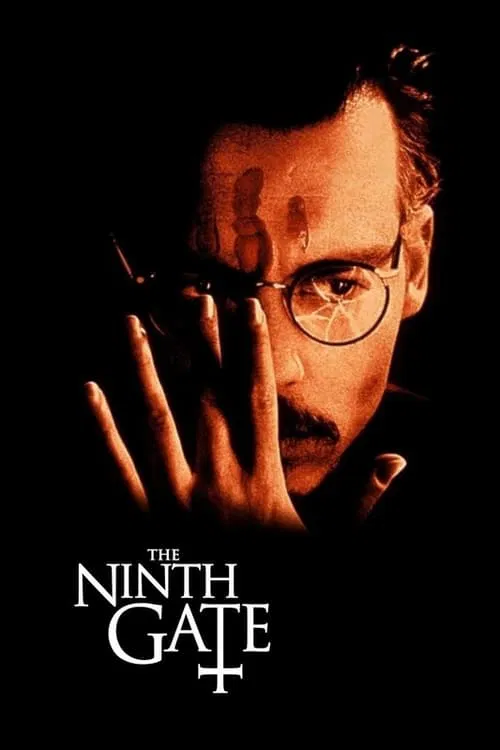
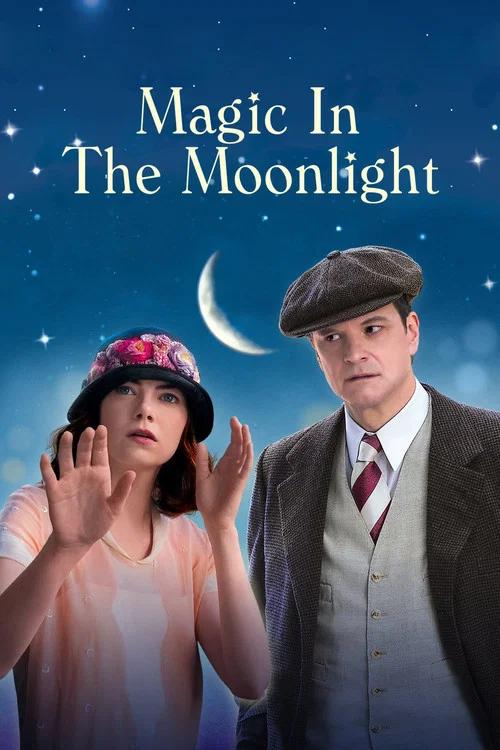
Films that share techniques with The Da Vinci Code include The Maltese Falcon (1941), The Ninth Gate (1999), Magic in the Moonlight (2014), Caught Stealing (2025).