A device that lets therapists enter their patients' dreams gets stolen. The line between dreams and reality starts dissolving across a city. The only one who can fix it is Paprika, a therapist's dream avatar. This is the final film Satoshi Kon completed, and it is a long look at how cinema and dreaming are related.
Paprika is a 2006 animation, science fiction and thriller film directed by Satoshi Kon. This breakdown covers 4 techniques (3 narrative and 1 editing), each with the scene where you can see it. If you like how it is made, Ghost in the Shell uses several of the same techniques.
Arranging scenes the way a dream moves, where one image leads to the next by feeling or association. Events don't follow normal cause and effect.
How this film uses it
Kon builds the dream sequences the way actual dreams work. Rooms lead to other rooms that couldn't be there, and characters transform in the middle of a scene. One thing follows another because of feeling, and cause and effect drop away. The film treats this dream logic as just as real as waking logic.
Where to see it
The parade sequence. A procession of toys, appliances and cultural objects marches through a dreamscape. In it, size, physics and identity keep changing.
Building the story around a character slowly finding out that their reality is constructed. The film uses this to ask how anyone can check that what they experience is real.
How this film uses it
Kon takes apart the border between dream and reality step by step, until you can't trust the film itself. It's a movie about movies and dreams. Its plot is about a dream device, and it suggests the cinema screen has been that device all along.
Where to see it
The moment the dream parade enters the waking world. The line between the 2 states dissolves. The film presents it as both a catastrophe and a revelation.
Using animation, for a whole film or for short sequences inside live action, to make emotions hit harder. Drawn images can show inner feelings that realistic footage can't reach.
How this film uses it
Kon uses animation to make the dream sequences more visually complex and emotionally intense than live action could manage. Animation can show impossible images. The waking sequences are drawn in a more limited way, so the dreams end up feeling more real than waking life.
Where to see it
Paprika's transformation sequences. The dream avatar moves through identities and sizes that only animation can show. I feel like the physical impossibility of her changes makes her more real.
Telling the story out of order by jumping between time periods. The order you see events in changes how you understand them.
How this film uses it
Kon moves freely between dreaming and waking and gives you no consistent visual signal for either. The editing leaves you unable to be sure which scenes are 'real'. By jumbling the order, the film acts out its own idea that the difference may not matter.
Where to see it
The shifts between the waking investigation and the dream sequences. The editing moves from one to the other with nothing to mark the change. You gradually lose track of which one you are in.
Questions
Paprika: quick answers
What filmmaking techniques does Paprika use?
CineCode breaks down 4 techniques in Paprika (2006): Dream Logic Structure, Reality Epistemology Theme, Animation as Emotional Amplifier and Non-Linear Narrative.
Who directed Paprika?
Satoshi Kon directed Paprika, released in 2006. CineCode also covers Perfect Blue (1997).
What films are similar to Paprika?
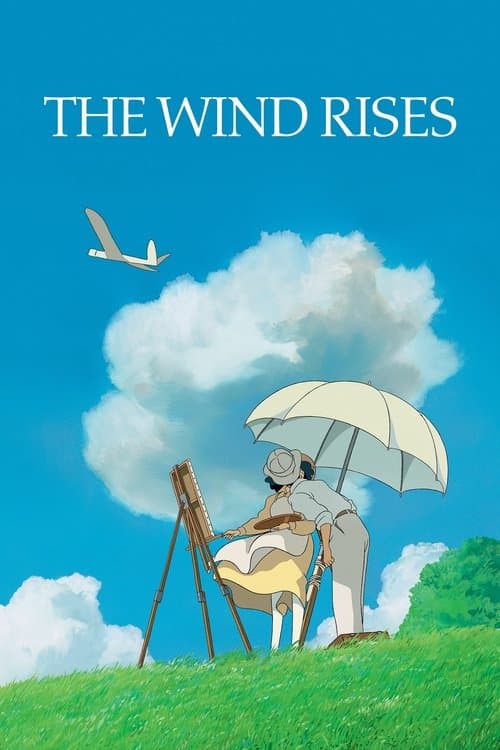
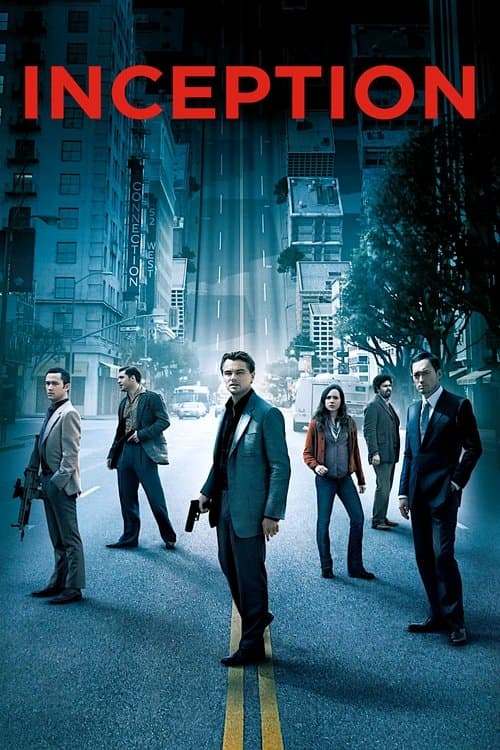
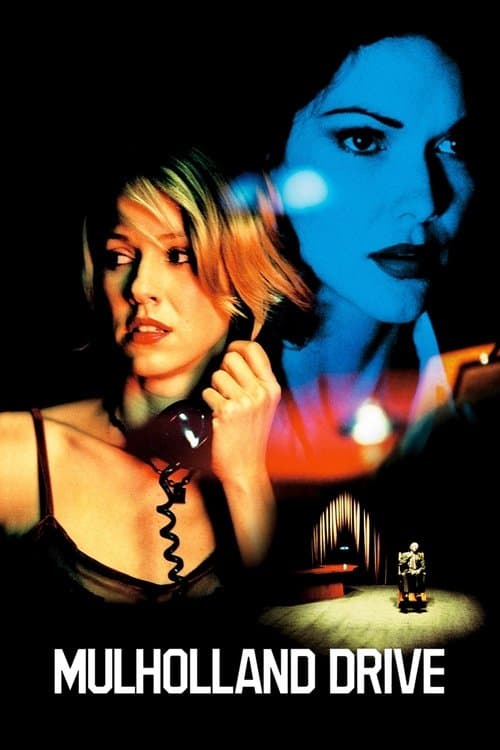
Films that share techniques with Paprika include Ghost in the Shell (1995), The Wind Rises (2013), Inception (2010), Mulholland Drive (2001).