Crime · Thriller

The Departed

Martin Scorsese, 2006

An undercover cop works his way into the Irish mob while the mob plants its own mole inside the police department. Both men race to identify each other before they get exposed. The 2 leads mirror each other all the way through. It's a crime film about identity and playing a role, and about how impossible it is to keep your hands clean.

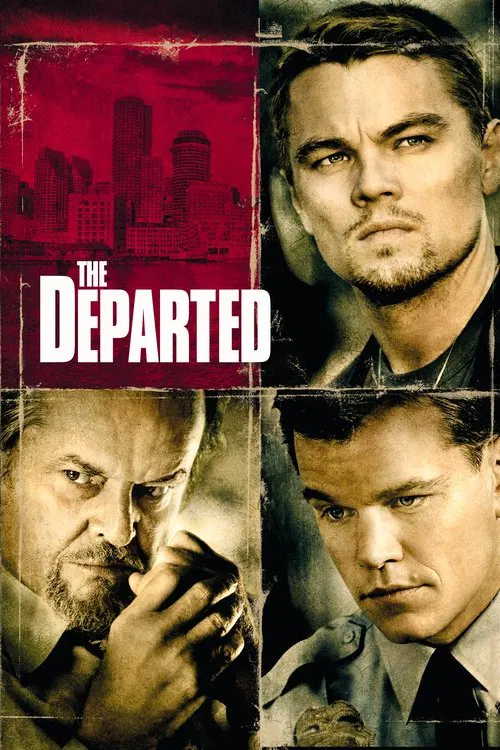
The Departed (2006) poster

At a glance

The Departed is a 2006 crime and thriller film directed by Martin Scorsese. This breakdown covers 4 techniques (1 narrative, 1 psychology, 1 sound and 1 cinematography), each with the scene where you can see it. If you like how it is made, Goodfellas uses several of the same techniques.

Narrative

Infiltration and Suspicion

Driving the plot with a hidden infiltrator or a suspected partner, so characters must test loyalty while trust and identity are constantly in doubt.

How this film uses it

Costigan is a cop pretending to be a criminal. Sullivan is a criminal pretending to be a cop. Anything in the plot that threatens one of them threatens the other. Scorsese cuts back and forth between them, so you end up watching 2 versions of the same trap closing.

Where to see it

The phone call after Queenan's death. Sullivan calls Costigan from a dead man's phone, and each is trying to work out who the other is.

Psychology

Performance Anxiety as Theme

Centering the film on a character who has to keep performing, on stage or under a false identity. They fear being exposed and slowly lose track of who they really are.

How this film uses it

Costigan and Sullivan are both acting a part every minute of the day, and the film tracks what that costs them. Costigan falls apart mentally. Sullivan becomes truly corrupt. The film asks which act does more damage: pretending to be evil, or pretending to be good.

Where to see it

Costigan's therapy sessions. This is the only place where he partly drops the act.

Sound

Pop Music Needle Drop

Playing an existing popular song at a precise moment in the film. The song's lyrics, era and associations add irony, period feel or emotion that an original score could not.

How this film uses it

'Gimme Shelter' opens the film over old news footage of Boston. Right away, it ties Scorsese's Boston to his New York (the same moral world in a different city). The song tells you this is a Scorsese film about how tempting criminal life is and what it costs. The Rolling Stones are pretty much his signature for that.

Where to see it

The opening sequence. 'Gimme Shelter' plays over Boston while Costello's monologue sets up the world.

Cinematography

Recurring Visual Motif

Repeating one shape or image, such as circles, an X or a fragile natural sight, throughout the film. Each return adds meaning and quietly signals themes or fate.

How this film uses it

Scorsese and production designer Kristi Zea hide X shapes all through the film (in tile patterns, window frames, parts of buildings). They show up near characters who are going to die. The idea echoes Howard Hawks's Scarface, and it rewards you for watching closely the second time.

Where to see it

Sullivan's office, where a lit X on the wall shows up during his call with Costello. An X of cross-beams also appears in the airport walkway during Costigan's call with Dignam.

Questions

The Departed: quick answers

What filmmaking techniques does The Departed use?
CineCode breaks down 4 techniques in The Departed (2006): Infiltration and Suspicion, Performance Anxiety as Theme, Pop Music Needle Drop and Recurring Visual Motif.
Who directed The Departed?
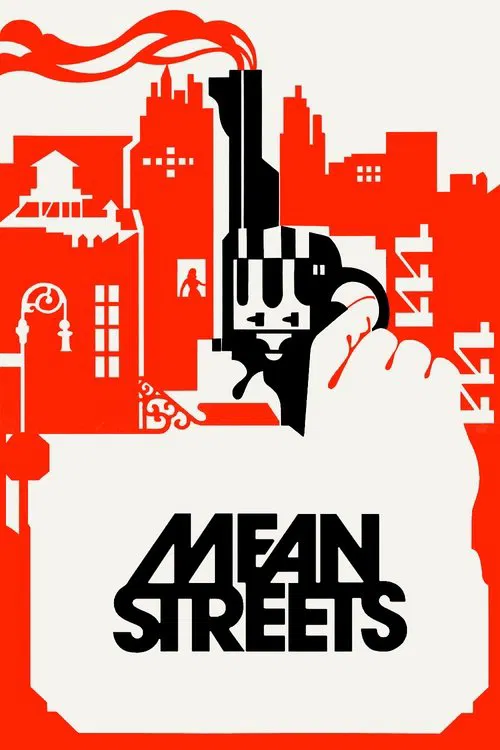
Martin Scorsese directed The Departed, released in 2006. CineCode also covers Mean Streets (1973), Alice Doesn't Live Here Anymore (1974), Taxi Driver (1976), New York, New York (1977), Raging Bull (1980), The King of Comedy (1982).
What films are similar to The Departed?
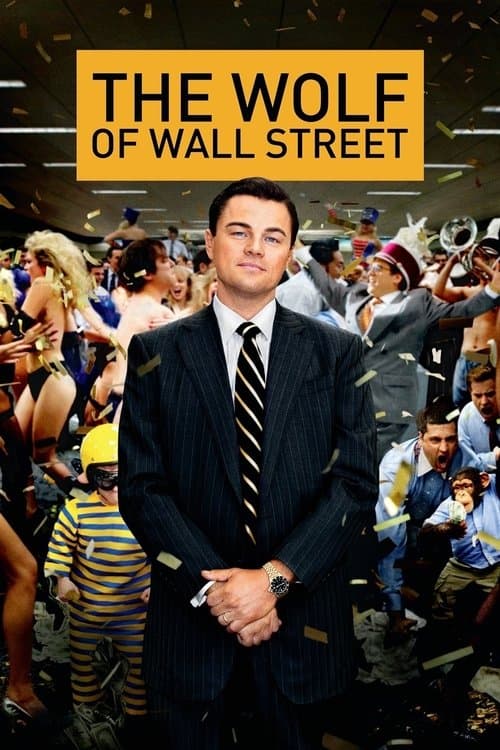
Films that share techniques with The Departed include Goodfellas (1990), The Lion King (1994), Grave of the Fireflies (1988), The Wolf of Wall Street (2013).