Mystery · Horror · Thriller

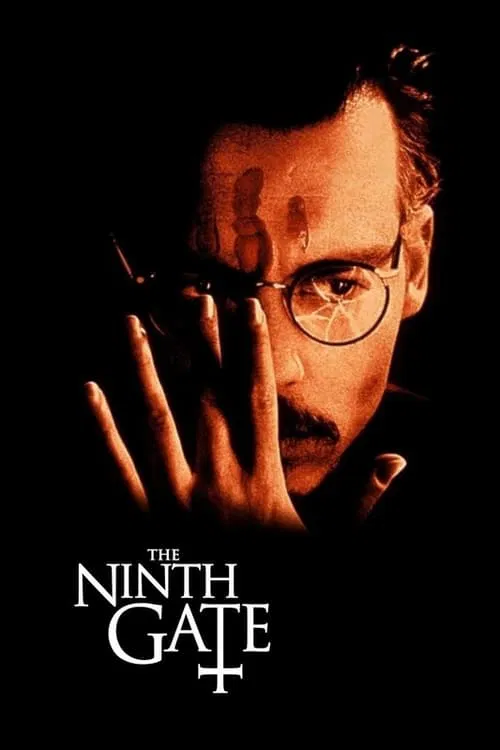
The Ninth Gate

Roman Polanski, 1999

Dean Corso, a New York rare book dealer, is hired to compare three copies of a 17th-century book said to summon the Devil. His search across Europe leaves a trail of dead collectors and a strange young woman who keeps turning up. Watch how Polanski turns a bookish hunt into a slow occult thriller.

The Ninth Gate (1999) poster

At a glance

The Ninth Gate is a 1999 mystery, horror and thriller film directed by Roman Polanski. This breakdown covers 5 techniques (3 narrative, 1 psychology and 1 cinematography), each with the scene where you can see it. If you like how it is made, Inception uses several of the same techniques.

Narrative

Forensic Inference Narration

Revealing character and motive through physical evidence and a detective's step-by-step reasoning, with no confessions or backstory dumps. You piece together the truth alongside the investigator.

How this film uses it

Corso works like a detective, comparing the book's nine engravings side by side. Some are signed AT and others LCF, and tiny differences set them apart. You solve the puzzle with him by looking at pictures, and no one has to explain it.

Where to see it

The Ceniza brothers' workshop in Toledo: The restorers show Corso that only six of the nine engravings are signed AT. The other three are signed LCF.
Narrative

Single POV Restriction

Limiting the film to what one character can see and know. The camera never goes where they couldn't be, so you share their blind spots and their vulnerability.

How this film uses it

Most scenes follow Corso, so you learn only what he learns. When the bodies start turning up, you find them right behind him and have no more idea who to trust than he does.

Where to see it

The hanged bookseller: Corso goes to collect the book he left with a bookseller and finds the man hanged in his store, in the way one of the engravings shows.

Narrative

The MacGuffin

Giving the characters an object, secret or goal that everyone chases. What it actually is barely matters, because its job is to set the characters against each other.

How this film uses it

Everyone wants the book, and the collectors are willing to kill for it. What the book actually says matters far less than how it pits Balkan, the widow Telfer and Corso against each other.

Where to see it

The Telfer manor ritual: Corso and Green Eyes track Liana to her family's manor, where a cult is using Balkan's copy in a rite until Balkan storms in and takes it back.

Psychology

Unreliable Reality

Keeping it unclear what is real and what is imagined in the film's world. You end up as unsure as the main character.

How this film uses it

Green Eyes turns up wherever Corso goes, and she seems to have powers that no ordinary person has. The film never says what she is. Some viewers read her as an angel, others as a devil, and others as just a lucky coincidence.

Where to see it

The Paris street: Corso is attacked outside Baroness Kessler's home and saved by Green Eyes, who shows what look like supernatural powers.

Cinematography

Lyrical Yearning Image

Pausing on a wordless dreamlike image, such as a distant look, a blinding light or falling snow. The picture alone tells you what a character longs for or accepts.

How this film uses it

The film ends without showing what is on the other side. The gates swing open and a bright light pours out. You are left with Corso's choice and your own guess about what he is walking into.

Where to see it

The final walk: Corso, now holding all nine true engravings, returns to the castle at dawn. The gates open on their own and a powerful light shines out as he steps through.

Questions

The Ninth Gate: quick answers

What filmmaking techniques does The Ninth Gate use?
CineCode breaks down 5 techniques in The Ninth Gate (1999): Forensic Inference Narration, Single POV Restriction, The MacGuffin, Unreliable Reality and Lyrical Yearning Image.
Who directed The Ninth Gate?
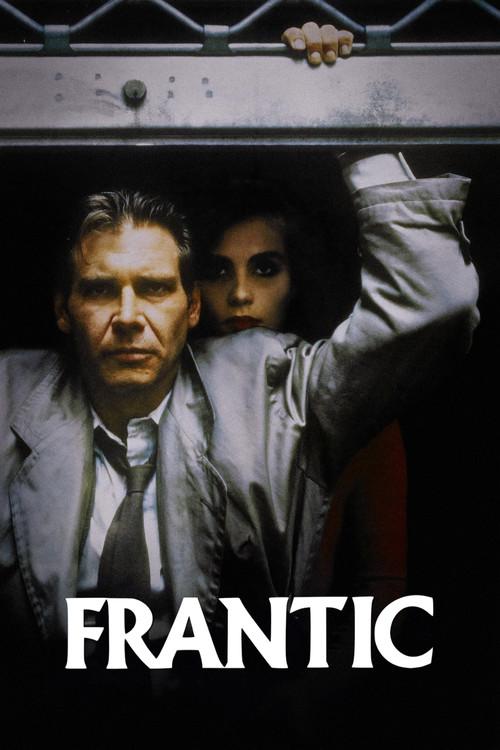
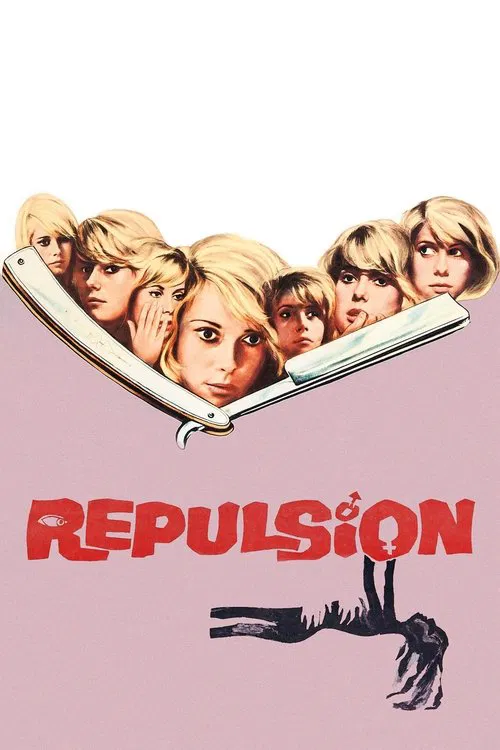
Roman Polanski directed The Ninth Gate, released in 1999. CineCode also covers Repulsion (1965), The Fearless Vampire Killers (1967), Rosemary's Baby (1968), Chinatown (1974), The Tenant (1976), Frantic (1988).
What films are similar to The Ninth Gate?
Films that share techniques with The Ninth Gate include Inception (2010), The Maltese Falcon (1941), The Beach (2000), Frantic (1988).