Animation · Comedy · Adventure

Fantastic Mr. Fox

Wes Anderson, 2009

Mr. Fox is a newspaper columnist who gave up his chicken-stealing past. He relapses into one last great heist against 3 neighboring farmers. That starts a war that forces the whole underground animal community to survive together. Wes Anderson adapted Roald Dahl's novel in stop-motion, using puppets moved frame by frame. It's about how being tame and being wild can't be made to fit together.

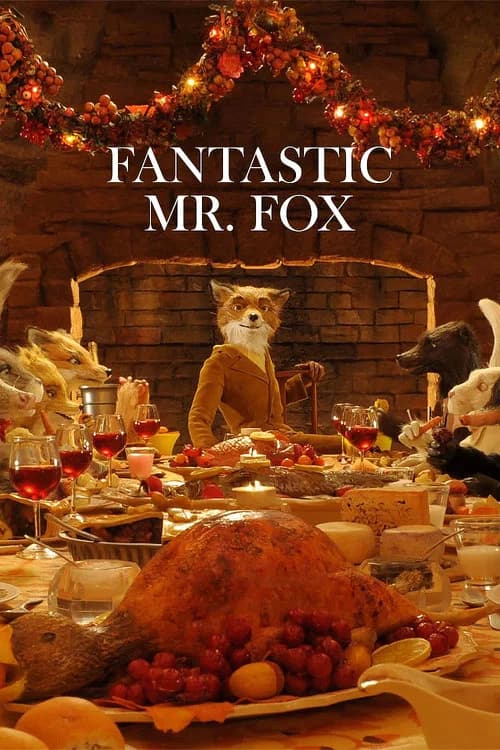
Fantastic Mr. Fox (2009) poster

At a glance

Fantastic Mr. Fox is a 2009 animation, comedy and adventure film directed by Wes Anderson. This breakdown covers 4 techniques (1 narrative, 2 cinematography and 1 editing), each with the scene where you can see it. If you like how it is made, Asteroid City uses several of the same techniques.

Narrative

Deadpan Absurdism

Showing extreme, violent or surreal events while the characters react as if nothing unusual is happening. That mismatch is funny and unsettling at the same time.

How this film uses it

Anderson presents the war between the foxes and the farmers as seriously as a conflict between nations, with maps, sieges and negotiations. The animals act out human-sized drama with total, straight-faced sincerity. That is where most of the film's comedy comes from.

Where to see it

The war council scene. Mr. Fox, Badger and the animals work out military strategy around a table as if they were planning a campaign. All that formal language gets applied to a fight about stolen chickens.

Cinematography

Set as Total World

Building a set so complete, with its own weather, crowds, architecture and social rules, that it feels lived in. It reads as real until one deliberate slip shows that it was built.

How this film uses it

Anderson and production designer Nelson Lowry built the entire Fox world in miniature. That covers every burrow room, every farmhouse window and every underground tunnel, with the textures of an actual place. Stop-motion gives you a level of control over the environment that live action can't.

Where to see it

The Fox family's burrow. Each room is decorated with the particular clutter of a space someone really lives in. The miniature furniture and details make the animals' home life feel real on its own, apart from the story.

Cinematography

Color Palette as Worldbuilding

Limiting the film to a tightly chosen set of colors, or giving each place or state its own set. The colors tell you about the world and its mood without dialogue.

How this film uses it

The film's autumn colors are amber, brown, rust and gold, and they make the English countryside one consistent world. The colors are warm enough to be inviting. They are also specific enough that it feels like a real landscape, which is fairly rare for an animated one.

Where to see it

The overhead shots of the Fox family running through the autumn countryside. The colors turn the English landscape into a storybook illustration, and it still feels like a real place.

Editing

Animation as Emotional Amplifier

Using animation, for a whole film or for short sequences inside live action, to make emotions hit harder. Drawn images can show inner feelings that realistic footage can't reach.

How this film uses it

Stop-motion always looks a little artificial, and Anderson uses that to create feeling. You can see the medium's imperfections, and they back up the story's idea that being wild and being imperfect are the same thing. The animals move in a slightly jerky way, which says something about the limits of taming them.

Where to see it

Mr. Fox's final speech about being what they are. The stop-motion faces can't reach the emotional range of human acting. That limit becomes the film's point about the gap between what we are and what we perform.

Questions

Fantastic Mr. Fox: quick answers

What filmmaking techniques does Fantastic Mr. Fox use?
CineCode breaks down 4 techniques in Fantastic Mr. Fox (2009): Deadpan Absurdism, Set as Total World, Color Palette as Worldbuilding and Animation as Emotional Amplifier.
Who directed Fantastic Mr. Fox?
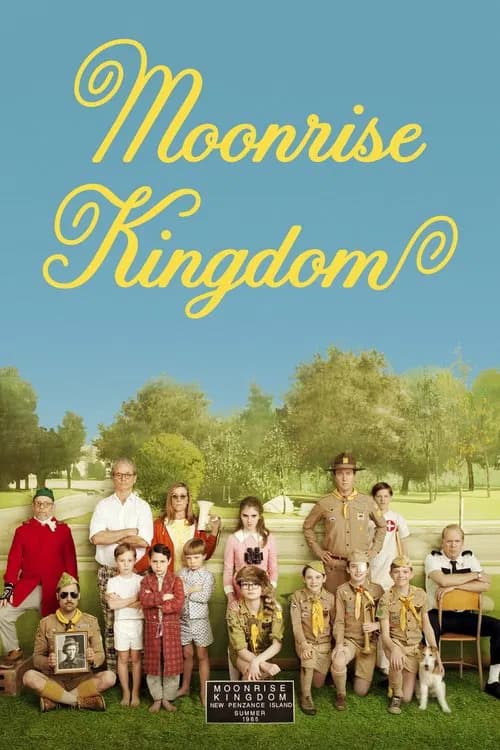
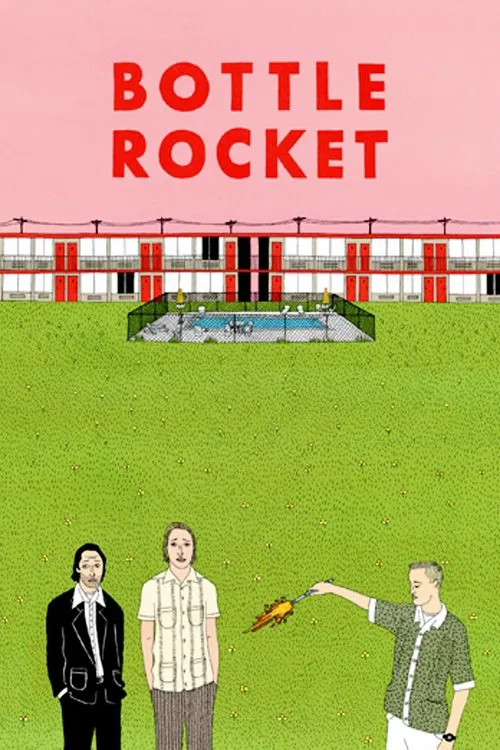
Wes Anderson directed Fantastic Mr. Fox, released in 2009. CineCode also covers Bottle Rocket (1996), Rushmore (1998), The Royal Tenenbaums (2001), The Life Aquatic with Steve Zissou (2004), The Darjeeling Limited (2007), Moonrise Kingdom (2012).
What films are similar to Fantastic Mr. Fox?
Films that share techniques with Fantastic Mr. Fox include Asteroid City (2023), Fargo (1996), Soul (2020), Moonrise Kingdom (2012).