Drama · History · Thriller

Polytechnique

Denis Villeneuve, 2009

This film recreates the 1989 shooting at the Polytechnique engineering school in Montreal, told through 2 students, Valérie and Jean-François. It covers the attack and the years of guilt and grief that follow. Watch how Villeneuve uses black and white and a broken timeline to handle a very painful subject with care.

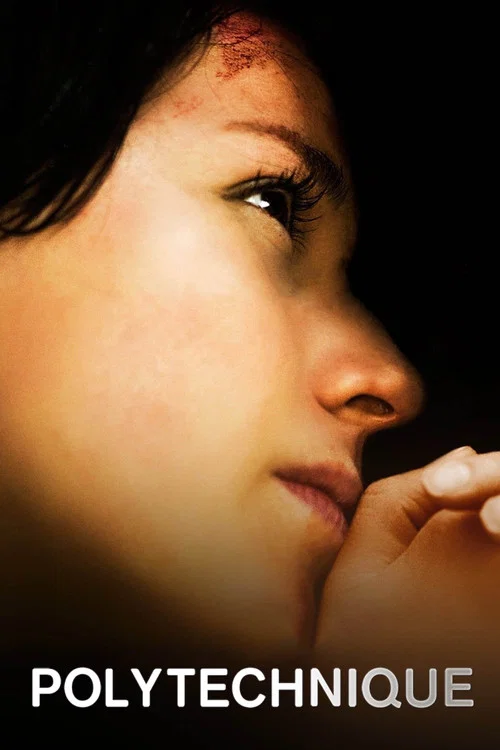
Polytechnique (2009) poster

At a glance

Polytechnique is a 2009 drama, history and thriller film directed by Denis Villeneuve. This breakdown covers 4 techniques (1 cinematography, 2 narrative and 1 psychology), each with the scene where you can see it. If you like how it is made, Eternals uses several of the same techniques.

Cinematography

Black-and-White as Moral Urgency

Choosing to shoot in black and white to take away the comfort and pleasure of color. The film feels more serious, and you watch as a witness.

How this film uses it

Villeneuve shot in black and white, with Pierre Gill as cinematographer. He has said the choice was partly to avoid showing blood on screen. The grey images remove any comfort from the violence, and you watch as a witness.

Where to see it

The classroom. The gunman orders the men out and keeps the women, then fires into the ceiling to show he is serious before he shoots them.

Narrative

Non-Linear Narrative

Telling the story out of order by jumping between time periods. The order you see events in changes how you understand them.

How this film uses it

The film does not tell its story in a straight line. It moves back and forth in time, so the attack and its aftermath inform each other. You learn what the day cost these people while you are still watching the day.

Where to see it

The cuts between the attack and what follows. The film returns to the school while also following Valérie and Jean-François through later years.

Psychology

Guilt as Hidden Motive

Letting a character's guilt over a past wrong shape what they do now. The wrong may come out late or only be hinted at, but it colors every choice.

How this film uses it

Jean-François was ordered out of the classroom, and he returns to the school trying to help. The film then shows how that day weighs on him afterward. His story ends in tragedy, while Valérie's years later point to a different path.

Where to see it

Jean-François after the attack. Consumed by guilt, he later takes his own life, while Valérie learns she is pregnant.

Narrative

Intimate Scale Tragedy

Telling a large historical tragedy through a small domestic or personal story, so the loss is felt through individual lives.

How this film uses it

Villeneuve follows 2 students, Valérie and Jean-François, through the attack and what comes after. Karine Vanasse, who plays Valérie, helped produce the film and spoke with victims' families while preparing. The approach keeps you with 2 people instead of the headlines.

Where to see it

Valérie playing dead. She and Stéphanie lie still while the gunman moves through the school, and Stéphanie later dies of her injuries.

Questions

Polytechnique: quick answers

What filmmaking techniques does Polytechnique use?
CineCode breaks down 4 techniques in Polytechnique (2009): Black-and-White as Moral Urgency, Non-Linear Narrative, Guilt as Hidden Motive and Intimate Scale Tragedy.
Who directed Polytechnique?
Denis Villeneuve directed Polytechnique, released in 2009. CineCode also covers Incendies (2010), Prisoners (2013), Enemy (2014), Sicario (2015), Arrival (2016), Blade Runner 2049 (2017).
What films are similar to Polytechnique?
Films that share techniques with Polytechnique include Eternals (2021), 21 Grams (2003), Inception (2010), Schindler's List (1993).