Science Fiction · Adventure · Action

Avatar

James Cameron, 2009

In 2154, a paralyzed former Marine named Jake Sully joins a mining operation on the moon Pandora, where he controls a blue native body called an avatar. He falls in love with a Na'vi warrior and has to pick a side when the company attacks her home. Watch how Cameron builds a whole world, down to its language.

Avatar (2009) poster

At a glance

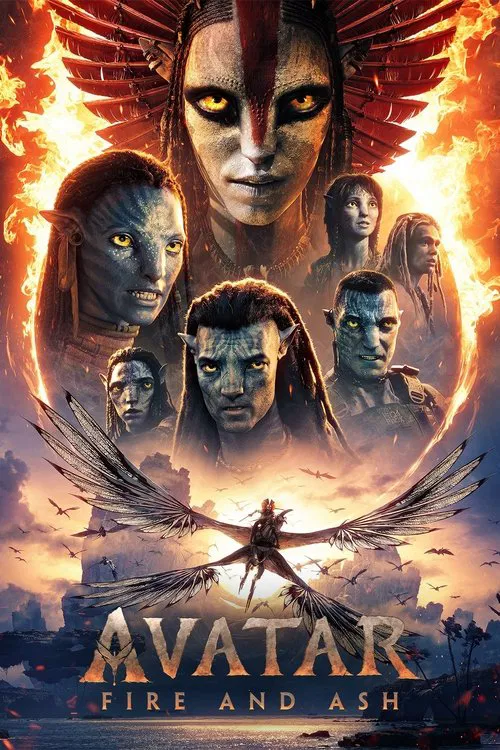
Avatar is a 2009 science fiction, adventure and action film directed by James Cameron. This breakdown covers 5 techniques (3 narrative, 1 cinematography and 1 sound), each with the scene where you can see it. If you like how it is made, Avatar: Fire and Ash uses several of the same techniques.

Narrative

Secondary World Construction

Building a fictional world with its own consistent rules, history, culture and visual detail. It feels like the world keeps going beyond what you see on screen.

How this film uses it

Pandora has its own animals, plants, clans and rules, and the Na'vi live inside them. The glowing forest and floating mountains keep going beyond the frame. You feel like you are learning a real place.

Where to see it

Jake's first trip into the forest: Jake explores Pandora through his avatar body and meets its creatures.

Narrative

Ecological Animism

Treating nature as alive and aware, with its own will, hierarchy and sacred status. Animals and spirits respond to people, which argues that the natural world has value of its own.

How this film uses it

The Na'vi treat the forest as alive and aware. Their sacred Hometree is a home and a living part of nature. When the mining company destroys it, the film treats the loss as a death.

Where to see it

The fall of Hometree: the company destroys the Na'vi's sacred Hometree.

Narrative

Character Arc Inversion

Taking a character to the opposite of where they started, such as from weak to strong or from decent to compromised. That reversal is what the film is about.

How this film uses it

Jake starts as a Marine sent to spy on the Na'vi for the company. He ends up leading them against his own side. His body changes too, since he is permanently moved into his avatar.

Where to see it

The final battle: Jake unites the clans against the company's forces, and Neytiri kills Colonel Quaritch.

Cinematography

Performance Capture

Recording an actor's body and face with sensors, then transferring the movement onto a digital character. The actor's subtle expressions carry over to a creature that does not exist.

How this film uses it

Actors wore sensors on their bodies and faces, and a virtual camera let Cameron frame the digital world like a live set. The blue Na'vi still move and look like the actors. You read their feelings from tiny expressions.

Where to see it

Jake and Neytiri's scenes: the Na'vi characters carry the movements and expressions of their performers.

Sound

Constructed Sound Language

Inventing a consistent set of sounds for the film, sometimes a whole non-human language. Over time, you learn to read those sounds as clearly as the images.

How this film uses it

The Na'vi speak an invented language with its own words and grammar. It was created for the film, and the sounds make the people feel like a real culture. Hearing it helps you stop thinking of them as actors in blue paint.

Where to see it

Neytiri teaches Jake: Neytiri speaks Na'vi to Jake and teaches him the phrase "I see you."

Questions

Avatar: quick answers

What filmmaking techniques does Avatar use?
CineCode breaks down 5 techniques in Avatar (2009): Secondary World Construction, Ecological Animism, Character Arc Inversion, Performance Capture and Constructed Sound Language.
Who directed Avatar?
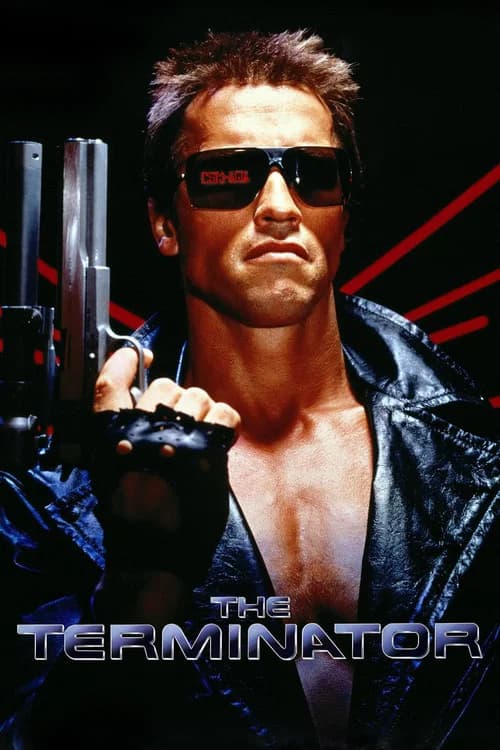
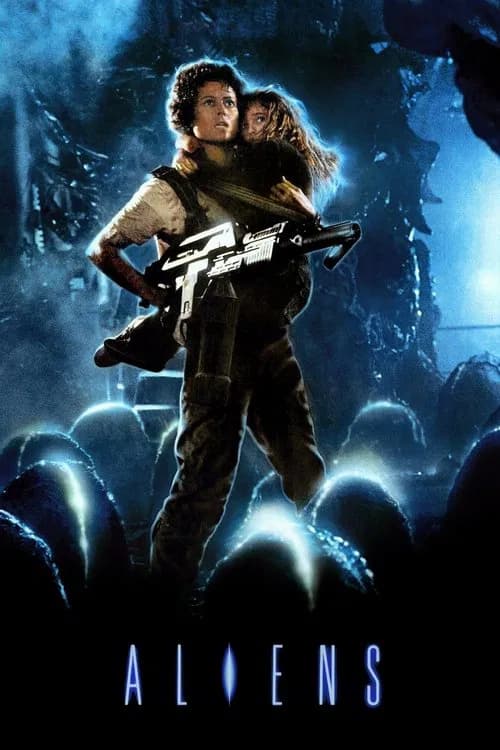
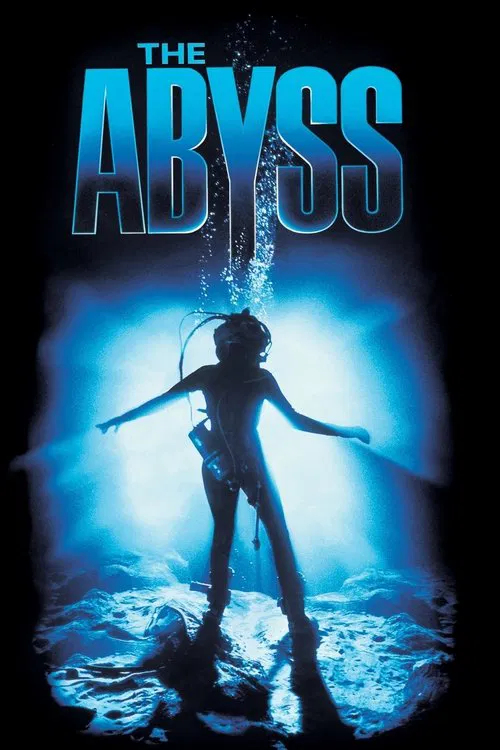
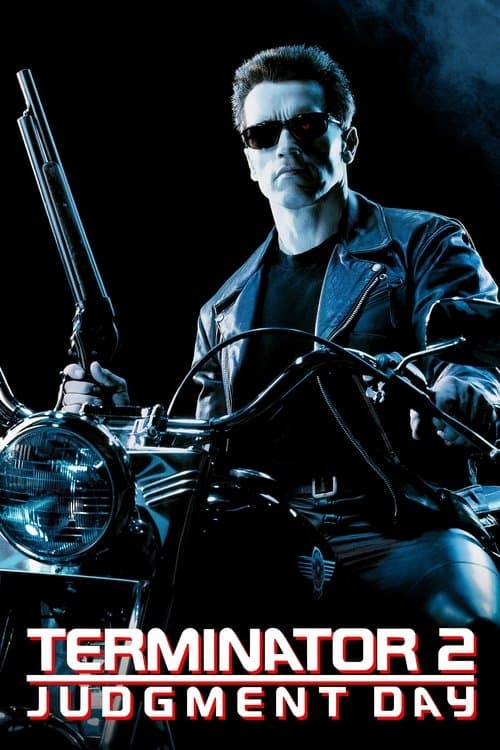
James Cameron directed Avatar, released in 2009. CineCode also covers The Terminator (1984), Aliens (1986), The Abyss (1989), Terminator 2: Judgment Day (1991), True Lies (1994), Titanic (1997).
What films are similar to Avatar?
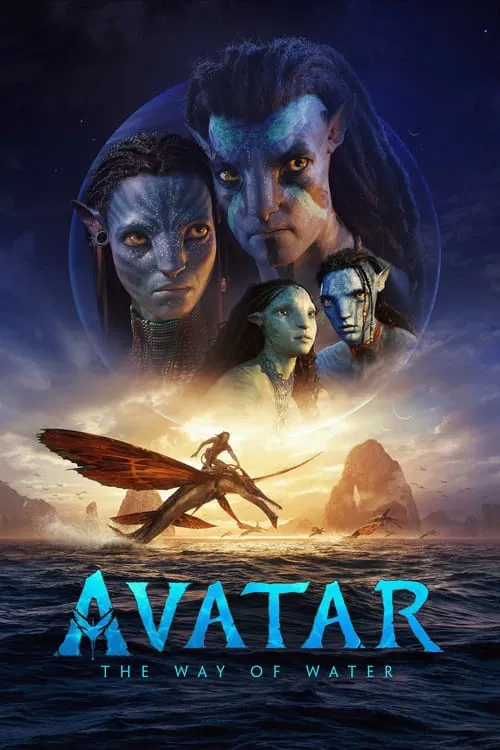
Films that share techniques with Avatar include Avatar: Fire and Ash (2025), Nausicaä of the Valley of the Wind (1984), Avatar: The Way of Water (2022), The BFG (2016).

Side by side

Compare it with