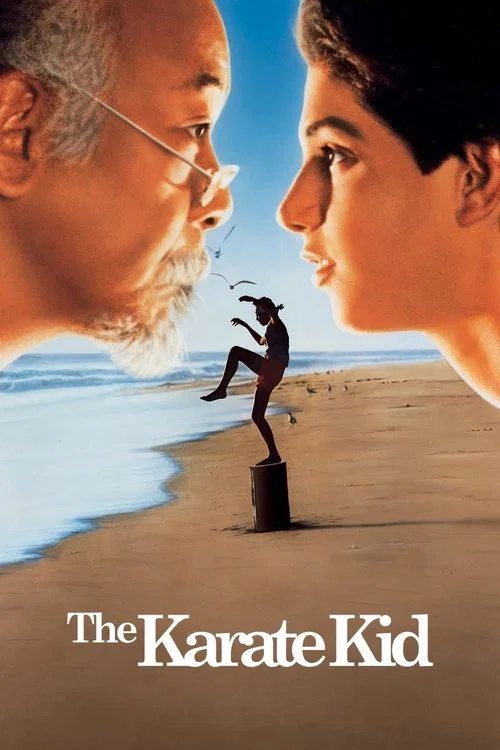
Daniel LaRusso, a teenager from New Jersey, moves to Los Angeles and gets beaten up by students from the Cobra Kai karate dojo. His apartment handyman, Mr. Miyagi, agrees to train him. It is a clean underdog story, and it teaches its lesson through chores.
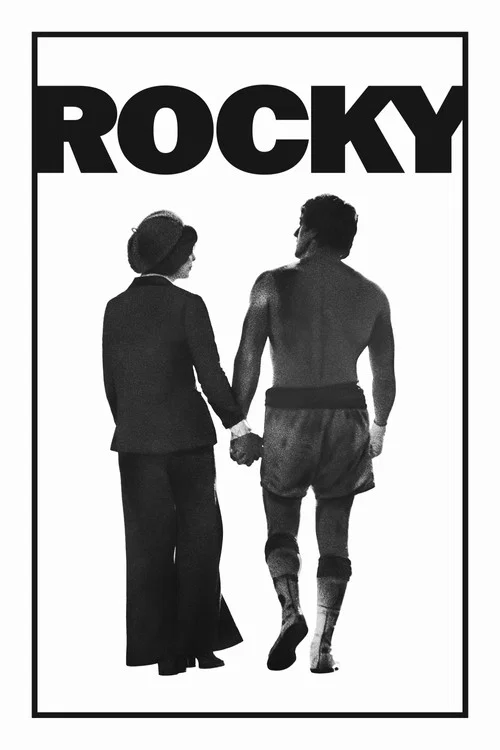
The Karate Kid is a 1984 drama, sport and action film directed by John G. Avildsen. This breakdown covers 4 techniques (1 editing, 1 psychology and 2 narrative), each with the scene where you can see it. If you like how it is made, Rocky uses several of the same techniques.
Squeezing a long period of training under a teacher into a short sequence of quick clips. You watch failed attempts turn into small wins, which makes the student's growth believable.
How this film uses it
Miyagi has Daniel wash and wax cars, sand a floor and paint a fence. Quick clips of repeated motion make days pass in a minute. Then Miyagi throws a punch, and Daniel blocks it with the same arm movements he used for the chores.
Where to see it
The chores. Daniel works on Miyagi's cars, floor and fence with the famous wax on, wax off motions, then finds he can block Miyagi's strikes.
Letting an unspoken loss quietly drive a character's choices, such as refusing a milestone. It comes out late and changes how you read their earlier behavior.
How this film uses it
Miyagi seems calm and a little funny. Later he tells Daniel that his wife and son died at the Manzanar internment camp while he served in World War II. That loss gives his patience with a lonely teenager a deeper reason.
Where to see it
Miyagi's confession. He tells Daniel about his wife and son and about his Medal of Honor service.
Building up to a big emotional release slowly, by investing in the characters and giving small bits of hope. When the release comes, it feels deserved after all the suffering.
How this film uses it
For most of the film Daniel loses. He is beaten at the dance, bullied and then hurt in the semifinal. Miyagi shows warmth in small bits, so when Daniel stands in the crane stance in the final, the win feels owed to him.
Where to see it
The final match. Daniel takes the crane stance and jumps into a front kick to Johnny's chin to win the title.
Building the whole third act around one game, so the score, the fouls and the crowd carry the suspense. Every play counts for something beyond the sport.
How this film uses it
The whole third act is the All-Valley tournament. Each round raises the stakes, and the illegal knee attack in the semifinal leaves Daniel limping into the final. The score is tied before the last move.
Where to see it
The semifinal. Bobby hurts Daniel's knee on Kreese's orders and is disqualified, and Daniel gets up to fight again.
Questions
The Karate Kid: quick answers
What filmmaking techniques does The Karate Kid use?
CineCode breaks down 4 techniques in The Karate Kid (1984): Mentor Training Montage, Grief as Hidden Motive, Earned Catharsis and Sports Match as Climax.
Who directed The Karate Kid?
John G. Avildsen directed The Karate Kid, released in 1984. CineCode also covers Rocky (1976).
What films are similar to The Karate Kid?
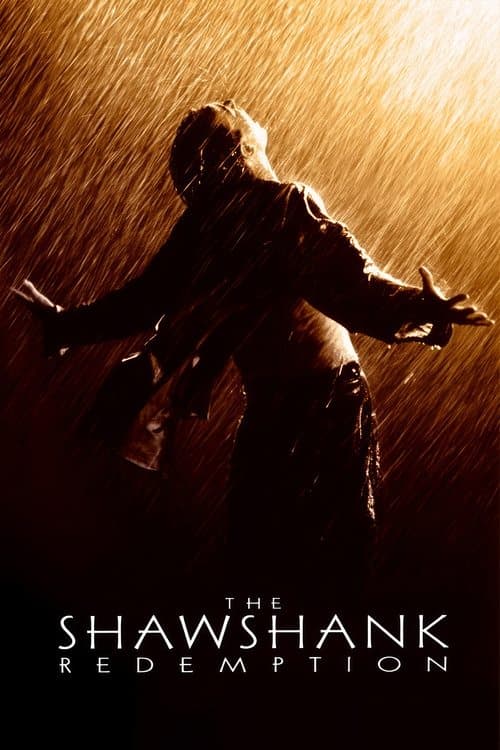
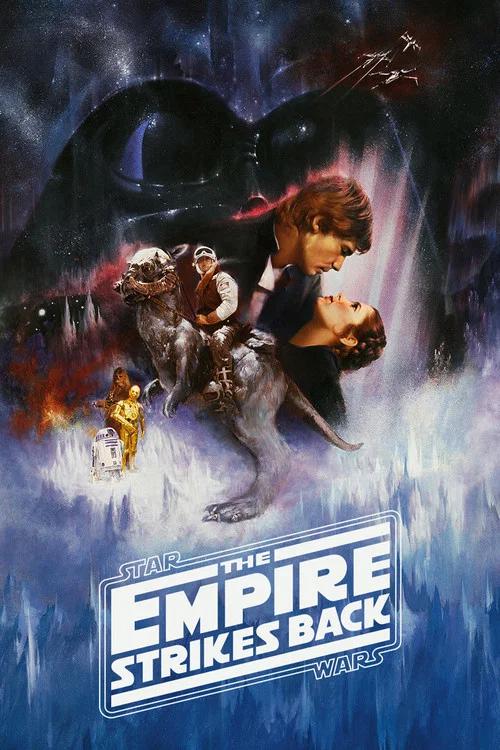
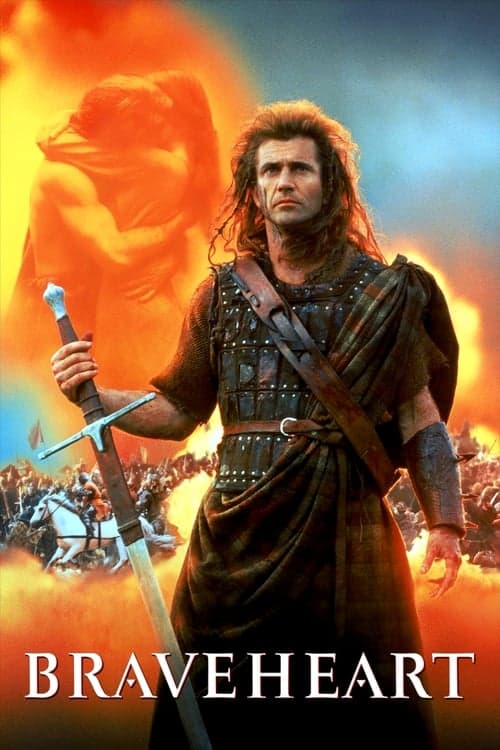
Films that share techniques with The Karate Kid include Rocky (1976), The Shawshank Redemption (1994), Star Wars: The Empire Strikes Back (1980), Braveheart (1995).