The Empire's assault on Hoth routs the Rebel Alliance. Luke trains with the Jedi master Yoda while his friends fall into Darth Vader's trap, which leads to a confrontation that upends everything you thought you knew. It's the darkest entry in the original trilogy and the most ambitious in its form.
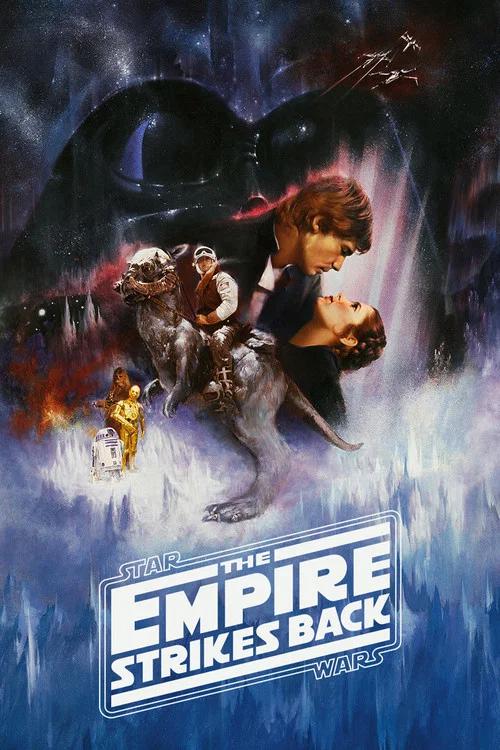
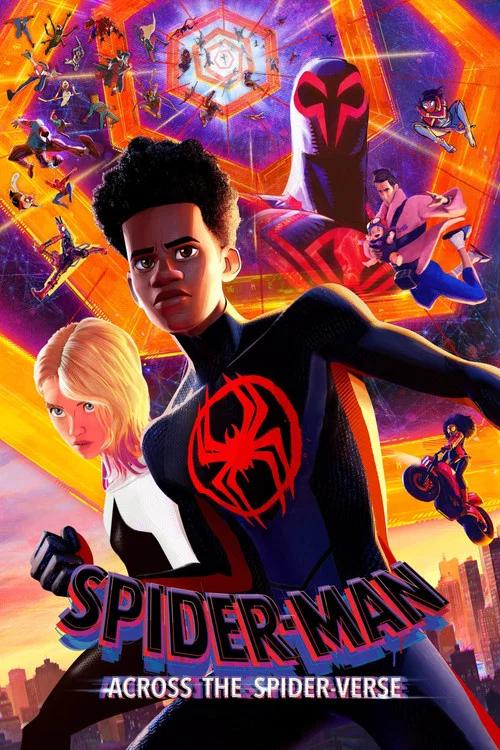
Star Wars: The Empire Strikes Back is a 1980 action, adventure and science fiction film directed by Irvin Kershner. This breakdown covers 5 techniques (2 narrative, 1 cinematography, 1 editing and 1 sound), each with the scene where you can see it. If you like how it is made, Spider-Man: Across the Spider-Verse uses several of the same techniques.
Saving a reveal for the climax that changes the meaning of every scene before it. You have to rebuild the whole film in your head with the new knowledge.
How this film uses it
'I am your father' is the most successful plot revelation in blockbuster cinema. It changes how you see every scene in the first film and every scene in this one. Kershner saves it for the climax, at the end of Luke's duel with Vader. He shoots it in close-up and trusts the revelation to do all the work.
Where to see it
The end of the duel, on the gantry above the reactor shaft. Vader makes his revelation to Luke after cutting off his hand.
Designing each location with its own colors, textures and weather or atmosphere. Moving from one place to another feels like stepping into a different emotional climate.
How this film uses it
Each location is a complete visual world of its own: Hoth's ice blue and white, Dagobah's mossy green rot, Cloud City's clean white modernism. Norman Reynolds's production design, Ralph McQuarrie's concept art and director of photography Peter Suschitzky make sure each world feels as different from the others as different planets should.
Where to see it
The abrupt cut from Hoth's cold blue to Dagobah's swamp green. They are 2 completely different worlds in look and in mood.
Squeezing a long period of training under a teacher into a short sequence of quick clips. You watch failed attempts turn into small wins, which makes the student's growth believable.
How this film uses it
Luke's training with Yoda is shown as a series of exercises that he gets better and better at. Each failure and small success builds toward the Force lift. The montage lets the film show Luke developing without dramatizing every lesson. It trusts the build-up of moments to get his growth across.
Where to see it
Luke's Dagobah training sequences. They lead to the Force vision cave.
Repeating a short piece of music or a sound every time a certain character, idea or feeling comes up. You learn to connect the 2.
How this film uses it
John Williams composed The Imperial March for this film, and from its first appearance, it is the sound of Vader's authority. The march arrives ahead of Vader and announces him, so his presence fills a space through sound before he enters it.
Where to see it
The Imperial fleet's first appearance. The March plays before Vader's first scene.
Ending the film at its most unresolved point, with the hero beaten, separated from others or in crisis. You are left waiting for a sequel to settle things.
How this film uses it
The Empire ends with Han frozen, Luke's hand replaced by a prosthetic and the Rebel fleet scattered. There is no victory and nothing is restored. It's the rare blockbuster ending that works entirely as an open question, with nothing resolved and everything worse.
Where to see it
The final shot. Luke and Leia watch the stars while the Rebel fleet regroups in defeat.
Questions
Star Wars: The Empire Strikes Back: quick answers
What filmmaking techniques does Star Wars: The Empire Strikes Back use?
CineCode breaks down 5 techniques in Star Wars: The Empire Strikes Back (1980): Retroactive Reframing Revelation, World as Visual Biome, Mentor Training Montage, Leitmotif and Cliffhanger Ending.
Who directed Star Wars: The Empire Strikes Back?
Irvin Kershner directed Star Wars: The Empire Strikes Back, released in 1980.
What films are similar to Star Wars: The Empire Strikes Back?
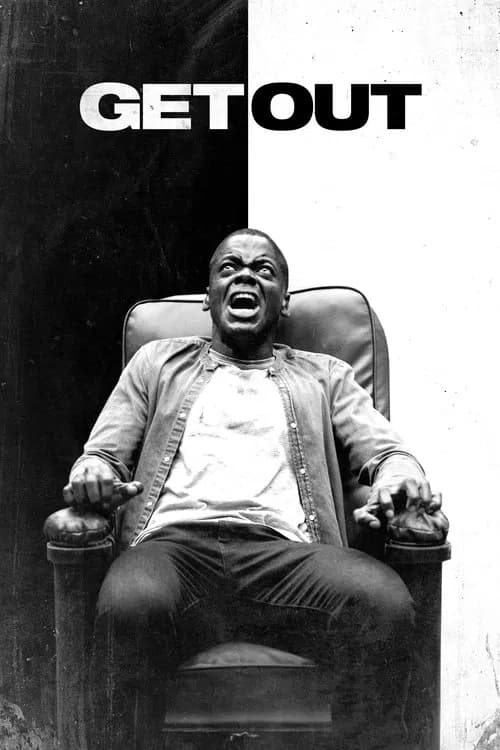
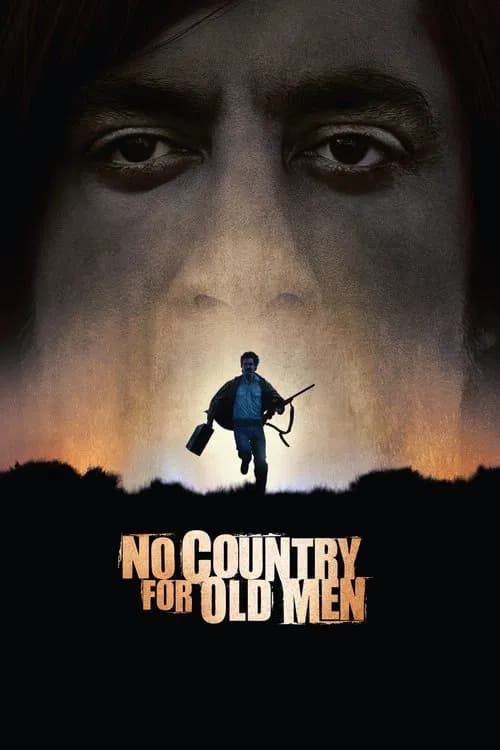
Films that share techniques with Star Wars: The Empire Strikes Back include Spider-Man: Across the Spider-Verse (2023), Get Out (2017), Black Swan (2010), No Country for Old Men (2007).