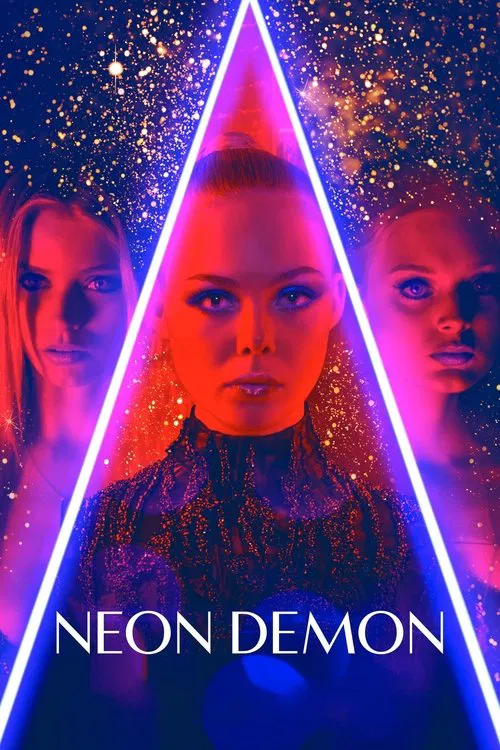
Sixteen-year-old Jesse moves to Los Angeles to become a model, and the fashion world instantly obsesses over her. Older models resent her. Refn's film starts as a fashion drama and turns into horror, with glowing colors, thumping synths and a final act that will make you look away.
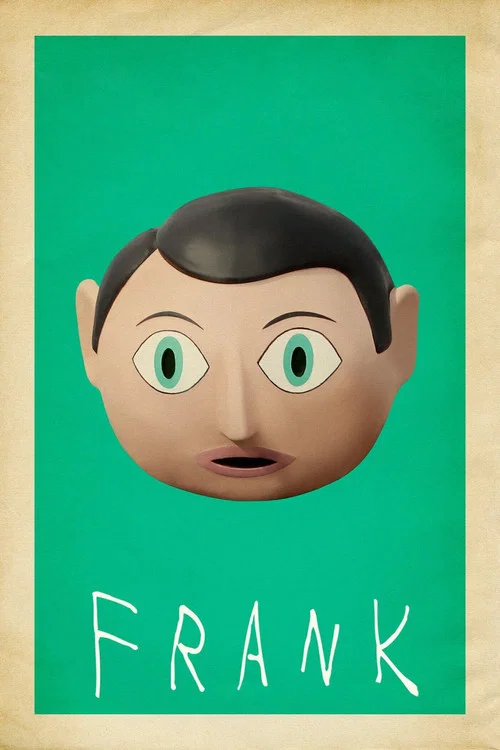
The Neon Demon is a 2016 horror and thriller film directed by Nicolas Winding Refn. This breakdown covers 5 techniques (1 narrative, 1 sound, 1 cinematography and 2 psychology), each with the scene where you can see it. If you like how it is made, Frank uses several of the same techniques.
Giving a film 2 very different tones, such as comedy and tragedy, often split into halves. Each makes the other hit harder, and the film never blends them into 1.
How this film uses it
The first half plays like a glossy drama about a girl making it in modeling. The second half turns into horror. Composer Cliff Martinez has said the first half feels like a melodrama and the second half like a horror film. The change makes the glamour feel like a trap.
Where to see it
The turn at Ruby's house. After the fashion show and a night of terror at her motel, Jesse goes to Ruby's home, where Ruby, Gigi and Sarah attack her and the film becomes a horror story.
Scoring with synthesizers, club beats or electronic instruments. The texture can suggest a period, a mood or a character's inner state.
How this film uses it
Martinez wrote a sparse electronic score, and he and Refn pointed to synth artists such as Giorgio Moroder and Tangerine Dream. The cold, pulsing sounds make the fashion world feel clean, artificial and a little dangerous.
Where to see it
The runway visions. Jesse walks through the show while the synth score pulses and triangles flash on the screen.
Repeating one shape or image, such as circles, an X or a fragile natural sight, throughout the film. Each return adds meaning and quietly signals themes or fate.
How this film uses it
Triangles come back again and again. At the fashion show, Jesse sees glowing triangle shapes and her own reflections. The shape starts to feel like a symbol of beauty and the way it traps people.
Where to see it
The fashion show. Jesse has a hallucination of triangles and mirror images and begins to take on a more self-centered attitude.
Showing a character's sense of self being built, borrowed or stripped away by pressure, roles or the group. Who they are shifts with what they wear, say or join.
How this film uses it
Jesse arrives as a plain teenager and slowly takes on the cold confidence of the models around her. The film shows a self being built out of other people's attention. By the end, nothing of the original girl is left.
Where to see it
After the fashion show. Jesse acts self-centered at the bar, and Dean finds it unpleasant and tries to leave without her.
Showing the human body being changed, damaged or falling apart. The horror works because you imagine it happening to your own body, and it often stands for mental suffering.
How this film uses it
The last act turns beauty into something eaten. The older women attack Jesse and take what they think she has. Later one of them vomits an eyeball, and another kills herself in horror. The film makes jealousy literally physical.
Where to see it
The climax. Ruby, Gigi and Sarah kill Jesse and feed on her body, and Gigi later vomits one of her eyes.
Questions
The Neon Demon: quick answers
What filmmaking techniques does The Neon Demon use?
CineCode breaks down 5 techniques in The Neon Demon (2016): Tonal Bifurcation, Electronic Score, Recurring Visual Motif, Identity Construction and Loss and Body Horror.
Who directed The Neon Demon?
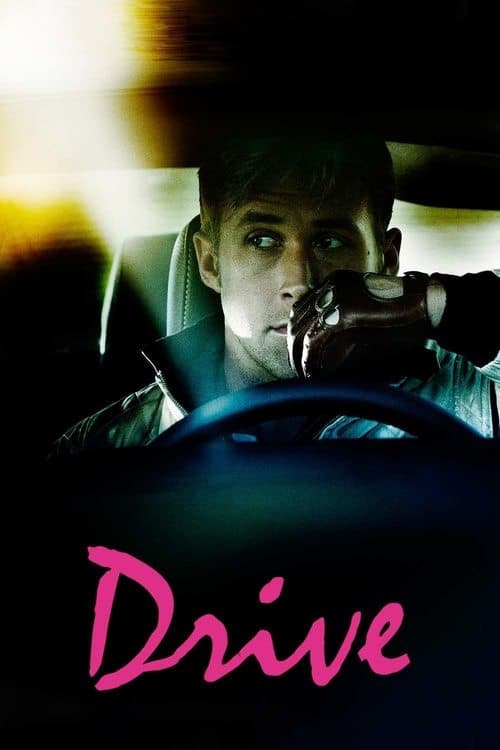
Nicolas Winding Refn directed The Neon Demon, released in 2016. CineCode also covers Drive (2011).
What films are similar to The Neon Demon?
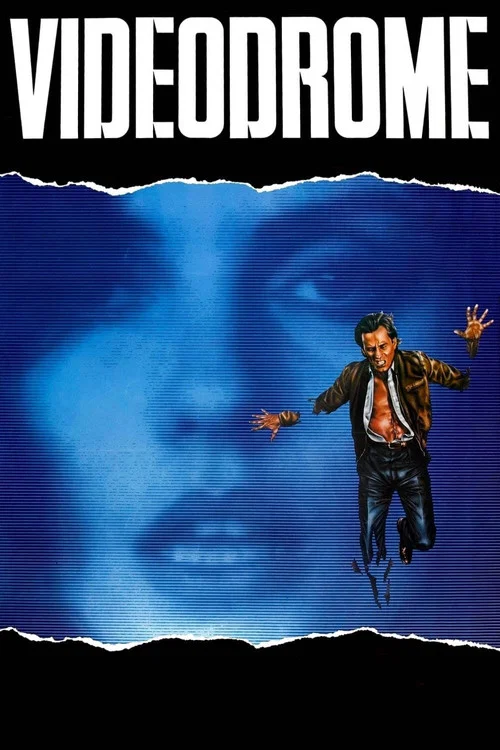
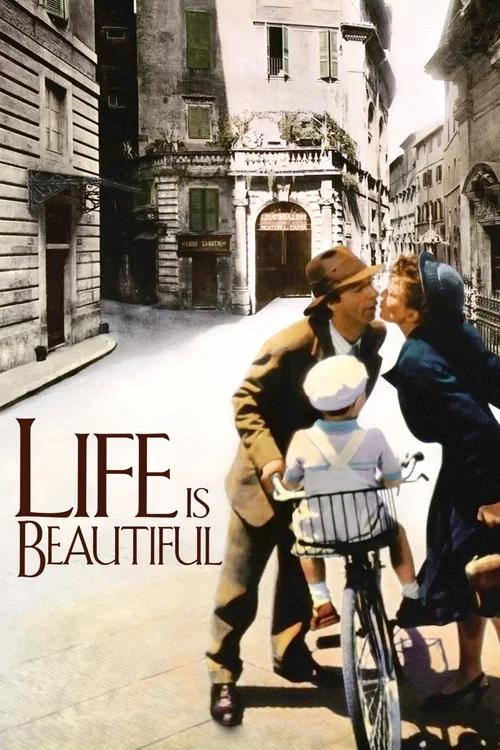
Films that share techniques with The Neon Demon include Frank (2014), Videodrome (1983), Black Swan (2010), Life is Beautiful (1997).