Narrative technique · used in 25 films

Tonal Bifurcation

Giving a film 2 very different tones, such as comedy and tragedy, often split into halves. Each makes the other hit harder, and the film never blends them into 1.

Examples

25 films that use it

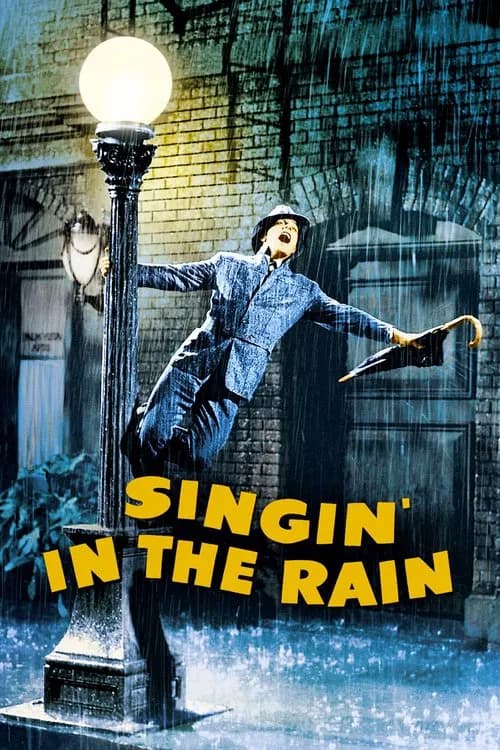
  1. Singin' in the Rain (1952) poster

    Singin' in the Rain

    Stanley Donen, Gene Kelly · 1952

    The film's criticism of Hollywood is sharp and accurate, and its musical sequences are glorious. Donen and Kelly never let the satire make the joy feel ironic. They never let the joy make the satire feel toothless either. The 'Singin' in the Rain' sequence is plainly joyful and the Lina scenes are plainly cutting. Keeping both intact is the film's achievement.

    Where to see it: The title sequence. Don is simply happy in the rain. The satire stops for a moment so the musical's most famous stretch of sincere pleasure can happen.
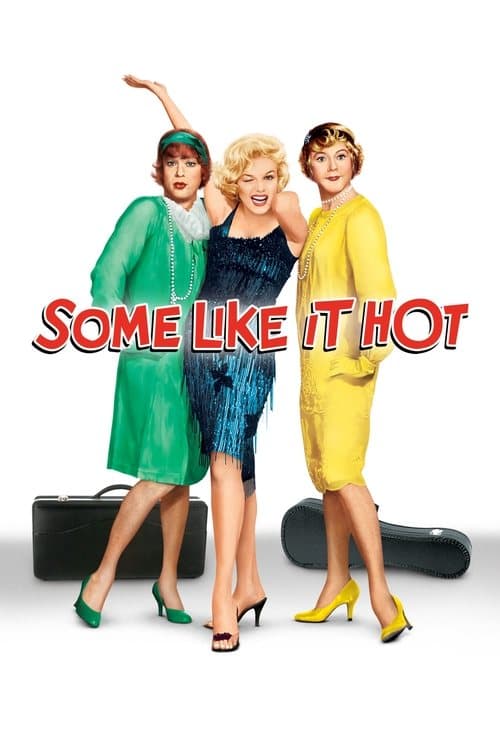
  2. Some Like It Hot (1959) poster

    Some Like It Hot

    Billy Wilder · 1959

    The mob is dangerous for real. The St. Valentine's Day massacre is filmed as brutal, and the gangsters can and will kill Jerry and Joe. Wilder keeps this threat alive while building one of cinema's great comedies. The comedy never makes the danger go away. As a matter of fact, the danger is what gives the comedy its stakes and its urgency.

    Where to see it: The gangsters at the hotel. Real menace gets dropped into the comic world and the film doesn't soften it, so the farce has real stakes.

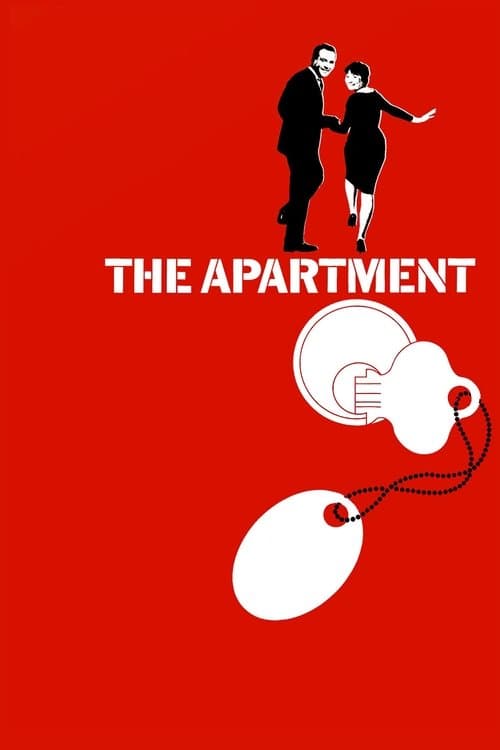
  3. The Apartment (1960) poster

    The Apartment

    Billy Wilder · 1960

    The film runs as a broad romantic comedy, with pratfalls, mistaken identities and the charm of Jack Lemmon. At the same time, it's a film about loneliness, exploitation and a woman's attempted suicide. Wilder never resolves the tension. The comedy and the tragedy need each other.

    Where to see it: Fran's overdose and Baxter's response. The tone shifts from comedy to real crisis within a single sequence, and neither tone cancels the other.

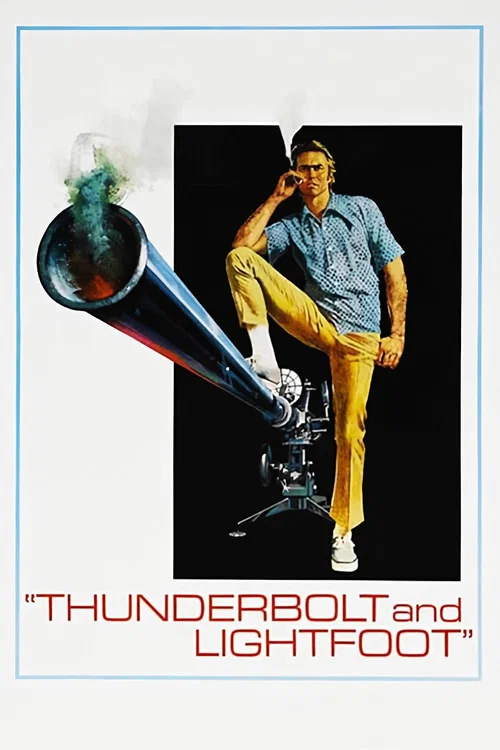
  4. Thunderbolt and Lightfoot (1974) poster

    Thunderbolt and Lightfoot

    Michael Cimino · 1974

    The film starts as a funny buddy caper, with a heist using a cannon and a sneeze from the trunk of a car. Then it turns brutal when Red beats the pair and takes the money. The shift makes the final loss hit hard.

    Where to see it: The second half. Red beats Thunderbolt and Lightfoot unconscious and takes the loot.

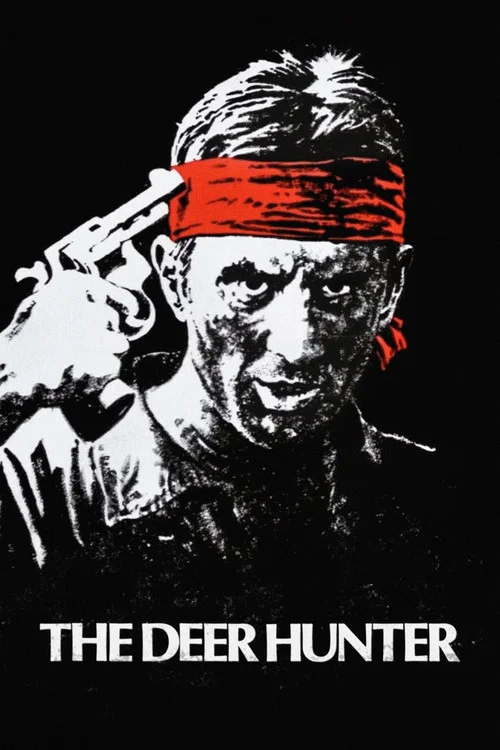
  5. The Deer Hunter (1978) poster

    The Deer Hunter

    Michael Cimino · 1978

    The first act is warm, communal and full of celebration. The second act is terror that doesn't let up, and the third is grief and feeling out of place. Cimino doesn't soften the jumps between these moods. The shift to Vietnam is sudden and total, so the warmth of the first act feels like something you have lost too.

    Where to see it: The cut from the bar after the last hunting trip to Vietnam. Nothing eases you from one to the other. The war's violence replaces the community's warmth without warning.

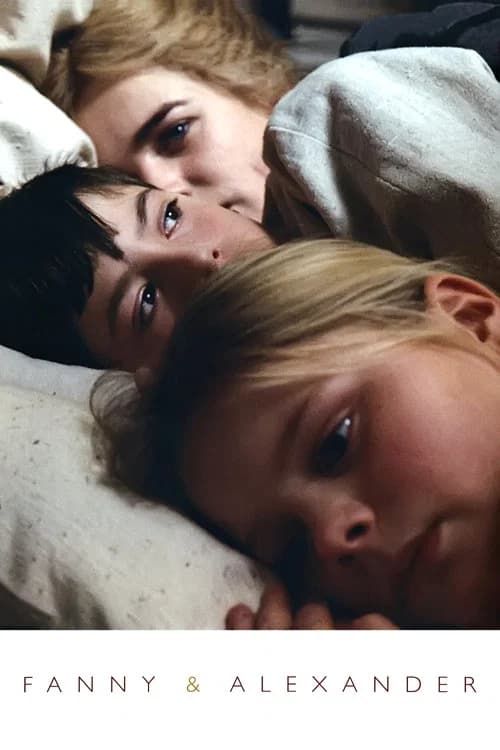
  6. Fanny and Alexander (1982) poster

    Fanny and Alexander

    Ingmar Bergman · 1982

    The first half is a long celebration of life in a theater family, full of warmth, food, performance and love. The second half is a study of institutional cruelty and cold religious authority. Bergman doesn't ease you from one mood into the other. The celebration ends abruptly when Oscar dies, and soon the children are in the bishop's house. The contrast is what the film has to say. That is, these are 2 ways people can live with and treat each other.

    Where to see it: Oscar's death at the end of the Christmas celebration and the move to the bishop's house. The break in mood is abrupt, and the loss feels like a physical amputation.

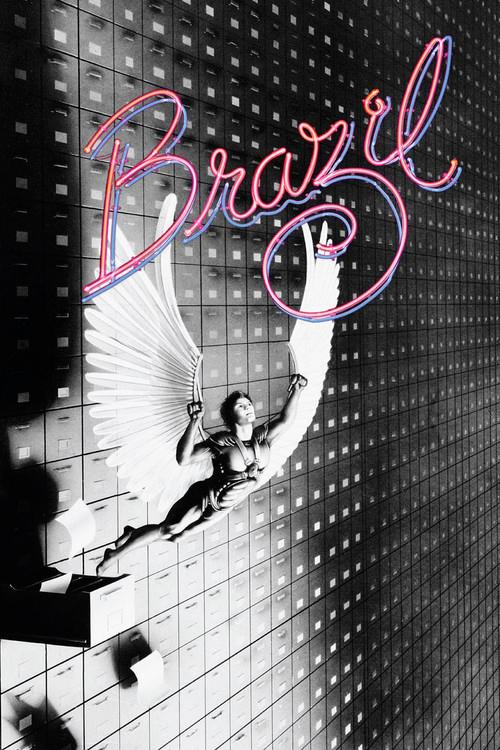
  7. Brazil (1985) poster

    Brazil

    Terry Gilliam · 1985

    Brazil keeps absurd comedy and real horror going at the same time. Bureaucratic slapstick shares scenes with torture, and shoppers' vanity shares space with state murder. Gilliam's control of tone makes the comedy more disturbing and the horror more exact. The system can't tell the difference between them either.

    Where to see it: The Christmas shopping and the bombing. A mall full of holiday shoppers is hit by a terrorist bomb. Ordinary shopping and political violence sit close together. How close they sit to each other is the most disturbing point the film makes.

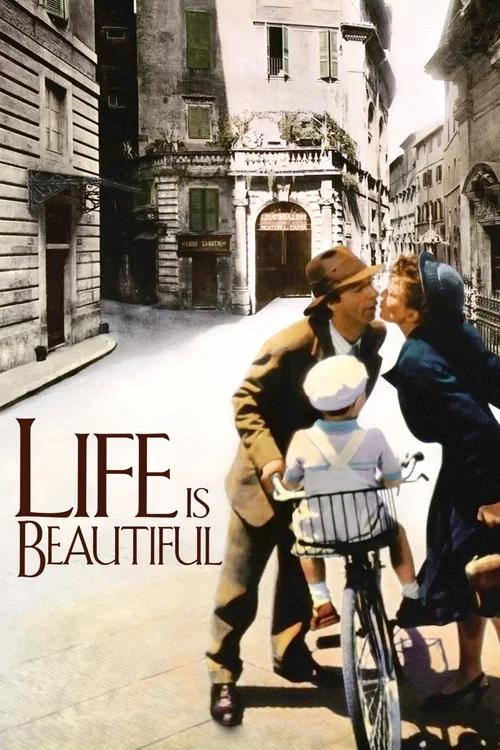
  8. Life is Beautiful (1997) poster

    Life is Beautiful

    Roberto Benigni · 1997

    The first half is a romantic comedy, where Guido wins over Dora with one elaborate scheme after another. The second half is a concentration camp survival story. The comedy doesn't disappear when the tragedy starts. It has made the love feel so real that the tragedy becomes unbearable.

    Where to see it: The jump from the bookshop years to the deportation. You are with the same characters in a completely different world.

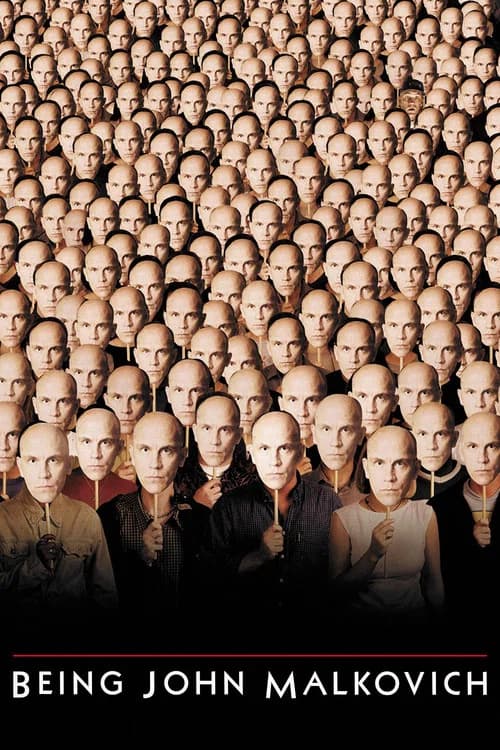
  9. Being John Malkovich (1999) poster

    Being John Malkovich

    Spike Jonze · 1999

    Being John Malkovich is hilarious and truly harrowing. When Craig exploits Malkovich's body, it is comedy and violation at the same time. Jonze never lets you settle into one mood.

    Where to see it: The sex scene between Lotte-as-Malkovich and Maxine. It is wish-fulfillment, violation and absurd comedy all at once.

  10. A.I. Artificial Intelligence (2001) poster

    A.I. Artificial Intelligence

    Steven Spielberg · 2001

    The film starts as a quiet domestic story in a suburban home. Then David is abandoned, and it becomes a harsh road odyssey with scrap yards and mobs. One reading is that each half makes the other feel colder or sadder.

    Where to see it: The Flesh Fair: After the family scenes, David is taken to a traveling show where old robots are destroyed for a cheering crowd.

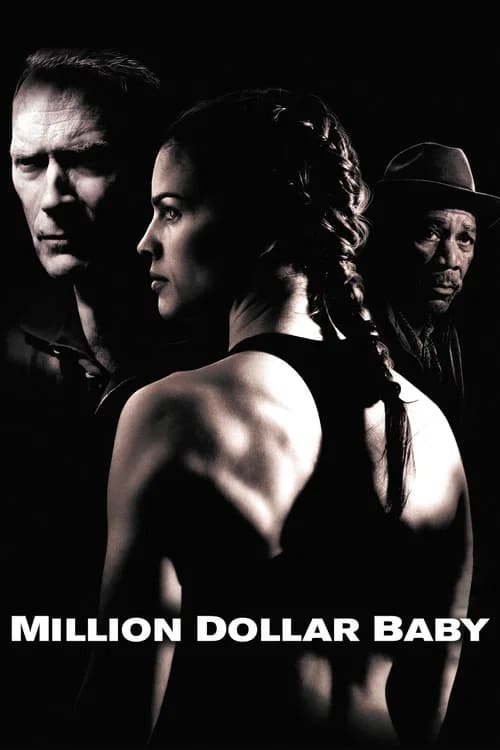
  11. Million Dollar Baby (2004) poster

    Million Dollar Baby

    Clint Eastwood · 2004

    For most of its runtime, the film works as a boxing success story. Then it turns catastrophically at the championship fight and becomes an intimate story about grief. The turn changes how you see everything before it.

    Where to see it: The illegal punch after the bell at the championship fight and Maggie's fall onto her corner stool. The film breaks its promise to be a boxing story here, and something rawer and harder takes over.

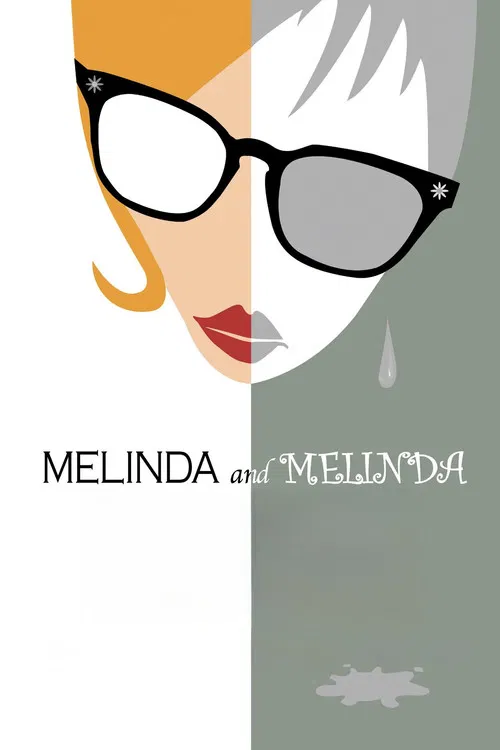
  12. Melinda and Melinda (2004) poster

    Melinda and Melinda

    Woody Allen · 2004

    Radha Mitchell plays Melinda in both versions. In the tragic one she is a divorced friend who loses her chance to see her children and sees her friends betray her. In the comic one she is a neighbor who has overdosed and ends up kissing the hero. Each telling makes the other feel sadder or funnier.

    Where to see it: The two versions of Melinda's arrival. In one she is a guest at a dinner party, and in the other she shows up at the neighbors' apartment after taking pills.

  13. Pan's Labyrinth (2006) poster

    Pan's Labyrinth

    Guillermo del Toro · 2006

    Del Toro gives the brutal realism of fascist Spain and the lush unreality of Ofelia's fairy tale the same intensity all the way through. Neither world softens the other. The fairy tale is beautiful, and the Captain's violence still hurts just as much. The real world's horror is concrete, and the fairy tale stays just as dangerous.

    Where to see it: The Pale Man's banquet table and the Captain's dinner party. The Pale Man sits at the head of a laden table just as the Captain does, so the 2 worlds run side by side and each is horrifying in its own way.

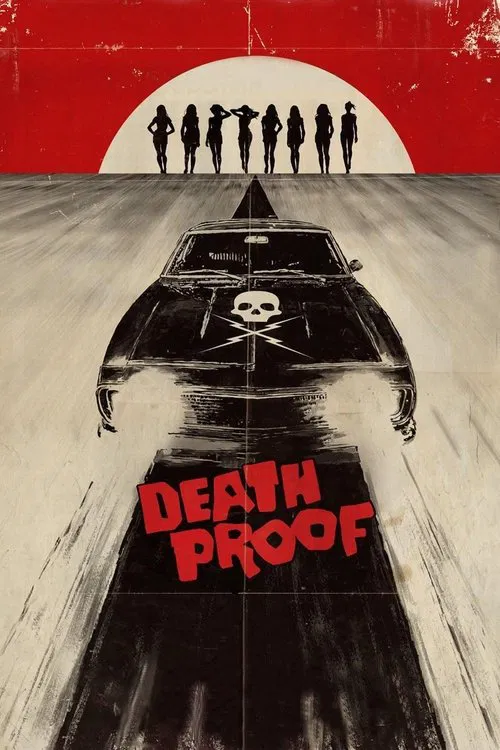
  14. Death Proof (2007) poster

    Death Proof

    Quentin Tarantino · 2007

    The first half plays like a slasher film and the second like a revenge chase. Each makes the other stronger, because the women in the second half have to pay off the dread of the first. The film never blends the two into one tone.

    Where to see it: Austin bar: Stuntman Mike offers a ride to Pam, who dies when he brakes hard and her head hits the dashboard.

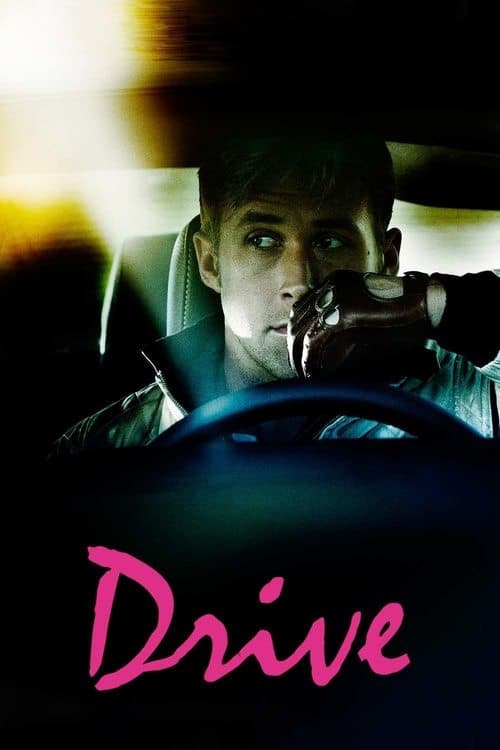
  15. Drive (2011) poster

    Drive

    Nicolas Winding Refn · 2011

    The first half of Drive is a quiet, almost dreamlike romance with a synthwave score, soft light and 2 people drifting close to each other. The second half is sudden, extreme violence that is almost unwatchable. Refn builds no bridge between the 2 moods. He breaks from one straight into the other, and the violence shocks more because it came out of that tenderness.

    Where to see it: The elevator scene. The film's break in tone happens in a single sequence, a kiss and then a stomping. The 2 moods crash into each other with no warning and nothing to soften it.

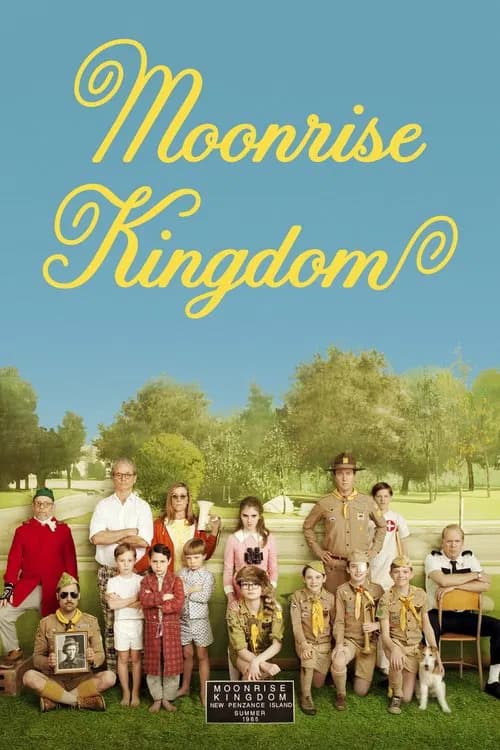
  16. Moonrise Kingdom (2012) poster

    Moonrise Kingdom

    Wes Anderson · 2012

    The second half brings in real threat: Suzy's home situation, what the institutions plan for Sam, the storm. Anderson lets the danger be real and keeps the comedy going. As a result, the change in tone makes the children's love feel more serious. Before that, it was mostly charming.

    Where to see it: The climactic storm sequence. Anderson lets real danger into the tidy storybook world. It hits differently because the style has always insisted nothing can really go wrong.

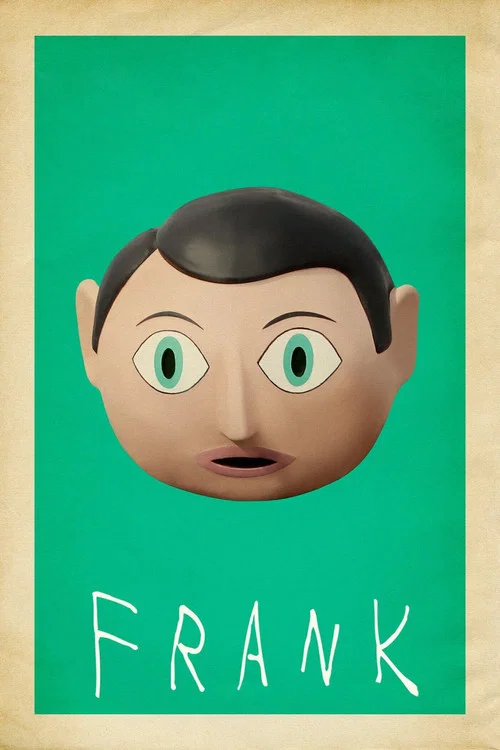
  17. Frank (2014) poster

    Frank

    Lenny Abrahamson · 2014

    The first half is a quirky comedy about a band with strange habits. The second half turns into a sad story about mental illness. Each tone makes the other hit harder.

    Where to see it: The Kansas visit: Jon finds Frank's family home and his parents explain his long history of mental illness.

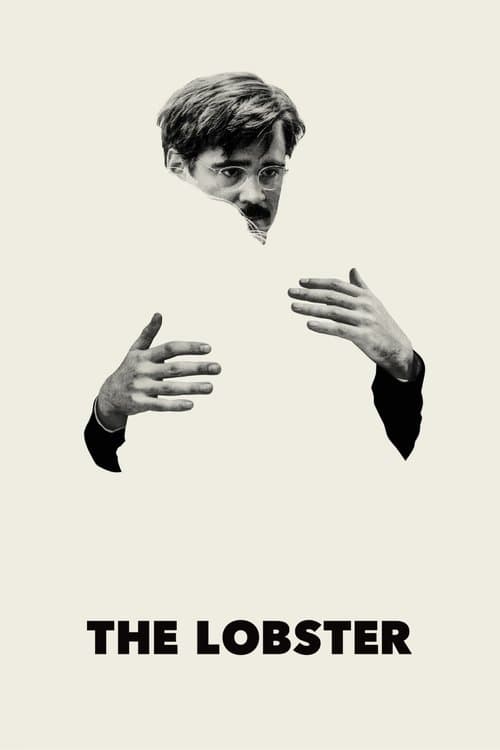
  18. The Lobster (2015) poster

    The Lobster

    Yorgos Lanthimos · 2015

    The Lobster works as absurd comedy. It also works as a film about real loneliness, violence and the ways people mutilate themselves to belong. Neither tone weakens the other. The clash between them is the point. Lanthimos makes you laugh and then makes you sit with what you laughed at.

    Where to see it: David's companion's blinding. A violent consequence arrives inside a film that has been playing its absurdity for laughs. That setting makes the horror more shocking.

  19. Room (2015) poster

    Room

    Lenny Abrahamson · 2015

    The escape from Room comes at the film's midpoint, where you would expect it to be the climax. The second half then flips the first completely. The outside world becomes the frightening place, and the small room becomes a home Jack has lost.

    Where to see it: Jack's first experience of open sky after the escape. The world is too large and too loud for him. You were desperate for him to get out, and freedom turns out to scare him more than captivity did.

  20. The Neon Demon (2016) poster

    The Neon Demon

    Nicolas Winding Refn · 2016

    The first half plays like a glossy drama about a girl making it in modeling. The second half turns into horror. Composer Cliff Martinez has said the first half feels like a melodrama and the second half like a horror film. The change makes the glamour feel like a trap.

    Where to see it: The turn at Ruby's house. After the fashion show and a night of terror at her motel, Jesse goes to Ruby's home, where Ruby, Gigi and Sarah attack her and the film becomes a horror story.

  21. Three Billboards Outside Ebbing, Missouri (2017) poster

    Three Billboards Outside Ebbing, Missouri

    Martin McDonagh · 2017

    The film's dialogue is often really funny, and the situation is devastating the entire time. McDonagh wrote it so the comedy and the grief happen at once and never take turns. The same line can be both. That puts you in the same state as the main character. You laugh because nobody can cry nonstop.

    Where to see it: Mildred's confrontation with the dentist. The drill through the fingernail is funny and there is a serious threat under it. Neither the comedy nor the threat lets go of the other.

  22. Soul (2020) poster

    Soul

    Pete Docter · 2020

    The film seems to be building toward Joe's triumphant jazz performance. Then the final act becomes much quieter and harder. It turns into a reflection on being present and on what ordinary days feel like.

    Where to see it: Joe sitting at his piano after the gig. The big triumphant moment is already behind him, and only now does the film ask its real question.

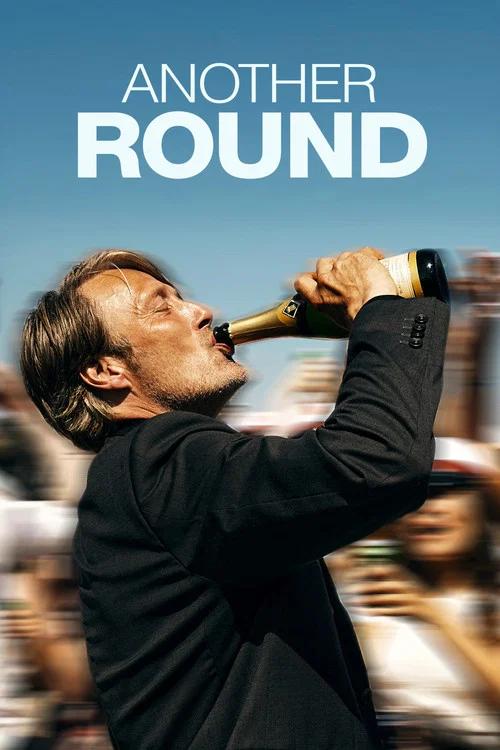
  23. Another Round (2020) poster

    Another Round

    Thomas Vinterberg · 2020

    The first half plays like a comedy, with the men loosening up and their classes waking up. After the drinking gets out of control and Tommy dies, the film turns. The comedy does not go away, but it carries a weight it did not have before.

    Where to see it: Tommy's death. After the friends' families confront them and the experiment ends, Tommy dies, and the story leaves comedy behind.

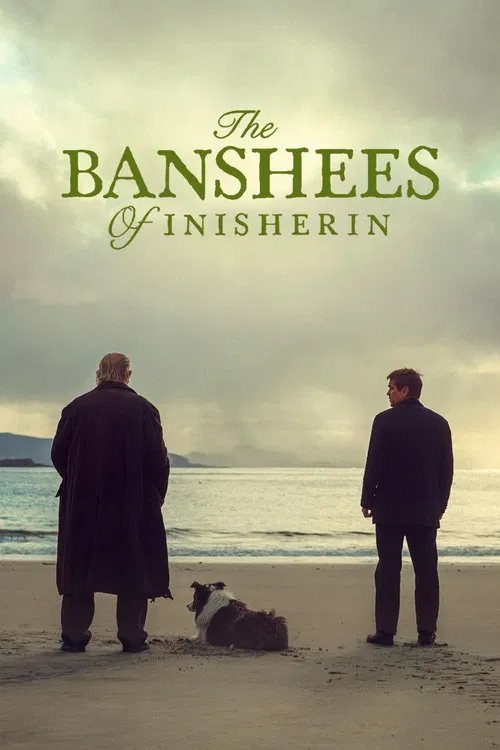
  24. The Banshees of Inisherin (2022) poster

    The Banshees of Inisherin

    Martin McDonagh · 2022

    The premise is plainly funny: a man ends a friendship because the other man is dull. The consequences are devastating. McDonagh keeps both tones going. The comedy never softens the tragedy, and the tragedy never makes the comedy feel out of place. The split in tone is the point, because this is what small conflicts really lead to.

    Where to see it: Colm's self-mutilation. The act is absurdly extreme and also completely in keeping with the film's logic, so you can't separate the comedy from the horror.

  25. Emilia Pérez (2024) poster

    Emilia Pérez

    Jacques Audiard · 2024

    The first half plays Emilia's transformation inside the crime world as dark comedy. The second half drops that and becomes a tragedy about things that can't be undone. The tone moves from genre entertainment to real grief at the point where Emilia discovers that her new self can't escape the consequences of the old one.

    Where to see it: The change in tone after Emilia reconnects with her children. The genre machinery slows down as the emotional consequences of her double life become impossible to avoid.

Questions

Quick answers

What is tonal bifurcation in film?
Giving a film 2 very different tones, such as comedy and tragedy, often split into halves. Each makes the other hit harder, and the film never blends them into 1.
Which films use tonal bifurcation?
Singin' in the Rain (1952), Some Like It Hot (1959), The Apartment (1960), Thunderbolt and Lightfoot (1974), The Deer Hunter (1978), Fanny and Alexander (1982) and 19 more films in the CineCode library.
What kind of technique is tonal bifurcation?
It is a narrative technique. Related narrative techniques include Deadpan Absurdism, Symbolic Object, Earned Catharsis.