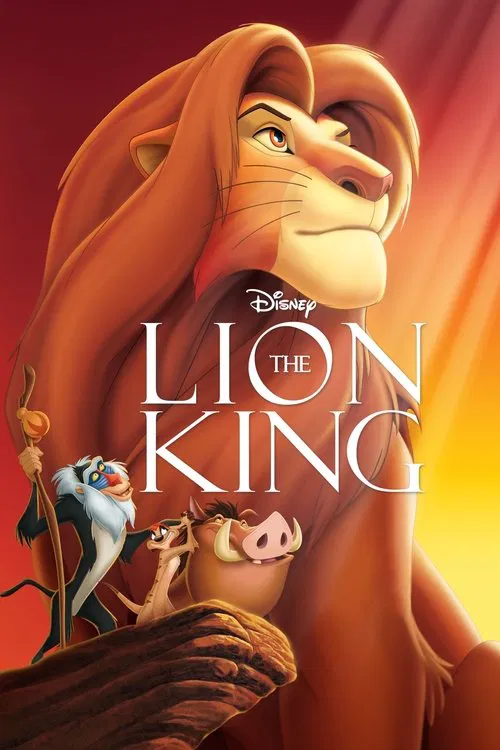
A lion cub is tricked into believing he caused his father's death, so he runs away into exile. Years later, he returns to take back his kingdom and his identity. It's a Shakespearean tragedy turned into animation, with a score by Hans Zimmer. Under the surface, it's also a political story about what happens when someone steals a throne.
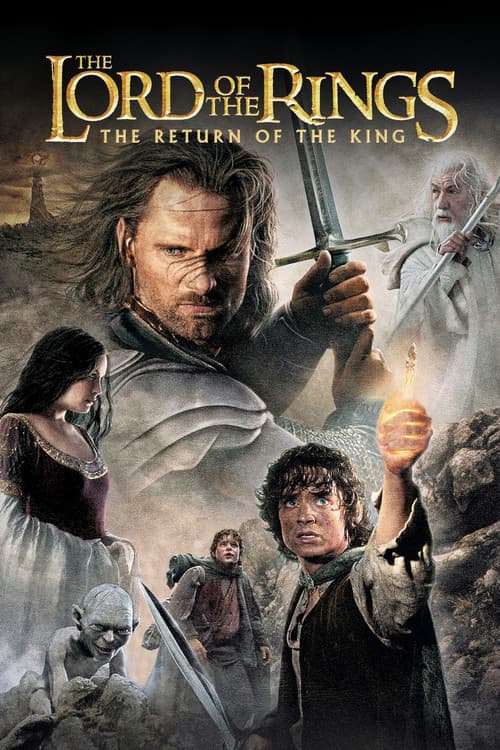
The Lion King is a 1994 animation, adventure and drama film directed by Roger Allers, Rob Minkoff. This breakdown covers 4 techniques (1 narrative and 3 cinematography), each with the scene where you can see it. If you like how it is made, The Lord of the Rings: The Return of the King uses several of the same techniques.
Moving the plot, character relationships and themes of a Shakespeare play into a new time, place or genre. The basic dramatic structure stays, and the world around it changes.
How this film uses it
The Lion King is Hamlet moved to the African savanna. It has the murdered father-king, the uncle who steals the throne, the exiled prince, the ghost's command and the return that puts things right. The film strips Hamlet down to the parts the story can't stand without. Then it rebuilds them into something that works for children and adults at once.
Where to see it
Mufasa's ghost in the clouds. It is the ghost of Hamlet's father moved into an animated sky.
Lighting good characters in warm, bright light and putting corrupt ones in shadow or sickly color. You can read who is safe and who is guilty from how a scene is lit.
How this film uses it
The Pride Lands under Mufasa are lit in warm gold and amber. The Elephant Graveyard and Scar's territory are cold green and deep shadow. The colors tell you who is good and who is bad. Light means life and a rightful ruler, and shadow means corruption and death.
Where to see it
The Pride Lands and the Elephant Graveyard. One has a golden dawn, and the other is a grey-green wasteland.
Repeating one shape or image, such as circles, an X or a fragile natural sight, throughout the film. Each return adds meaning and quietly signals themes or fate.
How this film uses it
The film opens and closes with the same image at Pride Rock: the same ceremony and the same raised cub. The circle is the point, both in how the story is built and in what you see. Life returns to where it started and the cycle continues. So when Simba takes his place again, it feels like nature going back to normal.
Where to see it
The closing image. Simba's cub is raised at Pride Rock, exactly as in the film's opening.
Filling the frame with computer-generated crowds, either multiplied from a few real extras or driven by software. The scale feels epic without needing thousands of people.
How this film uses it
The wildebeest stampede was built with computer animation, using software Disney wrote for the job. It simulated hundreds of animals running through a gorge without colliding. Animating that many by hand would have been impossible. Because of that breakthrough, you really feel the physical weight of the herd.
Where to see it
Mufasa's death sequence. The stampede is so huge that the tragedy feels like a force of nature.
Questions
The Lion King: quick answers
What filmmaking techniques does The Lion King use?
CineCode breaks down 4 techniques in The Lion King (1994): Shakespearean Adaptation, Light-Shadow Moral Coding, Recurring Visual Motif and Digital Crowd Simulation.
Who directed The Lion King?
Roger Allers, Rob Minkoff directed The Lion King, released in 1994.
What films are similar to The Lion King?
Films that share techniques with The Lion King include The Lord of the Rings: The Return of the King (2003), The Departed (2006), Grave of the Fireflies (1988), Ran (1985).