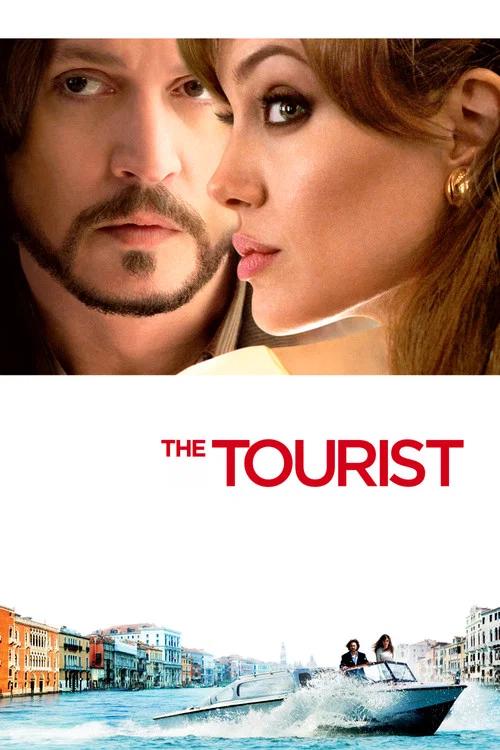
A British woman is told to pick a stranger on a train to Venice and make the police think he is her missing lover. She chooses an American math teacher, and gangsters and detectives both chase him. Watch how the film hides the answer in plain sight.
The Tourist is a 2010 thriller, romance and action film directed by Florian Henckel von Donnersmarck. This breakdown covers 5 techniques (3 narrative, 1 cinematography and 1 psychology), each with the scene where you can see it. If you like how it is made, Hellboy uses several of the same techniques.
Saving a reveal for the climax that changes the meaning of every scene before it. You have to rebuild the whole film in your head with the new knowledge.
How this film uses it
Frank seems to be a nervous bystander who gets dragged into a spy plot. At the end, he opens the safe with the right code and turns out to be Alexander Pearce all along. Every chase, every nervous joke and every clumsy escape now plays differently.
Where to see it
The safe. Frank confronts the mobster, the police shoot Shaw's men, and Frank opens the safe, proving he is Pearce.
Placing the real subject of the plot in front of you as an apparent bystander. The clues are on screen the whole time, but the role they play stays hidden until the end.
How this film uses it
Everyone in the film is looking for Pearce, and the police and gangsters spend most of the film chasing a harmless-looking teacher. You are given the same clues they have. The reason you miss it is that Frank is acting like an ordinary tourist.
Where to see it
The train to Venice. Elise chooses Frank, a Wisconsin math teacher, as the man the police will mistake for Pearce.
Filming in recognizable real places so the setting acts like part of the cast. Streets, buildings and landscapes shape the mood of the story.
How this film uses it
The story moves through Venice, from a grand hotel to a ball to the canals. The film's boat chase is designed around the city's strict speed limits, so it is a slow chase along the water. The city's old stone and narrow water streets make a postcard romance and a trap at the same time.
Where to see it
The boat chase through Venice. Frank is pursued across the canals in a chase built around the city's speed limits.
Dropping a character into a world whose social rules they don't understand. The comedy, and some insight too, comes from the constant mismatch between them and everyone around them.
How this film uses it
Frank is a Wisconsin math teacher who has no idea how to behave around gangsters. His fumbling gives the thriller its jokes. He is polite when he should run, and he gets into trouble in ways a trained spy would avoid.
Where to see it
The chase through Venice. Shaw's men chase Frank, and a corrupt inspector tries to sell him to them, while Frank stumbles through each escape.
Showing a character's sense of self being built, borrowed or stripped away by pressure, roles or the group. Who they are shifts with what they wear, say or join.
How this film uses it
Pearce is believed to have changed his face to disappear, so everyone in the film is trying to read a man who has made himself into someone else. Frank's role as an ordinary teacher is a built identity, and the film asks what is left of the old self.
Where to see it
The confrontation with Shaw. Frank claims to be Pearce, and the police open fire on Shaw and his men.
Questions
The Tourist: quick answers
What filmmaking techniques does The Tourist use?
CineCode breaks down 5 techniques in The Tourist (2010): Retroactive Reframing Revelation, Hidden in Plain Sight Identity, Real Locations as Character, Fish-Out-of-Water Comedy and Identity Construction and Loss.
Who directed The Tourist?
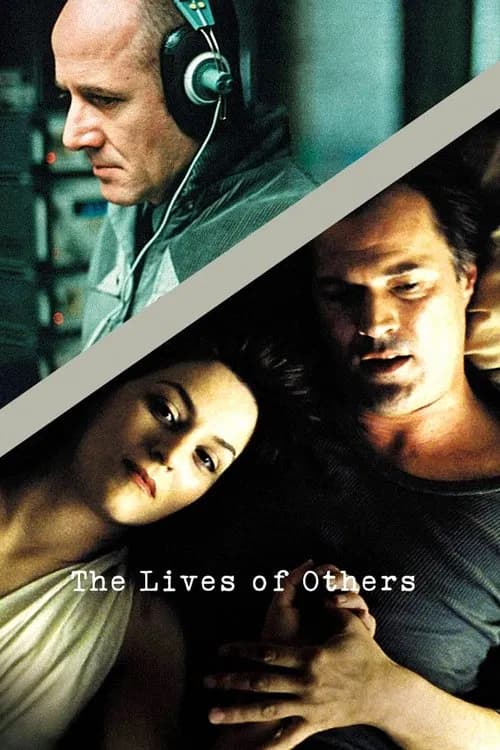
Florian Henckel von Donnersmarck directed The Tourist, released in 2010. CineCode also covers The Lives of Others (2006).
What films are similar to The Tourist?
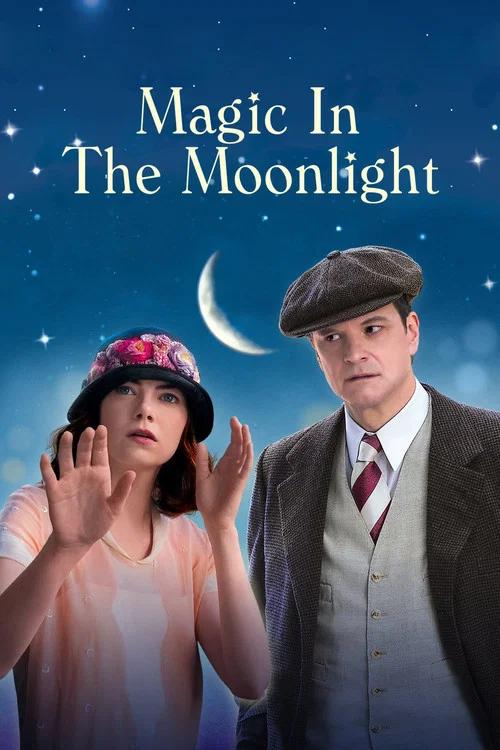
Films that share techniques with The Tourist include Hellboy (2004), Romancing the Stone (1984), Whatever Works (2009), To Rome with Love (2012).