Fantasy · Action · Adventure

Hellboy

Guillermo del Toro, 2004

A demon raised by a paranormal researcher works for a secret government bureau that hunts monsters. When the occultists who first summoned him bring Rasputin back, he has to face his past. Look at how del Toro stages the monster fights like old special-effects classics and builds a character out of heavy makeup.

Hellboy (2004) poster

At a glance

Hellboy is a 2004 fantasy, action and adventure film directed by Guillermo del Toro. This breakdown covers 5 techniques (3 narrative, 1 cinematography and 1 psychology), each with the scene where you can see it. If you like how it is made, Some Like It Hot uses several of the same techniques.

Narrative

Fish-Out-of-Water Comedy

Dropping a character into a world whose social rules they don't understand. The comedy, and some insight too, comes from the constant mismatch between them and everyone around them.

How this film uses it

FBI agent John Myers is a rookie who joins the Bureau for Paranormal Research and Defense and is put with a demon and a fish-man. The film uses him to show you the strange world, and the jokes come from how out of place he is.

Where to see it

Myers joins the Bureau: at Broom's request, he is paired with Hellboy and Abe Sapien.

Narrative

Genre Collage

Mixing several genres in 1 film, such as crime, romance, horror and absurd comedy. The clash between them keeps you from settling into a single way of watching.

How this film uses it

A Nazi occult ritual, monster hunting, workplace comedy about a new hire and a love story all share one film. The mix keeps the tone shifting, so you cannot settle into one set of expectations.

Where to see it

The opening in 1944: Rasputin and a Nazi group open a portal, and an Allied strike force destroys it, which brings Hellboy into the world.

Narrative

Role Reversal Structure

Swapping the expected roles of characters or a fable's archetypes as the story progresses, so power and sympathy shift and old assumptions fail.

How this film uses it

Del Toro has said he reversed the Beauty and the Beast structure so that Liz becomes the monster who has to accept herself. Her fire power scares her enough to check into a hospital. Hellboy, the one who looks like a beast, is the person who keeps showing up for her.

Where to see it

The hospital: Hellboy visits Liz Sherman, who has committed herself because of her pyrokinetic powers.

Cinematography

Spatial Action Clarity

Shooting and editing action so you always know where each character is in relation to the others and the space. Even in chaos, you can follow what each blow or move leads to.

How this film uses it

Del Toro has said the action scenes were staged in the style of Ray Harryhausen's films, with wide shots and little camera movement. The camera stays back so you can see the creature, Hellboy and the room together. The fights feel like classic monster movies.

Where to see it

The museum: Hellboy fights the creature Samael.

Psychology

Identity Construction and Loss

Showing a character's sense of self being built, borrowed or stripped away by pressure, roles or the group. Who they are shifts with what they wear, say or join.

How this film uses it

Hellboy came through a portal as an infant, and Rasputin wants him to reopen it. At the end he reseals it. The film asks whether he is a demon or a person, and he answers by what he chooses to do.

Where to see it

The climax: Hellboy reseals the portal to the Ogdru Jahad and lets the Behemoth swallow him, then blows it up from inside with a grenade belt.

Questions

Hellboy: quick answers

What filmmaking techniques does Hellboy use?
CineCode breaks down 5 techniques in Hellboy (2004): Fish-Out-of-Water Comedy, Genre Collage, Role Reversal Structure, Spatial Action Clarity and Identity Construction and Loss.
Who directed Hellboy?
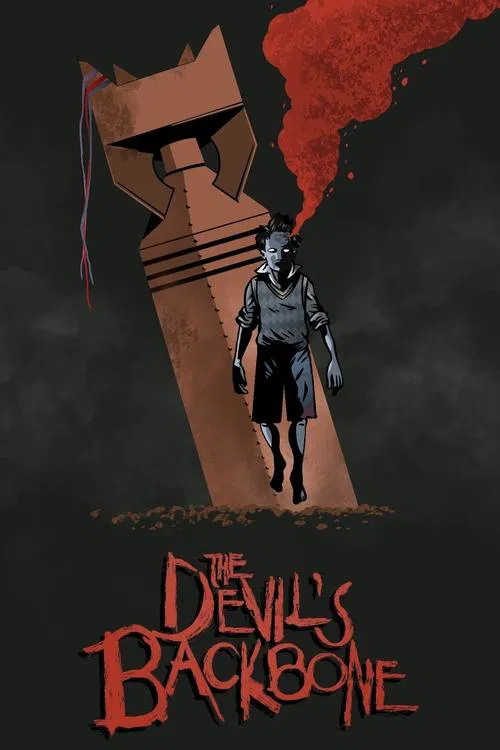
Guillermo del Toro directed Hellboy, released in 2004. CineCode also covers Cronos (1993), Mimic (1997), The Devil's Backbone (2001), Blade II (2002), Pan's Labyrinth (2006), Hellboy II: The Golden Army (2008).
What films are similar to Hellboy?
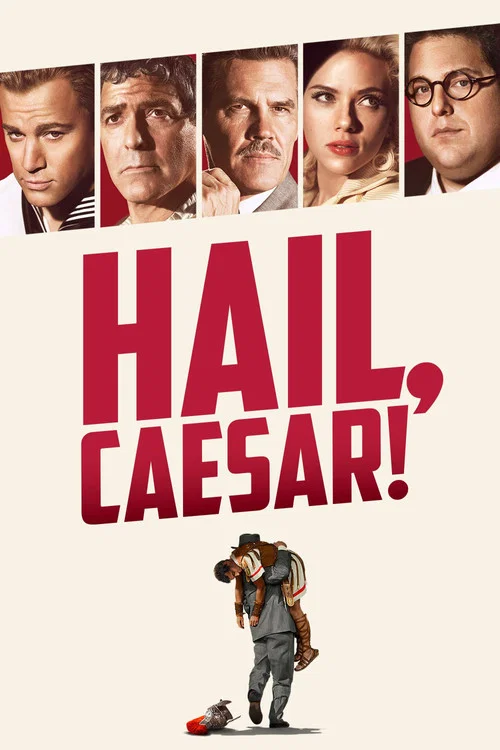
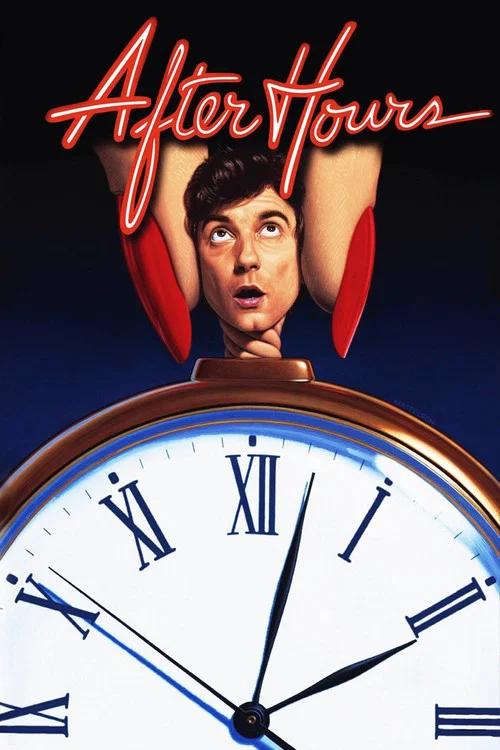
Films that share techniques with Hellboy include Some Like It Hot (1959), True Lies (1994), Hail, Caesar! (2016), After Hours (1985).