Western · Drama

True Grit

Joel Coen, Ethan Coen, 2010

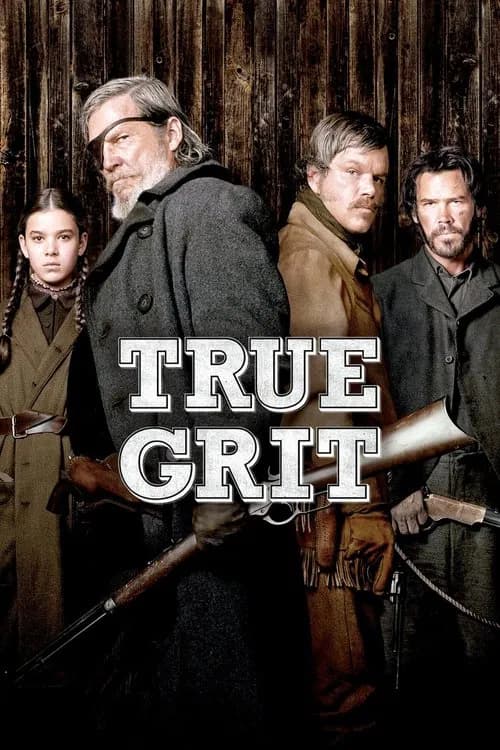
A 14-year-old Arkansas girl hires a one-eyed, hard-drinking U.S. Marshal to track the outlaw who killed her father. They ride through Indian Territory with a Texas Ranger who is also after the outlaw. The Coen Brothers adapted Charles Portis's novel. It is a Western told from old age, about what the justice you demand ends up costing you.

True Grit (2010) poster

At a glance

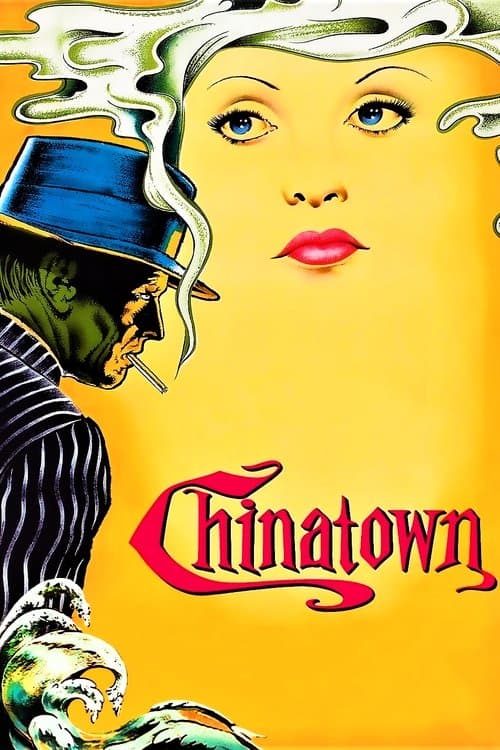
True Grit is a 2010 western and drama film directed by Joel Coen, Ethan Coen. This breakdown covers 4 techniques (3 narrative and 1 cinematography), each with the scene where you can see it. If you like how it is made, Chinatown uses several of the same techniques.

Narrative

Elderly Frame Narrative

Framing the story as an old person's memory of events from decades ago. You know from the start how things ended, so even the happy memories carry some grief.

How this film uses it

The entire film is narrated by the elderly Mattie Ross, who is looking back on the events of her 14th year. Her adult voice gives the childhood adventure a seriousness the girl herself couldn't feel yet. The years in between are what let you judge it.

Where to see it

Mattie's closing voiceover, where she reflects on what the pursuit cost her. You see the one-armed adult woman that the determined girl became. You see the justice she got and what it demanded in return.
Narrative

Revisionist Genre Argument

Using a genre's familiar rules, like its heroes and its violence, to take those rules apart. The film turns your expectations into a political point the genre usually avoids.

How this film uses it

The Coens take the Western's romantic heroism away from Rooster Cogburn. He is drunk, dishonest and getting old. The genre's myth of the lone hero now reads as a story told by a determined girl about a flawed man she chose to believe in.

Where to see it

Rooster's famous charge against the Pepper gang. It gets undercut when his horse is shot and falls, pinning his leg. The heroic gesture runs into the physical reality of a one-eyed drunk.

Cinematography

Chiaroscuro Lighting

Lighting a scene with strong contrast between bright light and deep shadow, a style borrowed from old paintings called chiaroscuro. How lit a character is hints at their moral or mental state.

How this film uses it

Roger Deakins shoots the Ozarks and Indian Territory like a morality play about good and evil. He uses chiaroscuro, which is strong contrast between light and dark. The outlaws' hideouts sit in deep shadow and the open territory gets hard winter light, so the landscape tells you where good and evil are.

Where to see it

The scene in the outlaw's dugout. Deakins drops the background to near black and lights Rooster and the criminals from a single source. The contrast makes the negotiation feel as serious as a judgment.

Narrative

Retrospective Voiceover

Having a narrator tell the story from some point after it happened. The events feel like memory, and you sense early on that something will be lost.

How this film uses it

Mattie's adult voice narrates her own childhood with calm clarity. She has had decades to understand what she set in motion at 14. Nevertheless, looking back like this makes every scene of her determination admirable and ominous at the same time.

Where to see it

Mattie's narration of her father's murder and her immediate decision to pursue justice. The adult voice knows what that decision would cost. The child can't imagine it yet.

Questions

True Grit: quick answers

What filmmaking techniques does True Grit use?
CineCode breaks down 4 techniques in True Grit (2010): Elderly Frame Narrative, Revisionist Genre Argument, Chiaroscuro Lighting and Retrospective Voiceover.
Who directed True Grit?
Joel Coen, Ethan Coen directed True Grit, released in 2010. CineCode also covers Blood Simple (1985), Raising Arizona (1987), Miller's Crossing (1990), Barton Fink (1991), The Hudsucker Proxy (1994), Fargo (1996).
What films are similar to True Grit?
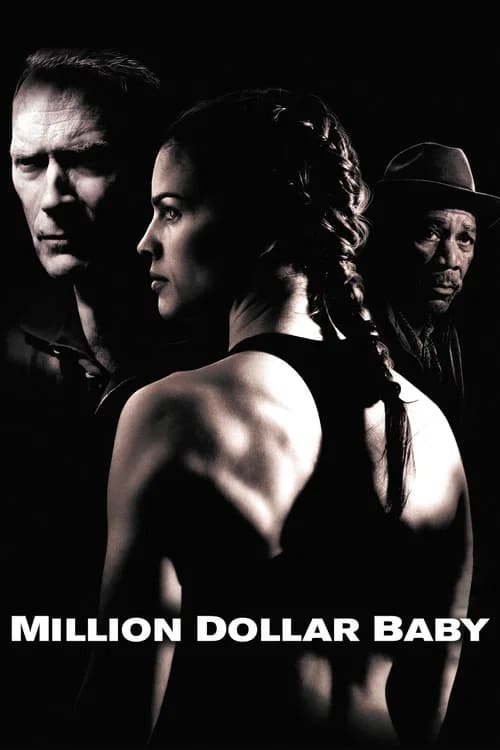
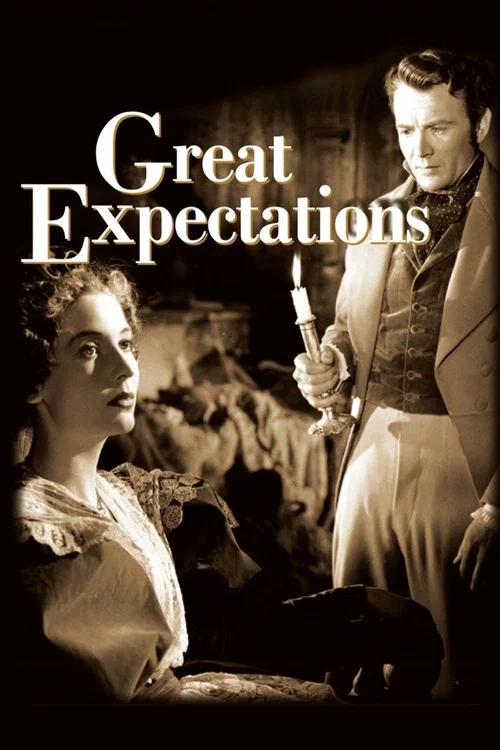
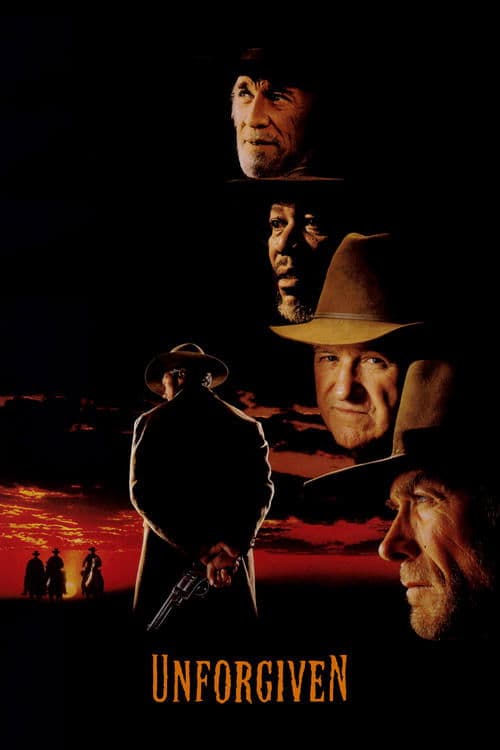
Films that share techniques with True Grit include Chinatown (1974), Unforgiven (1992), Million Dollar Baby (2004), Great Expectations (1946).