Comedy · Romance

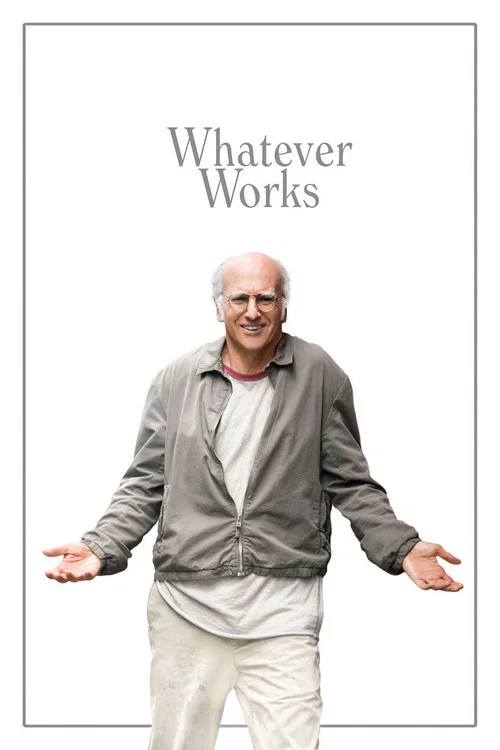
Whatever Works

Woody Allen, 2009

A bitter former physics professor in New York takes in a young runaway from the Deep South and ends up marrying her. When her parents arrive, everyone's life gets rearranged. Worth watching for how Larry David's character talks straight to you, the audience, while the story pokes fun at his own gloom.

Whatever Works (2009) poster

At a glance

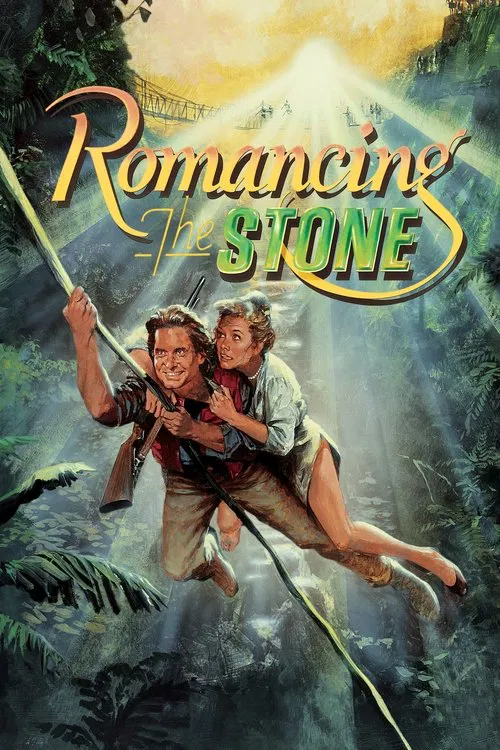
Whatever Works is a 2009 comedy and romance film directed by Woody Allen. This breakdown covers 5 techniques (3 narrative, 1 psychology and 1 cinematography), each with the scene where you can see it. If you like how it is made, Romancing the Stone uses several of the same techniques.

Narrative

Direct Address

Having a character look into the camera and speak to the audience, also called breaking the fourth wall. It makes you feel like their confidant and reminds you this is a film.

How this film uses it

Boris looks into the camera and talks to us, explaining the other characters and his bleak view of life. At the end he says you have to enjoy whatever works.

Where to see it

The closing speech. After the New Year's party Boris breaks the fourth wall and tells the audience to find all the enjoyment they can.
Narrative

Fish-Out-of-Water Comedy

Dropping a character into a world whose social rules they don't understand. The comedy, and some insight too, comes from the constant mismatch between them and everyone around them.

How this film uses it

Melody arrives from a fundamentalist family in Mississippi, and later her mother and father follow her to New York. Marietta, who is disappointed in Boris, gets drawn into photography and an open relationship with two men. John admits he is gay. The comedy comes from how fast the Southerners adopt their new world.

Where to see it

The photography exhibit. Marietta's opening shows how far she has come since arriving in New York, and John sees it.

Narrative

Odd Couple Class Structure

Pairing characters from opposite social worlds who find each other strange. Their friction produces the comedy, and what they learn from each other produces the emotion.

How this film uses it

Boris is a cynical, educated former Columbia professor and Melody is a sweet 21-year-old who has never lived in a city. They find each other strange, and the friction makes the early comedy. He later falls in love with her and marries her.

Where to see it

The night on Boris's doorstep. Melody turns up at his door, and he reluctantly lets her stay.

Psychology

Defensive Persona

Giving a character a protective manner, such as charm, cynicism or intellect, that hides vulnerability. The audience sees the defense first and the wound it covers later.

How this film uses it

Boris insists life is meaningless and people are fools. When Melody leaves him he jumps out a window and lands on a stranger, Helena, who then wants to have dinner with him. His gloom survives, but luck keeps landing him in a better spot. You can read the film as a gentle argument against his own bleakness.

Where to see it

The window jump. Boris jumps after Melody says she loves Randy, lands on Helena, and ends up going to dinner with her.

Cinematography

Real Locations as Character

Filming in recognizable real places so the setting acts like part of the cast. Streets, buildings and landscapes shape the mood of the story.

How this film uses it

The film returns to New York after Allen's run of European films, and the story plays out in Boris's apartment and around the city. The city is the world Boris grumbles about and cannot leave.

Where to see it

The outdoor market. Marietta takes Melody there and arranges an accidental meeting with Randy.

Questions

Whatever Works: quick answers

What filmmaking techniques does Whatever Works use?
CineCode breaks down 5 techniques in Whatever Works (2009): Direct Address, Fish-Out-of-Water Comedy, Odd Couple Class Structure, Defensive Persona and Real Locations as Character.
Who directed Whatever Works?
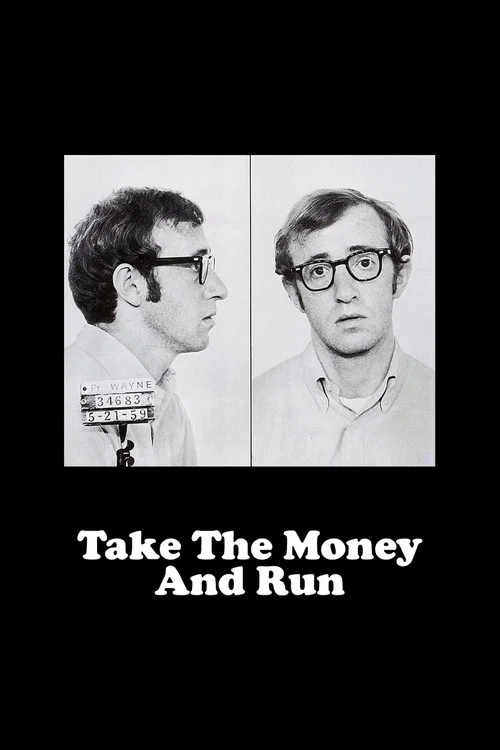
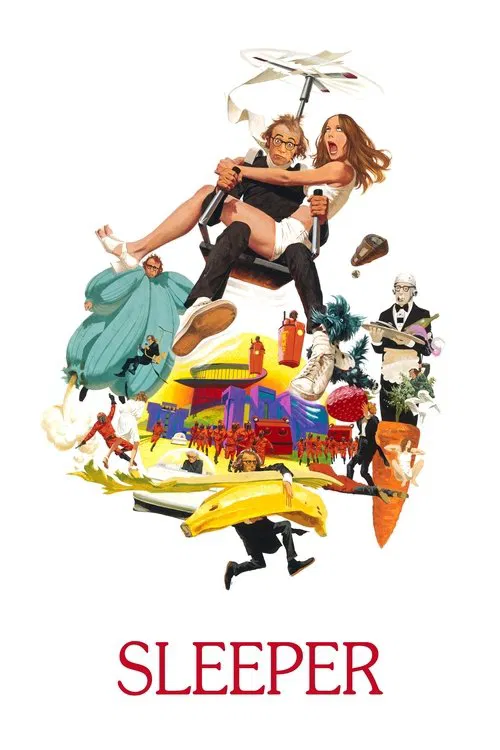
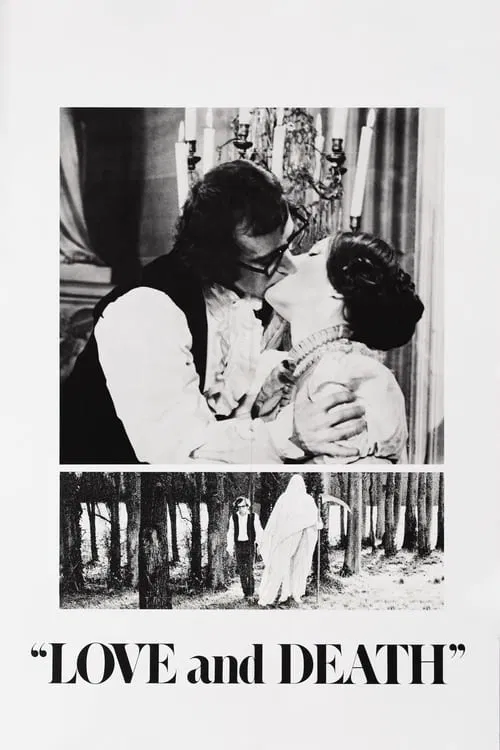
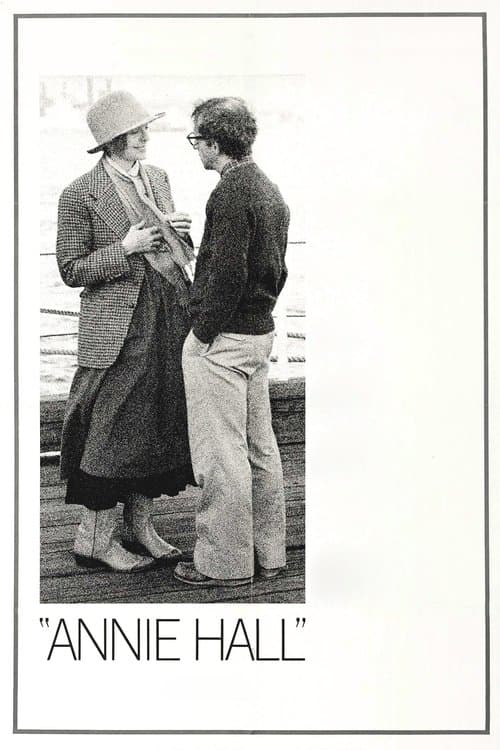
Woody Allen directed Whatever Works, released in 2009. CineCode also covers Take the Money and Run (1969), Bananas (1971), Everything You Always Wanted to Know About Sex *But Were Afraid to Ask (1972), Sleeper (1973), Love and Death (1975), Annie Hall (1977).
What films are similar to Whatever Works?
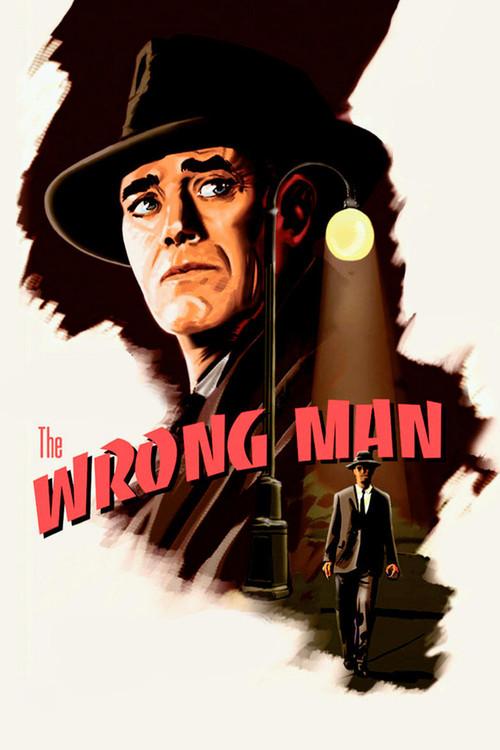
Films that share techniques with Whatever Works include Romancing the Stone (1984), The African Queen (1951), The Wrong Man (1956), Mighty Aphrodite (1995).