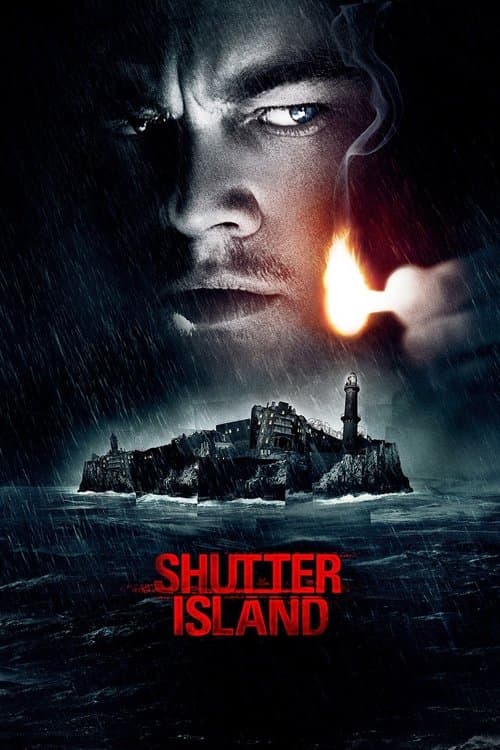
Shutter Island
Martin Scorsese · 2010
A U.S. Marshal investigates the disappearance of a patient from a remote island psychiatric facility — and begins to doubt the reality of everything around him. Scorsese's most formally extravagant film uses genre conventions as a trap.
Techniques Used
4 techniques identified in this film
Unreliable Reality
PsychologyA film whose world may be subjective or constructed — where the boundary between what is real and what the protagonist perceives cannot be determined until the film reveals it.
How this film uses it
Every element of Shutter Island's reality is potentially Teddy Daniels's construction: the other patients, the guards, the architecture, the storm. Scorsese makes the island itself feel wrong — the scale, the light, the behavior of everyone on it. The film is designed to make the audience suspect the reality before Teddy does, then doubt their own suspicion.
Dream Logic Structure
NarrativeSequences operating by nightmare logic — images connected by emotional dread rather than causation, the narrative moving into registers that resist rational processing.
How this film uses it
Teddy's recurring visions of his wife and daughter follow dream grammar: her ash-dissolving, the impossible geography, the children emerging from water. Scorsese photographs these sequences with the visual grammar of traumatic memory rather than hallucination — they feel too coherent to be psychotic, too impossible to be real. The dream logic is the film's evidence for both interpretations simultaneously.
Retroactive Reframing Revelation
NarrativeA revelation that transforms the meaning of every preceding scene, requiring the audience to reconstruct the entire film with new knowledge.
How this film uses it
The revelation about Teddy Daniels and Andrew Laeddis retroactively transforms every scene in the film. The other characters' behavior, previously mysterious, becomes explicable as role-playing. The film's architecture, previously threatening, becomes therapeutic. The audience must replay two hours of film through a completely different interpretive frame.
Scorsese Visual Citation
CinematographyExplicitly referencing the visual grammar of classic Hollywood and European cinema — using the audience's familiarity with film history as part of the film's own meaning.
How this film uses it
Shutter Island openly cites 1940s psychological thrillers, German Expressionism, and 1950s noir — its production design, lighting, and compositional choices are deliberate quotations. Scorsese uses the citation not as homage but as genre trap: he is building a film that feels like something the audience already knows how to read, then revealing that their knowledge was the problem.
You Might Also Like
Films that share at least one technique with Shutter Island
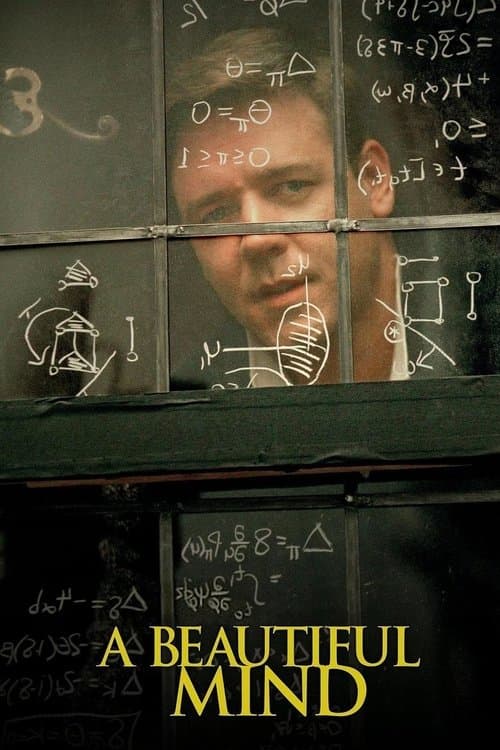
The mathematician John Nash develops groundbreaking game theory while battling paranoid schizophrenia — a condition the film initially presents as reality, then reveals as hallucination. A biography structured as a psychological thriller about the nature of perception.
A Beautiful Mind
Ron Howard · 2001
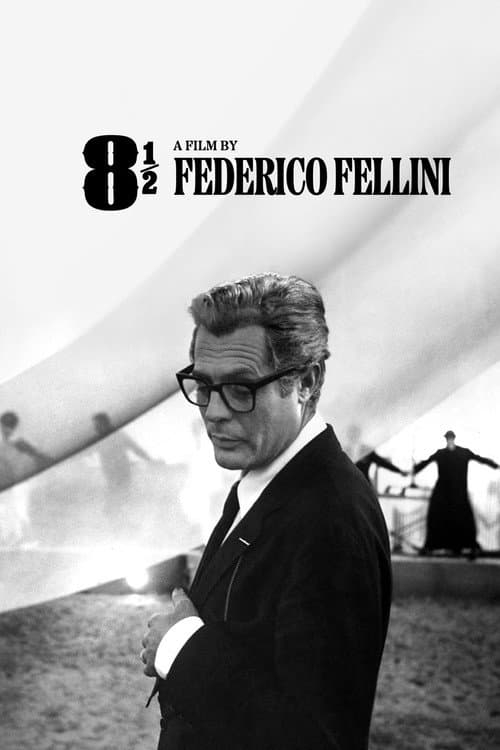
A film director paralyzed by creative block retreats to a spa, where his memories, fantasies, and present reality blur into each other. Fellini's most personal film uses cinema's tools to examine what it means to be an artist who has run out of things to say.
8½
Federico Fellini · 1963
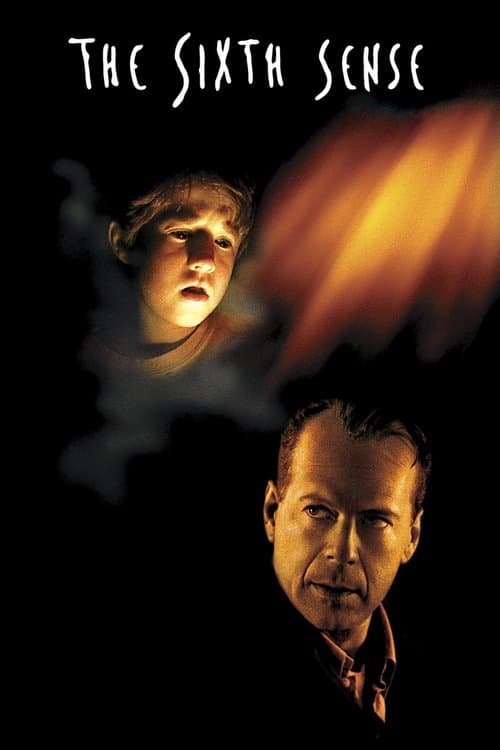
A child psychologist works with a troubled young boy who claims he can see dead people — and the film's final revelation retroactively transforms everything the audience thought they were watching. The most precisely constructed twist film in Hollywood history.
The Sixth Sense
M. Night Shyamalan · 1999