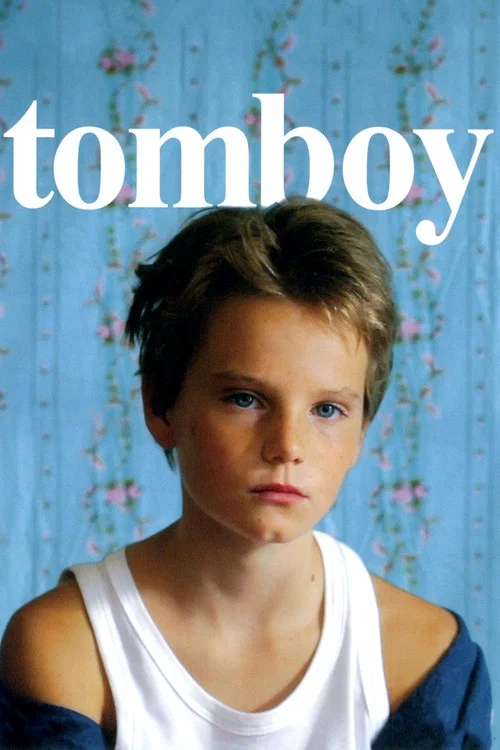
Ten-year-old Laure moves to a new neighborhood and lets the local kids think she is a boy named Mickael. As summer goes on, the secret becomes harder to keep. Watch how Sciamma follows a child's point of view without explaining it away.
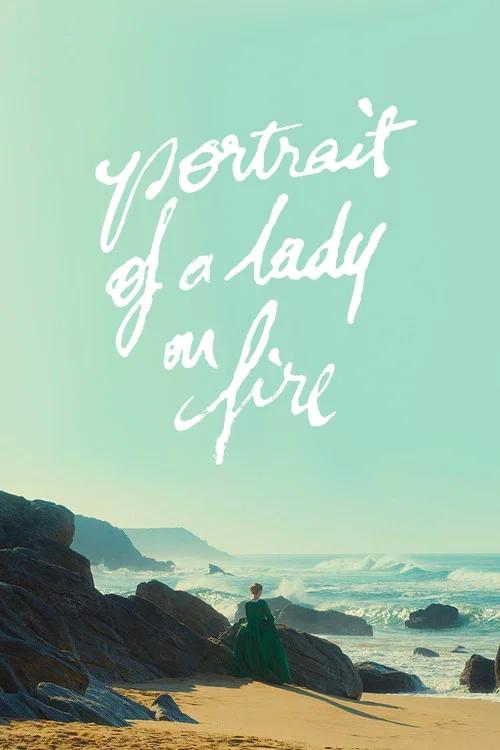
Tomboy is a 2011 drama film directed by Céline Sciamma. This breakdown covers 5 techniques (3 psychology, 1 narrative and 1 cinematography), each with the scene where you can see it. If you like how it is made, Portrait of a Lady on Fire uses several of the same techniques.
Showing a character's sense of self being built, borrowed or stripped away by pressure, roles or the group. Who they are shifts with what they wear, say or join.
How this film uses it
Laure tries out a self in front of new friends, and it fits. She chooses a name, plays football with the boys and gets a first kiss from Lisa. Then the identity is taken apart by adults and by the other kids.
Where to see it
The new neighborhood. Lisa assumes Laure is a boy, and Laure gives the name Mickael.
Paying attention to who is looking, who is being looked at and whose eyes the camera borrows. Looking becomes a form of power in the story.
How this film uses it
The film is about who looks at whom. Lisa looks at Mickael with interest and the other boys look at Mickael with suspicion. When the boys make Lisa check whether Mickael is a girl, being looked at turns into being exposed.
Where to see it
The woods. The other boys demand proof that Mickael is a boy, and Lisa reluctantly checks, which leaves Laure in tears.
Having a character invent and keep up a false version of reality to shield someone they love, or themselves, from a truth too painful to bear. The lie is a way to survive.
How this film uses it
Laure's lie keeps her inside the group, and her little sister Jeanne agrees to protect it. For a while, the made-up version of reality is kinder than the real one. It also becomes harder to hold up as the summer goes on.
Where to see it
The sister's deal. Jeanne learns the secret and agrees to keep it in exchange for time with her big brother.
Building up to a big emotional release slowly, by investing in the characters and giving small bits of hope. When the release comes, it feels deserved after all the suffering.
How this film uses it
After the lie is exposed, the film does not let Laure be punished forever. Her mother forces her into a dress and takes her to Lisa's, and the ending is small and quiet. The release comes when Laure says her own name.
Where to see it
The last scene. Lisa appears outside Laure's window and asks her name, and Laure answers, "My name is Laure."
Keeping the camera low and shooting young characters head-on. You see their world from their level, with adults and rules looming above.
How this film uses it
Sciamma frames the children from their own height, in close and medium shots. You stay with Laure in every moment and never look down at her. The adults mostly matter when they come into the child's space.
Where to see it
The first summer days. Mickael joins the local group of children, and Sciamma frames them at their own height.
Questions
Tomboy: quick answers
What filmmaking techniques does Tomboy use?
CineCode breaks down 5 techniques in Tomboy (2011): Identity Construction and Loss, The Gaze, Protective Fiction, Earned Catharsis and Child's-Eye Camera Height.
Who directed Tomboy?
Céline Sciamma directed Tomboy, released in 2011. CineCode also covers Portrait of a Lady on Fire (2019).
What films are similar to Tomboy?
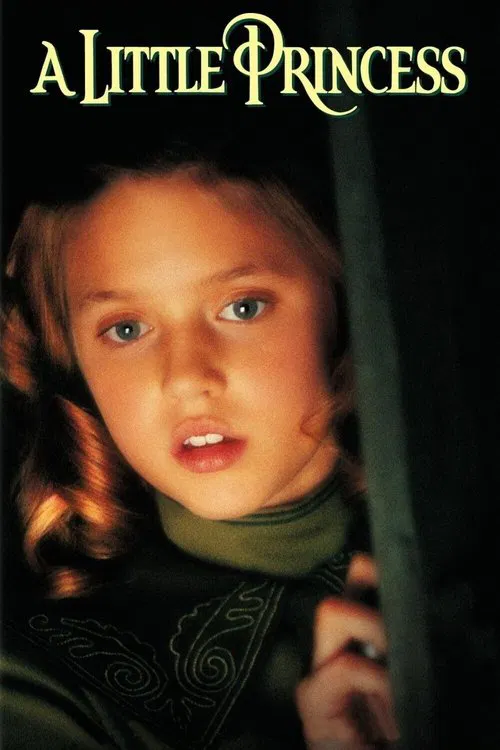
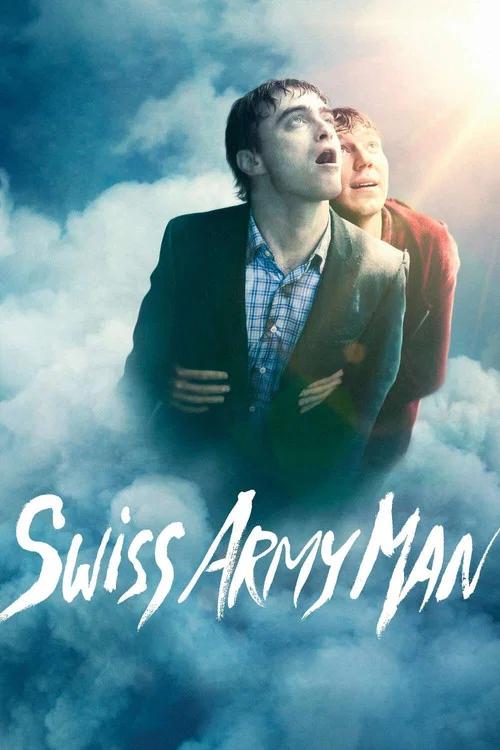
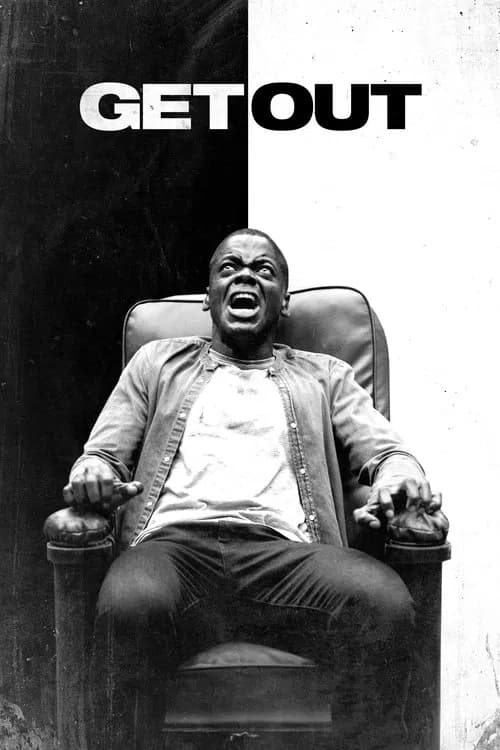
Films that share techniques with Tomboy include Portrait of a Lady on Fire (2019), A Little Princess (1995), Swiss Army Man (2016), Get Out (2017).