Psychology technique · used in 13 films

The Gaze

Paying attention to who is looking, who is being looked at and whose eyes the camera borrows. Looking becomes a form of power in the story.

Examples

13 films that use it

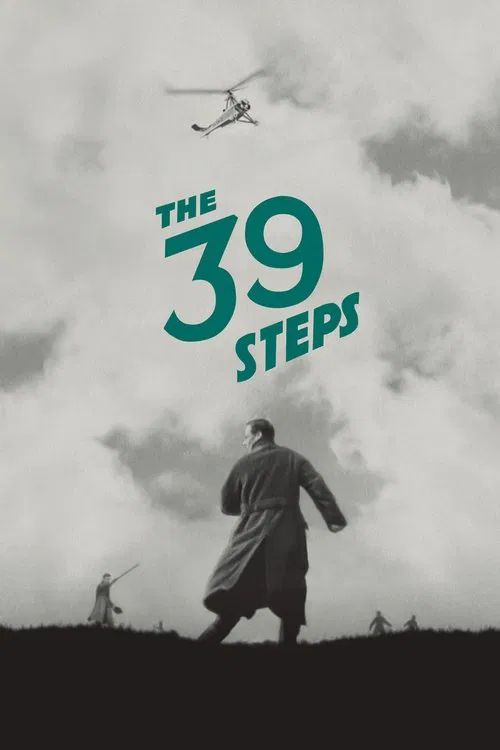
  1. The 39 Steps (1935) poster

    The 39 Steps

    Alfred Hitchcock · 1935

    At the crofter's house, the drama plays out almost entirely through looks. Hannay sees his own face in the newspaper and the young wife sees him reading it. Her jealous husband then catches them looking at each other. Each glance means something different to each person.

    Where to see it: Dinner at the crofter's cottage. The suspicious crofter watches his wife and Hannay trade glances over the newspaper at the table.
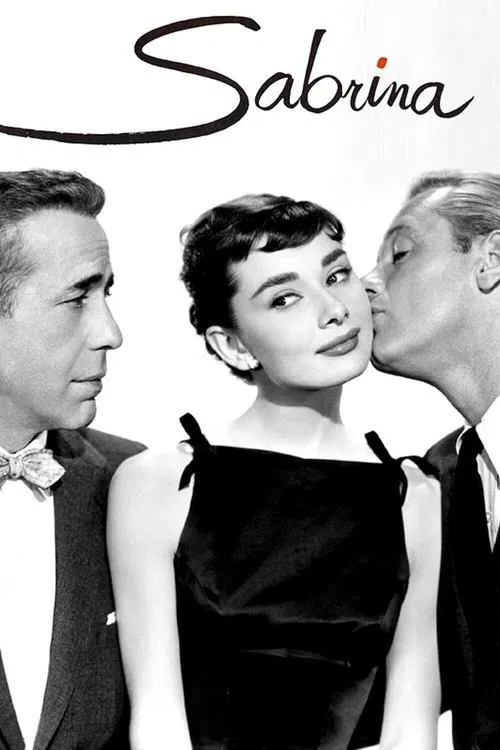
  2. Sabrina (1954) poster

    Sabrina

    Billy Wilder · 1954

    At first Sabrina watches David from the dark, unseen. After Paris, the looks go the other way, and he stares at a woman he does not know. Who looks, and who is looked at, tells you how much power each person has.

    Where to see it: Party eavesdrop: The night before she leaves for Paris, Sabrina watches and listens as David leads another woman into the dark indoor tennis court.

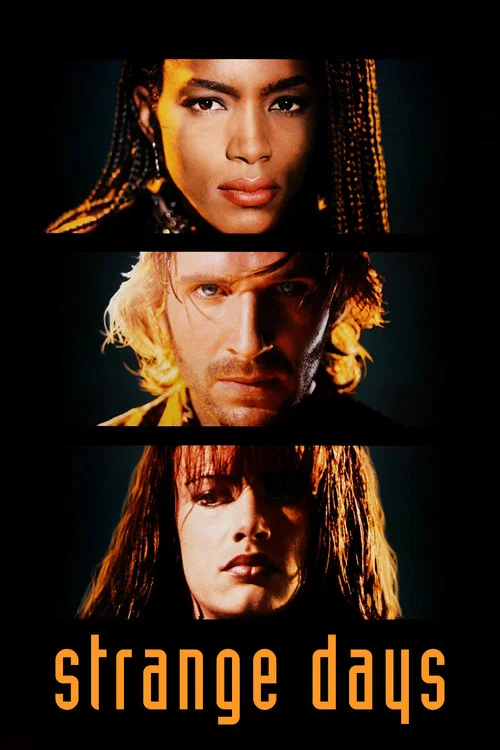
  3. Strange Days (1995) poster

    Strange Days

    Kathryn Bigelow · 1995

    In this world, looking is a product. People buy other people's memories to feel things they never lived. Lenny's job is to sell looks, and the film asks what it does to people to watch from inside someone else's skin.

    Where to see it: The clip of Iris: Lenny plays a disc and watches Iris's brutal murder, and the film asks you to look and to feel guilty for looking.

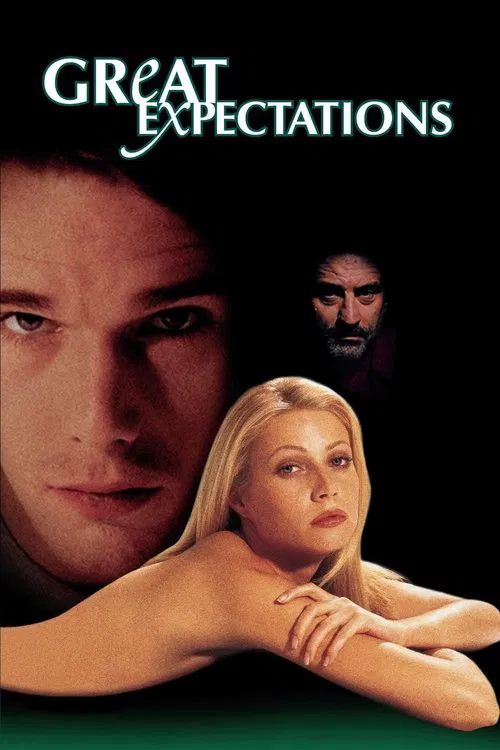
  4. Great Expectations (1998) poster

    Great Expectations

    Alfonso Cuarón · 1998

    Finn is a painter, so the film is all about him looking at Estella and her letting herself be looked at. She controls the looking, and that gives her the power. The portraits on screen were painted by the artist Francesco Clemente.

    Where to see it: The portrait session. Estella shows up at Finn's New York apartment and poses nude for him while he draws.

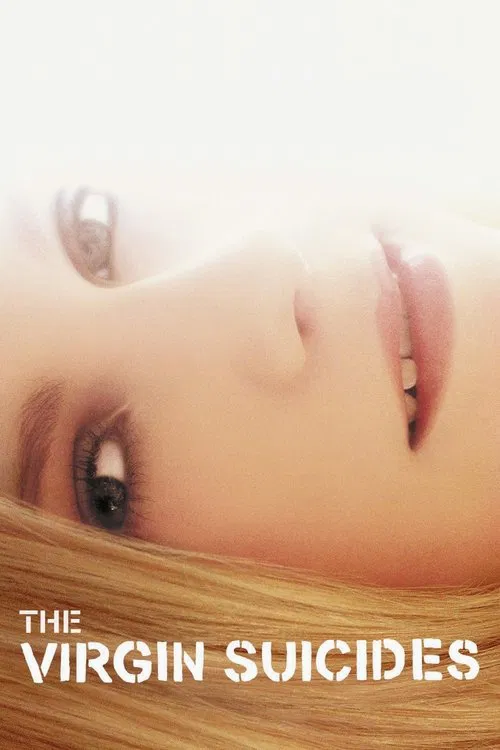
  5. The Virgin Suicides (2000) poster

    The Virgin Suicides

    Sofia Coppola · 2000

    Everything you see of the girls is what the boys see: from across the street, through windows and in rumors. Looking turns into a kind of obsession. The girls are never allowed to look back on their own terms.

    Where to see it: The boys watching the house. They follow the Lisbon girls as the parents tighten their watch.

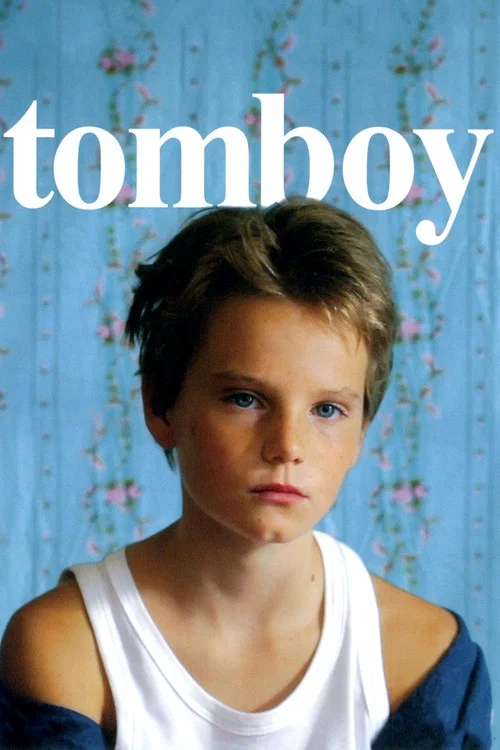
  6. Tomboy (2011) poster

    Tomboy

    Céline Sciamma · 2011

    The film is about who looks at whom. Lisa looks at Mickael with interest and the other boys look at Mickael with suspicion. When the boys make Lisa check whether Mickael is a girl, being looked at turns into being exposed.

    Where to see it: The woods. The other boys demand proof that Mickael is a boy, and Lisa reluctantly checks, which leaves Laure in tears.

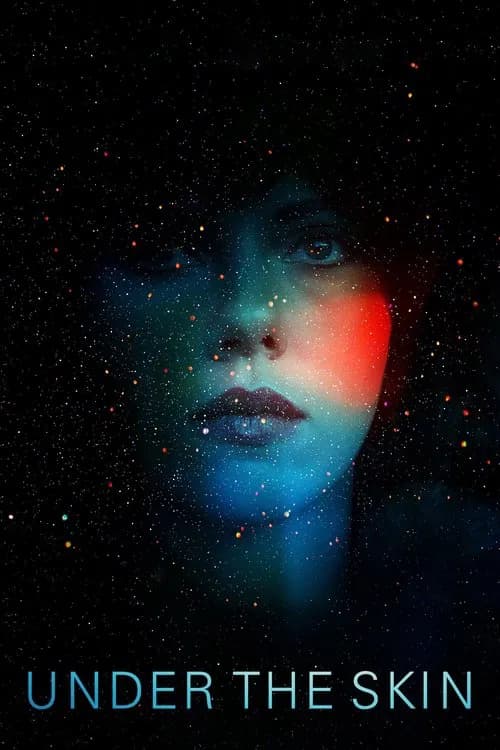
  7. Under the Skin (2013) poster

    Under the Skin

    Jonathan Glazer · 2013

    Glazer flips the conventions of the male gaze, where the camera looks at women the way a desiring man would. Here, the alien is the one who looks, studies and selects. The men are the ones turned into objects and consumed, and the camera sees through a female predator's eyes.

    Where to see it: The van sequences. Her face is shown studying the men she picks up. You would expect a seductress, and what you get is the cool attention of a scientist.

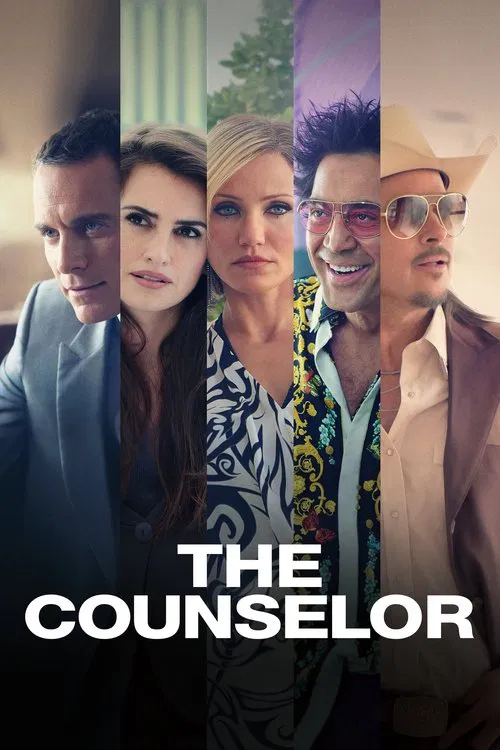
  8. The Counselor (2013) poster

    The Counselor

    Ridley Scott · 2013

    Reiner tells the Counselor about the day Malkina climbed onto the hood of his yellow Ferrari while he watched from inside the car. You see her the way Reiner does, dazed and not in control of the moment. Looking is a form of power here, and she decides what he gets to see.

    Where to see it: The Ferrari story: Reiner describes how Malkina got on the hood of his yellow Ferrari while he sat inside.

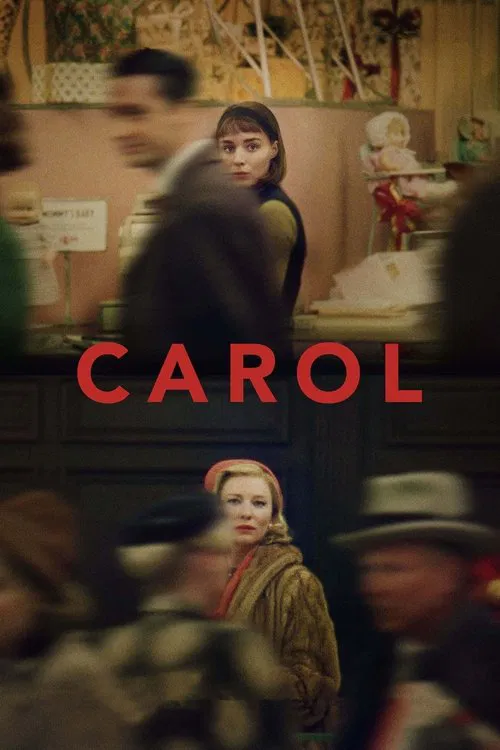
  9. Carol (2015) poster

    Carol

    Todd Haynes · 2015

    Haynes builds the film around looking. Therese is behind her camera, and Carol is seen through glass and at a distance. The women watch each other across rooms, so wanting someone and looking at them become the same act.

    Where to see it: The first meeting at the department store. Therese and Carol's eyes find each other across the counter. The look lasts a second longer than good manners allow.

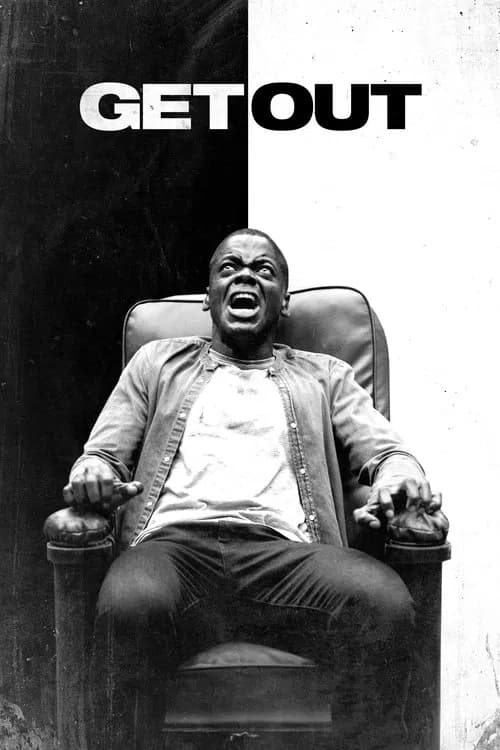
  10. Get Out (2017) poster

    Get Out

    Jordan Peele · 2017

    During the scenes of racial microaggression, Peele keeps putting the camera where Chris is. You end up feeling how exhausting it is to be watched, fetishized and treated as an outsider.

    Where to see it: The garden party scene. The guests inspect Chris and treat him like a product.

  11. Revenge (2017) poster

    Revenge

    Coralie Fargeat · 2017

    Early scenes make you notice who is watching Jen and how. She dances for the group, and the men look at her. Later the camera lets her look back, and the power changes sides.

    Where to see it: Night party: Jen dances, then dances with Stan. Later, Stan assaults her while Dimitri watches and does nothing.

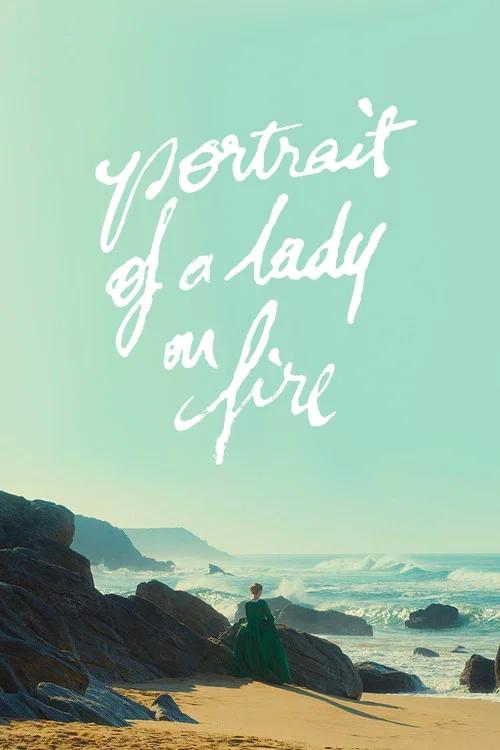
  12. Portrait of a Lady on Fire (2019) poster

    Portrait of a Lady on Fire

    Céline Sciamma · 2019

    Marianne is a portrait painter, so looking is the film's open subject from the first frame. She has to study Héloïse in secret at first and then openly. Héloïse starts as the one being looked at and becomes someone who looks back. All the erotic charge in the film comes from the shifting question of who is doing the looking.

    Where to see it: The first time Marianne and Héloïse hold each other's gaze. This is when the subject of the portrait starts to look back. The power of looking gets shared out between them.

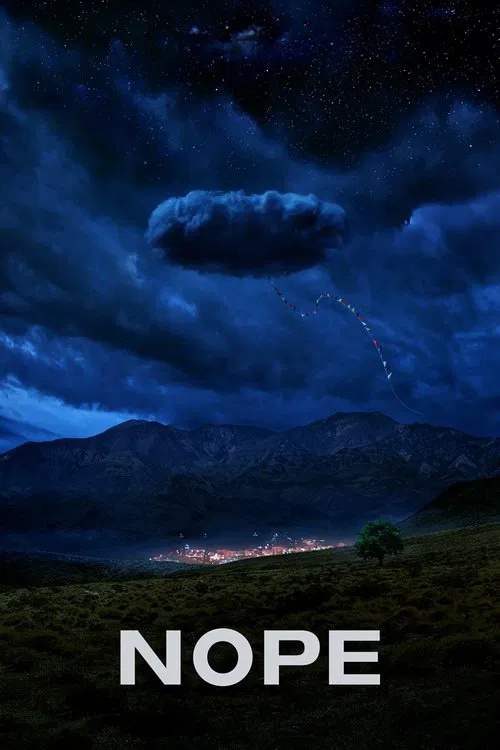
  13. Nope (2022) poster

    Nope

    Jordan Peele · 2022

    The creature, which the Haywoods name Jean Jacket, attacks whoever looks directly at it. Everyone in the film wants to film, watch or sell a spectacle. The film turns that urge to look into the thing that gets people killed.

    Where to see it: The Star Lasso Experience. Former child star Jupe gathers a crowd at his theme park to watch a show in the sky, and the creature swallows the whole audience.

Questions

Quick answers

What is the gaze in film?
Paying attention to who is looking, who is being looked at and whose eyes the camera borrows. Looking becomes a form of power in the story.
Which films use the gaze?
The 39 Steps (1935), Sabrina (1954), Strange Days (1995), Great Expectations (1998), The Virgin Suicides (2000), Tomboy (2011) and 7 more films in the CineCode library.
What kind of technique is the gaze?
It is a psychology technique. Related psychology techniques include others listed on the CineCode techniques page.