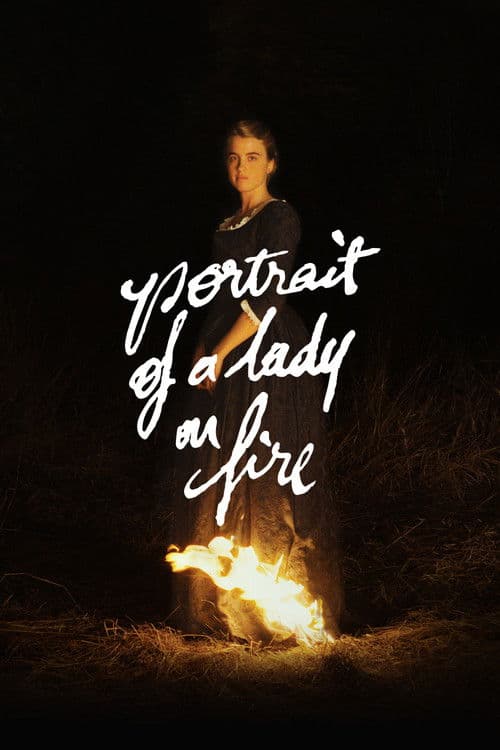
Portrait of a Lady on Fire
Céline Sciamma · 2019
A painter is commissioned to secretly produce a portrait of a reluctant noblewoman intended for a prospective husband — and the process of looking, of being looked at, becomes the structure of a love that convention will not permit. Céline Sciamma's film makes observation itself an erotic and political act.
Techniques Used
5 techniques identified in this film
The Gaze
PsychologyThe act of looking as a power relation — who looks, who is looked at, who controls the terms of visibility — used as a structural element of narrative and cinematography.
How this film uses it
Marianne's role as portraitist makes looking the film's explicit subject from its first frame. She must observe Héloïse secretly, then openly. Héloïse begins as object and becomes observer. The film's erotic charge is generated entirely through the shifting terms of who holds the gaze.
Strategic Silence
SoundThe deliberate removal of ambient sound, dialogue, or score — using silence as an active expressive choice rather than an absence.
How this film uses it
The film has almost no score for its entire runtime — extraordinary restraint in a period romance. Music appears exactly twice as a deliberate event: the beach fire scene and the final concert. The silence makes every sound the film produces structurally overwhelming.
Female Agency as Structural Default
NarrativeA narrative world in which women's interiority, desire, and decision-making are the structural center — not as political statement but as the condition of the story's possibility.
How this film uses it
The film contains virtually no men. Within the island estate, Marianne, Héloïse, the maid Sophie, and the mother occupy a world where female desire, friendship, and solidarity develop without male mediation. The agency is not argued for; it is simply the world the film inhabits.
Circular Structure
NarrativeReturning the film's ending to the territory of its beginning — using the repetition to measure what has been lost or gained across the narrative's duration.
How this film uses it
The film opens on an older Marianne teaching students, then returns us to the past. It ends on Héloïse's face at a concert — a face Marianne watches from a distance she cannot cross. The circle encloses a love that could not be kept, measuring the gap between remembered intimacy and present separation.
Earned Catharsis
NarrativeA climactic emotional release that the narrative has systematically built toward — feeling that arrives because the film has laid the necessary groundwork.
How this film uses it
The final shot of Héloïse at the concert — her face cycling through grief, joy, and remembrance as Vivaldi plays — is the film's catharsis: eighty minutes of controlled restraint released in a single sustained close-up. The catharsis is proportional to everything the film refused to release before this moment.
You Might Also Like
Films that share at least one technique with Portrait of a Lady on Fire

A fading American movie star and a young newlywed woman meet in a Tokyo hotel and form an unexpected connection that neither can fully name or act on. Sofia Coppola's film is about the specific texture of intimacy between strangers — the kind that only exists because it cannot last.
Lost in Translation
Sofia Coppola · 2003
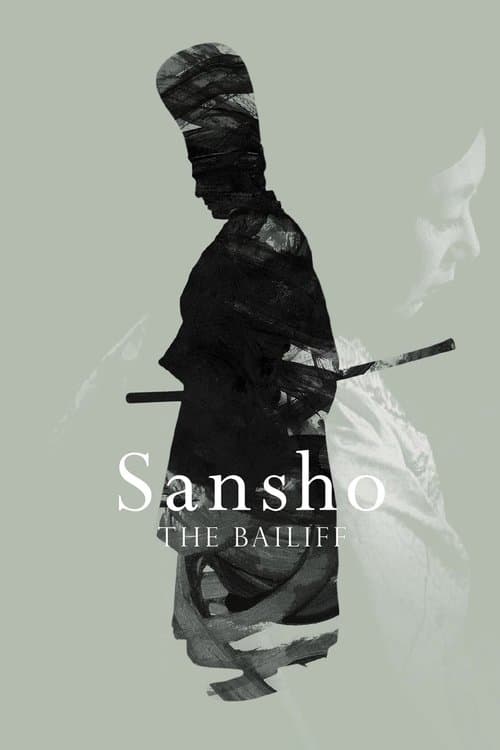
In medieval Japan, a noble governor's family is torn apart — the mother enslaved, the children sold to a brutal labor camp — where the son must choose between survival through accommodation and the principles his father taught him at the cost of his own freedom. Kenji Mizoguchi's film is one of cinema's most sustained and unbearable confrontations with institutional cruelty.
Sansho the Bailiff
Kenji Mizoguchi · 1954
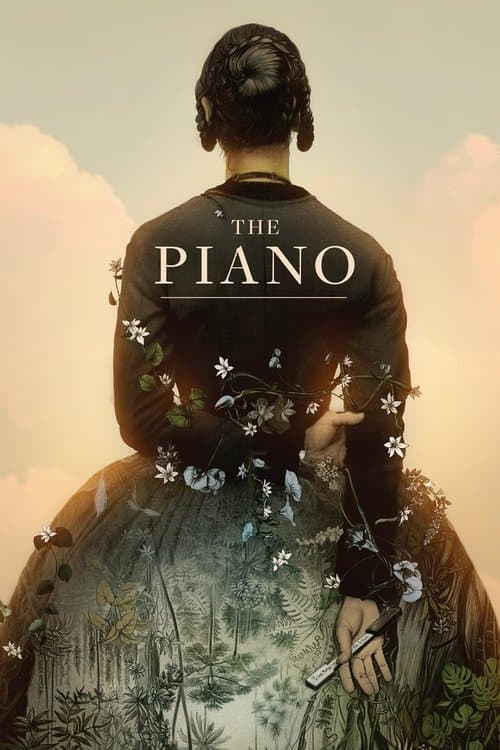
A mute Scottish woman arrives in colonial New Zealand with her young daughter and her beloved piano, only to find her instrument left on the beach by her new husband and traded to a neighboring man who offers to return it key by key in exchange for intimate contact. The film is a bold exploration of female desire and the language of objects.
The Piano
Jane Campion · 1993