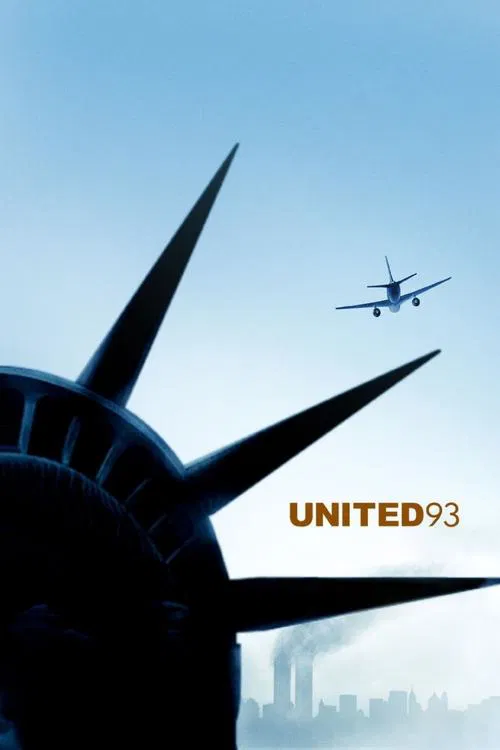
A real-time account of the morning of September 11, 2001, told from air traffic control rooms and the cabin of United Airlines Flight 93. Passengers learn about the other attacks by phone and decide to fight back. Watch how Greengrass keeps the camera close and the cast mostly unknown, so it feels like a record of that morning.
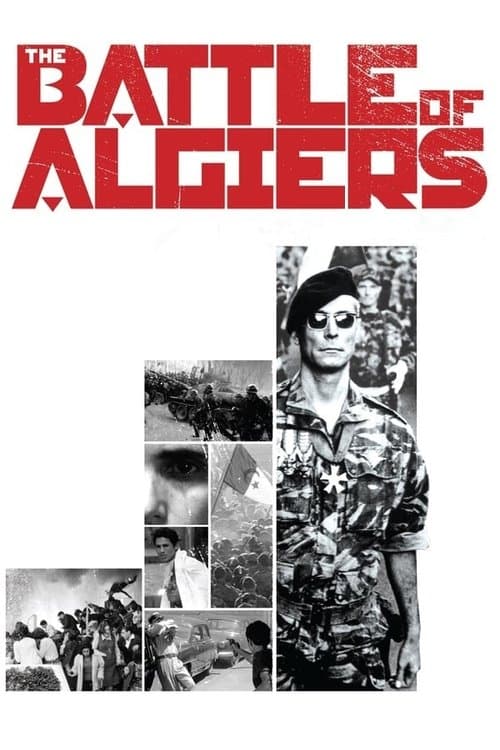
United 93 is a 2006 drama, thriller and history film directed by Paul Greengrass. This breakdown covers 5 techniques (1 cinematography, 3 narrative and 1 editing), each with the scene where you can see it. If you like how it is made, The Battle of Algiers uses several of the same techniques.
Shooting with a handheld camera so the frame shakes and moves with the action. This documentary-style look, called cinema vérité, puts you uncomfortably close to the character.
How this film uses it
Greengrass shot with handheld cameras inside a cramped set that was built to move like the real flight. The frame jolts and searches for the action, so you are packed in the aisle with the passengers. There are no calm, composed shots to step back into.
Where to see it
The cabin takeover. One hijacker claims to have a bomb, the others rise from their seats, and the camera pushes through the aisle with the panicking passengers.
Casting real people from the community being shown, such as workers and local residents, with no trained actors in those roles. Their looks and behavior feel true in a way acting can't copy.
How this film uses it
Several people play themselves or their own jobs. Ben Sliney, the FAA operations manager on duty that day, plays himself, and real air traffic controllers appear in the control rooms. Airline employees play some of the flight crew. They handle the equipment and the jargon the way people do after years of practice, and that makes the scenes feel like documentary.
Where to see it
The air traffic control scenes. Controllers realize Flight 11 has been hijacked, and the news that it has hit the World Trade Center spreads through the room.
Letting the audience know something a character doesn't. You watch them act without that knowledge, which creates suspense, dread or dark comedy.
How this film uses it
You know how the day ends, and the people on screen do not. The film uses that gap from the first scene, when the hijackers pray in a hotel and the passengers check in for a routine flight. Small, ordinary moments such as a rushed boarding or a late start feel heavy.
Where to see it
The boarding at Newark. Mark Bingham gets on just before the doors close, and the hijackers sit among the other passengers.
Alternating between simultaneous lines of action in different places or worlds. The cuts build suspense or draw a comparison between the threads.
How this film uses it
The film keeps cutting between the ground and the plane. In control rooms, people try to understand what is happening in the sky. On the plane, passengers know nothing until their phone calls arrive. The two halves never meet, and that separation builds the tension.
Where to see it
The passengers' phone calls. While controllers keep tracking the plane, passengers learn from relatives that other planes have hit the World Trade Center and the Pentagon.
Dropping a normal citizen with no special training into a conspiracy or crime. You identify with them because they are as unprepared as you would be.
How this film uses it
The people who fight back are not soldiers or agents. They are passengers with nothing to go on but a few phone calls. Greengrass shows them working it out step by step and arguing over what to do, so the choice to charge the cockpit feels like something real people would arrive at.
Where to see it
The planning at the back of the cabin. Tom Burnett gathers the able-bodied men to plan a counterattack, and Todd Beamer says "Let's roll" as the passengers charge.
Questions
United 93: quick answers
What filmmaking techniques does United 93 use?
CineCode breaks down 5 techniques in United 93 (2006): Handheld Cinema Vérité, Non-Professional Cast Authenticity, Dramatic Irony, Parallel Crosscutting and Ordinary Person in Extraordinary Plot.
Who directed United 93?
Paul Greengrass directed United 93, released in 2006. CineCode also covers The Lost Bus (2025).
What films are similar to United 93?
Films that share techniques with United 93 include The Battle of Algiers (1966), Nomadland (2020), The Florida Project (2017), Winter's Bone (2010).