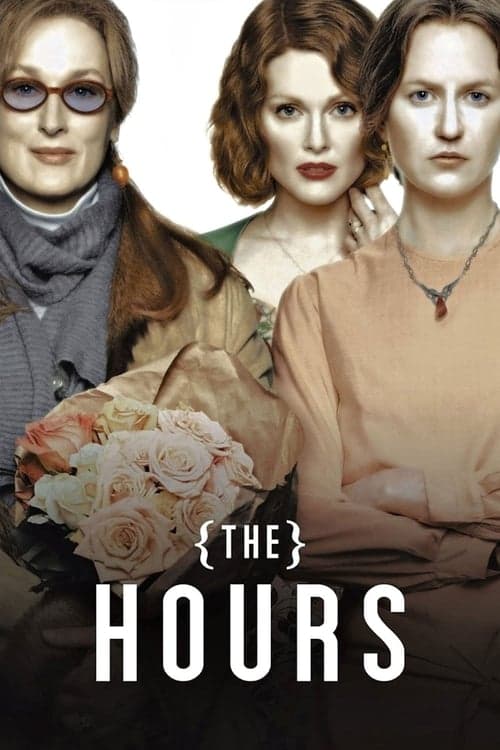
The Hours
Stephen Daldry · 2002
Three women in different eras — Virginia Woolf writing Mrs. Dalloway in 1923, a 1950s Los Angeles housewife reading it, and a contemporary New York woman living it — are linked by a single day, a single novel, and the weight of choosing how to live. The film is a meditation on mortality, creativity, and quiet desperation.
Techniques Used
4 techniques identified in this film
Parallel Chronology
NarrativeA narrative structure that interweaves storylines set in different time periods, allowing thematic rhymes and contrasts to emerge from juxtaposition rather than direct connection.
How this film uses it
Daldry and David Hare cut between 1923, 1951, and 2001 in a rhythm governed by emotional logic rather than plot — a sound, a gesture, or a state of mind bridging decades.
Braided Thread Motif
EditingThe use of a repeated visual or narrative element across multiple storylines that creates thematic unity through recurrence.
How this film uses it
Flowers — bought, arranged, given, and mourned — weave through all three storylines as a recurring symbol of life's beauty and its relationship to death.
Deliberate Close-Up Performance
CinematographyExtended use of tight facial framing to capture micro-expressions, making the audience hyper-aware of suppressed emotion.
How this film uses it
Daldry's camera frames all three lead actresses — Kidman, Moore, and Streep — in intimate close-up at the moments of their characters' private crisis, making internal states legible without dialogue.
Physical Transformation as Arc
NarrativeThe use of visible changes to an actor's physical appearance — prosthetics, weight changes, aging — to signal psychological transformation across a character's arc.
How this film uses it
Nicole Kidman's prosthetic nose as Virginia Woolf is not merely cosmetic — it externalizes Woolf's self-alienation and her awareness of being observed, a physical argument about the cost of genius.
You Might Also Like
Films that share at least one technique with The Hours
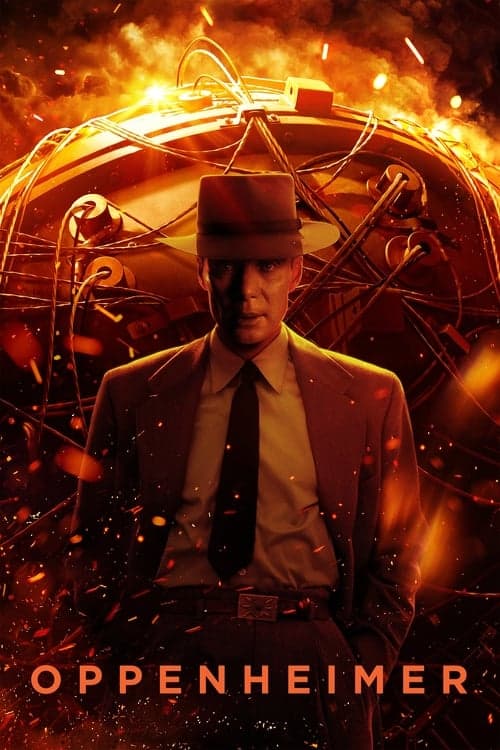
The story of J. Robert Oppenheimer — the American physicist who led the Manhattan Project — told through the interleaved threads of his scientific triumph and his political destruction. Christopher Nolan's film is both a spectacle of creation and a meditation on what it means to build something the world was never meant to survive.
Oppenheimer
Christopher Nolan · 2023
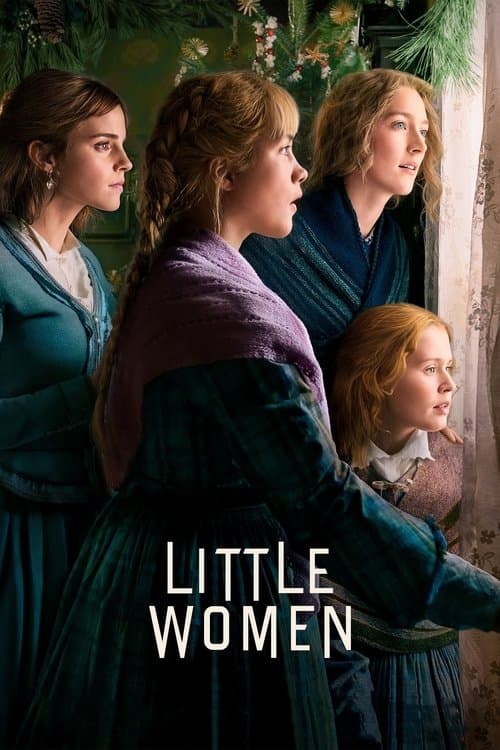
Gerwig's adaptation of Louisa May Alcott's novel interweaves two timelines of the March sisters' lives — the warm childhood past and the harder adult present — using the gap between them to reveal how memory and loss shape the stories we tell about ourselves.
Little Women
Greta Gerwig · 2019
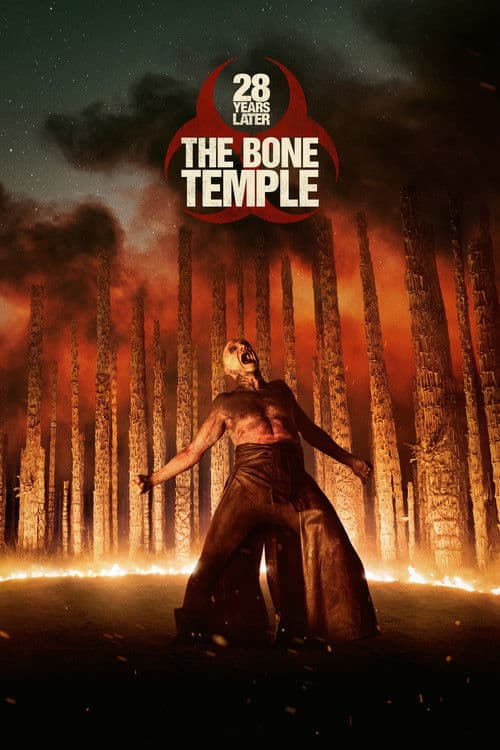
In a Britain ravaged by the Rage virus, a young survivor is captured by a roving Satanic cult while a scientist makes an unprecedented connection with an infected host. Written by Alex Garland, directed by Nia DaCosta — a sequel that deliberately dismantles the visual grammar of its predecessor.
28 Years Later: The Bone Temple
Nia DaCosta · 2026