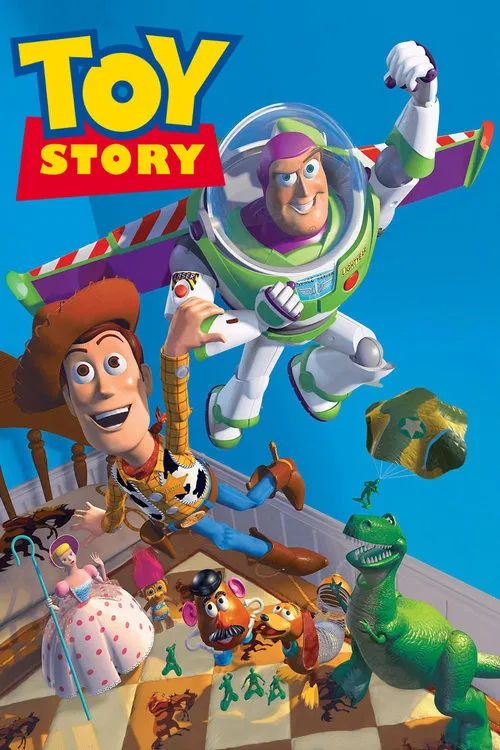
A new toy threatens a proud cowboy doll's place as a child's favorite, and the cowboy is forced into an unlikely alliance with his rival. It is the first feature film animated entirely by computer. Underneath, it runs on a deep fear of being replaced and no longer needed.
Toy Story is a 1995 animation, comedy and adventure film directed by John Lasseter. This breakdown covers 5 techniques (2 cinematography, 1 narrative, 1 psychology and 1 sound), each with the scene where you can see it. If you like how it is made, Cars uses several of the same techniques.
Placing the camera low or shrinking a character so ordinary objects become huge. Furniture, vents and hands turn into looming landscapes and obstacles.
How this film uses it
Pixar keeps the camera low, near toy level, which makes Andy's bedroom feel enormous and threatening. When Buzz first arrives, you see him from below. You understand how big he is next to Woody from where the camera sits, with no dialogue needed.
Where to see it
Buzz Lightyear's arrival. Woody looks up at the new toy towering above him.
Pairing 2 lead characters who can't stand each other. Their clashing causes every conflict in the plot, and the moment they finally team up is the emotional climax.
How this film uses it
Woody and Buzz are designed as opposites (analog vs. digital, insecure vs. confident, old vs. new). Every beat of the plot comes from how badly they fit together. For the film to end well, they have to combine their opposite strengths in a single escape.
Where to see it
The Pizza Planet sequence. The 2 enemies are forced to cooperate while each is still trying to undermine the other.
Centering a character's fear of being unimportant, replaced or left behind. Their pursuit of rank, success or recognition shows how fragile their self-worth is.
How this film uses it
What terrifies Woody is losing his sense of who he is. His whole identity is being Andy's favorite. So when Buzz arrives, it means the Woody he thought he was no longer exists. The toy competition and the rivalry are the smaller part of it.
Where to see it
Woody watching Buzz receive all the attention. The toys look away from him for the first time.
Making images entirely by computer and tuning the surfaces, lighting and focus to look like live-action photography. At its best, you can't tell what was filmed and what was rendered.
How this film uses it
Pixar's RenderMan software simulated light bouncing off plastic, fabric and wood more accurately than anything before it. The lighting in Andy's room changes with the time of day, shadows fall correctly and textures seem to have real weight. This set the visual standard that every CGI film since has either followed or pushed against.
Where to see it
The opening in Andy's bedroom. The carpet texture, the window light and the toy surfaces look photographed, with nothing of a drawing about them.
Writing songs for the film that carry story, feeling or payoff. Characters burst into music or a theme song resolves the plot.
How this film uses it
'You've Got a Friend in Me' states the film's main idea before the story has begun. 'Strange Things' describes Woody losing his status as it happens. 'I Will Go Sailing No More' gives Buzz the film's most devastating emotional moment. Newman ends up as a second narrator.
Where to see it
'Strange Things' playing as Buzz replaces Woody in Andy's affections. The song says what Woody cannot.
Questions
Toy Story: quick answers
What filmmaking techniques does Toy Story use?
CineCode breaks down 5 techniques in Toy Story (1995): Miniature Scale Perspective, Buddy Rivalry Structure, Status and Self-Worth Anxiety, Photorealistic CGI Pioneering and Original Songs as Narrative.
Who directed Toy Story?
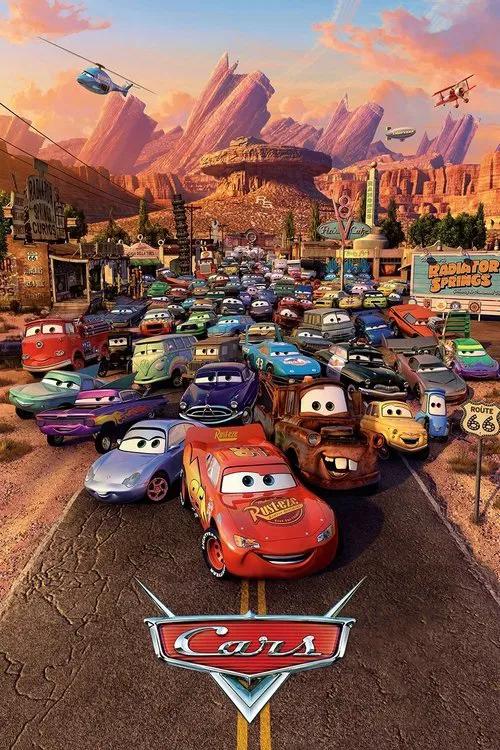
John Lasseter directed Toy Story, released in 1995. CineCode also covers Cars (2006).
What films are similar to Toy Story?
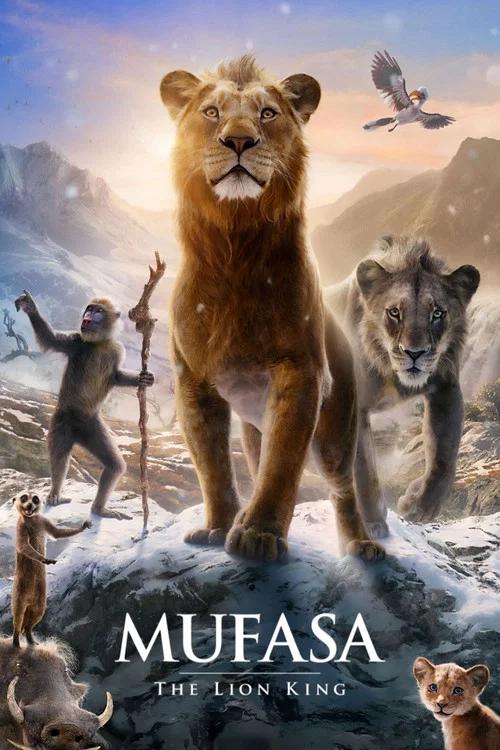
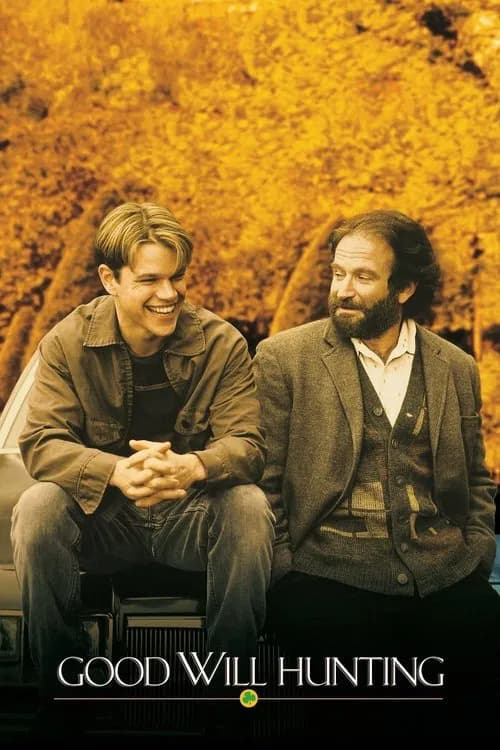
Films that share techniques with Toy Story include Cars (2006), Mufasa: The Lion King (2024), Your Name (2016), Good Will Hunting (1997).