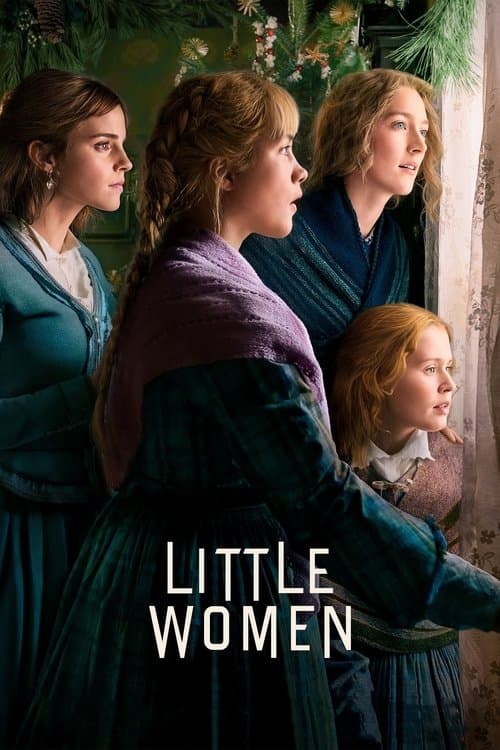
Little Women
Greta Gerwig · 2019
Gerwig's adaptation of Louisa May Alcott's novel interweaves two timelines of the March sisters' lives — the warm childhood past and the harder adult present — using the gap between them to reveal how memory and loss shape the stories we tell about ourselves.
Techniques Used
4 techniques identified in this film
Parallel Chronology
NarrativeA narrative structure that interweaves storylines set in different time periods, allowing thematic contrasts to emerge from juxtaposition.
How this film uses it
Gerwig cuts freely between the sisters' girlhood and their adult lives without title cards, using color temperature — warm amber for the past, cool blue-grey for the present — to orient the audience while the emotional logic drives the cutting.
Female Agency as Structural Default
NarrativeA narrative structure in which women's inner lives, choices, and desires are treated as the primary engine of the plot rather than a secondary concern.
How this film uses it
Gerwig recenters the adaptation entirely on the sisters' ambitions, creative lives, and desires — the men are secondary to a story about what women want and what the 19th century permitted them to have.
Period Color Separation
CinematographyThe use of distinct color palettes to separate different time periods, lending each era its own emotional temperature.
How this film uses it
Yorick Le Saux's photography uses firelight amber and saturated warmth for the childhood sequences, cold light and desaturated grey for the adult present — making the past feel emotionally true to memory even as the present is more honest.
Braided Thread Motif
EditingThe use of a repeated visual or narrative element across multiple storylines that creates thematic unity through recurrence.
How this film uses it
The motif of writing — Jo's manuscripts, Alcott's published pages, Amy's art — weaves through both timelines as a recurring symbol of the sisters' need to make something that will last.
You Might Also Like
Films that share at least one technique with Little Women
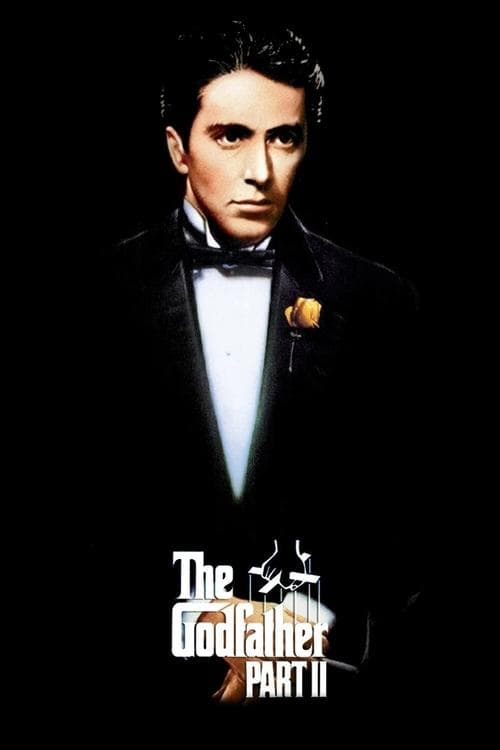
Michael Corleone consolidates and expands his criminal empire while the film intercuts with the origin story of his father's rise from Sicilian orphan to New York patriarch. A sequel that is simultaneously a parallel tragedy — the American Dream as a machine that devours what it builds.
The Godfather Part II
Francis Ford Coppola · 1974
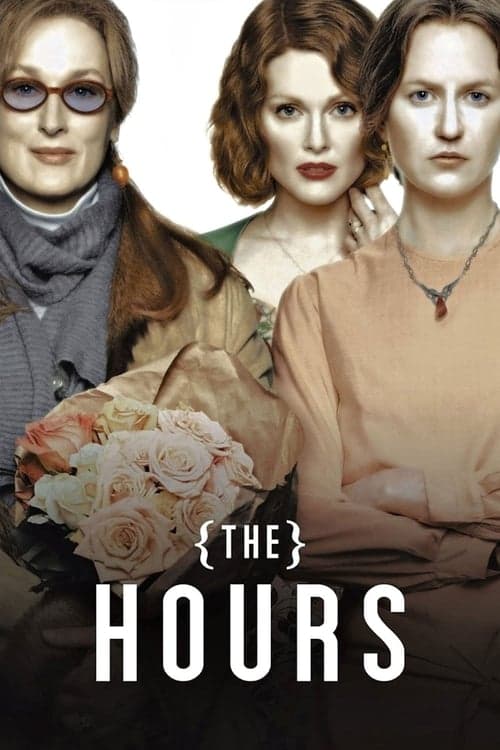
Three women in different eras — Virginia Woolf writing Mrs. Dalloway in 1923, a 1950s Los Angeles housewife reading it, and a contemporary New York woman living it — are linked by a single day, a single novel, and the weight of choosing how to live. The film is a meditation on mortality, creativity, and quiet desperation.
The Hours
Stephen Daldry · 2002
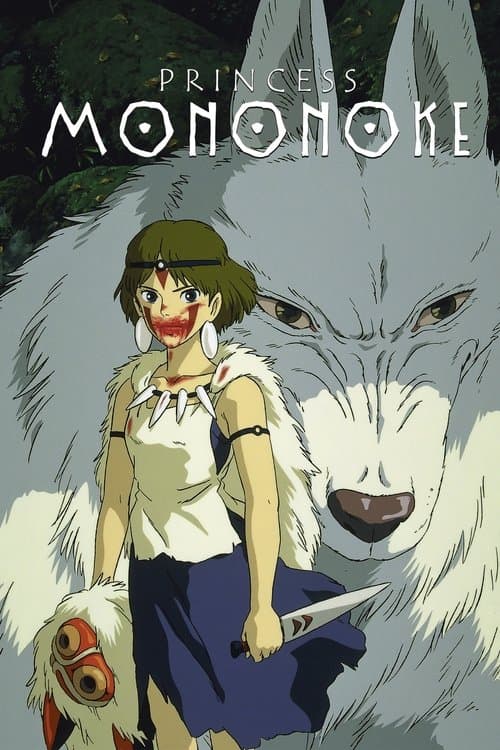
A young warrior prince becomes entangled in a war between a human mining colony and the ancient gods of the forest, and refuses to take a side. A film about industrialization, ecology, and the tragedy of irreconcilable necessities — the first Miyazaki film with no clear villain.
Princess Mononoke
Hayao Miyazaki · 1997