WALL-E
Andrew Stanton · 2008
A small waste-compacting robot left alone on an abandoned Earth falls in love with a reconnaissance drone and inadvertently sparks humanity's return home. A film that spends its first thirty minutes as a silent comedy before becoming a critique of consumerism and environmental collapse.
Techniques Used
4 techniques identified in this film
Dialogue-Free Opening Act
NarrativeSustaining a film's entire first act without dialogue — relying entirely on visual storytelling, sound design, and performance to establish character, world, and emotion.
How this film uses it
WALL-E's first twenty-seven minutes contain almost no dialogue. Stanton establishes a complete character, a complete world, and a complete emotional situation — loneliness, curiosity, love — through purely visual means. The silence is both a formal achievement and a thematic statement about what survives when language fails.
Silent Comedy Homage
CinematographyDrawing on the physical comedy traditions of silent cinema — Chaplin's pathos, Keaton's precision — and applying their grammar to a new medium and context.
How this film uses it
WALL-E is explicitly Chaplin's Little Tramp in robot form: small, earnest, in love with something beyond his station, enduring the world's indifference with dignity and humor. Stanton studied silent comedy extensively, and the robot's expressive range — created entirely through eye movement and physical gesture — is a tribute to that tradition.
Cinematographic Animation Consultation
CinematographyBringing a live-action cinematographer into the animation process as a visual consultant, using their lens choices, depth of field decisions, and lighting approach to give an animated film the optical properties of photographed reality.
How this film uses it
Roger Deakins served as visual consultant, advising on lens behavior, depth of field, and lighting approach. The film's cinematography — the shallow focus on WALL-E's eyes, the lens flares, the grain of the post-apocalyptic Earth sequences — was designed to feel photographed rather than rendered.
Environmental Satire
NarrativeUsing a science fiction scenario — a plausible extrapolation of present trends — to critique contemporary consumer behavior without direct argument, letting the extrapolated future speak for itself.
How this film uses it
The Axiom sequences don't argue that consumerism is destroying the planet — they show a world in which it already has. The obese, screen-absorbed humans on hover-chairs surrounded by corporate branding are a comic exaggeration of present trends designed to be recognized rather than argued.
You Might Also Like
Films that share at least one technique with WALL-E
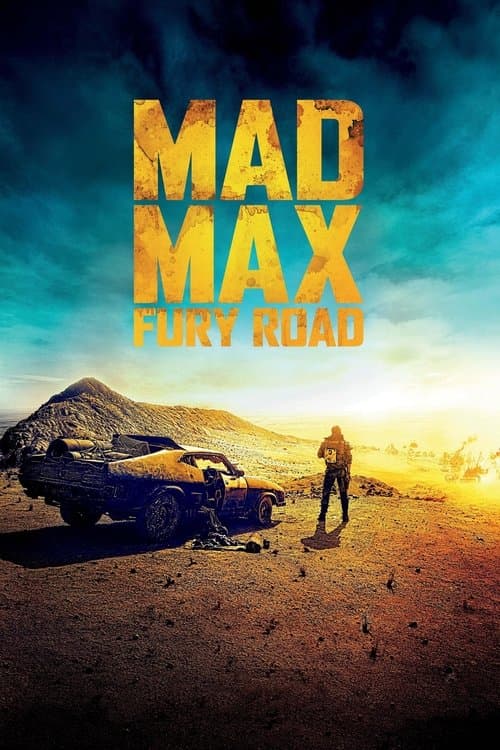
In a post-apocalyptic wasteland, Imperator Furiosa attempts to smuggle the warlord Immortan Joe's wives to freedom while Max Rockatansky — captive, feral — becomes an unlikely ally. A two-hour chase film that is also, formally, one of the most precisely edited action films ever made.
Mad Max: Fury Road
George Miller · 2015
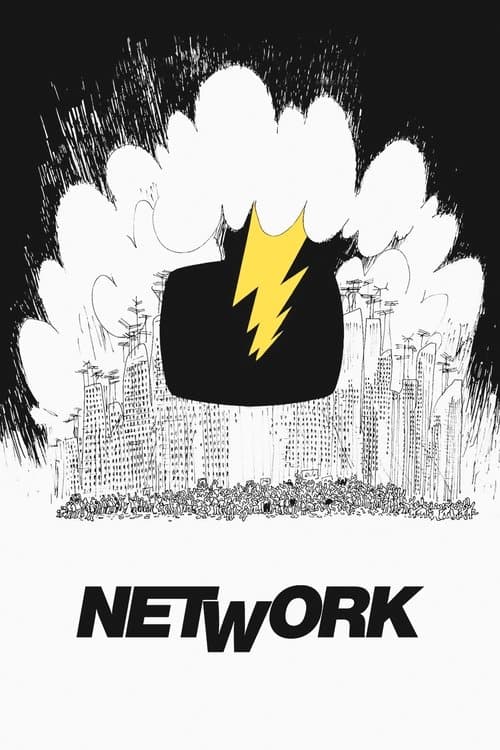
When veteran news anchor Howard Beale has a breakdown on live television and announces he will kill himself on air, ratings soar — and the network decides to turn a disturbed man into a prophet for profit. Paddy Chayefsky's furious satire of television predicted every development in media culture that followed it.
Network
Sidney Lumet · 1976
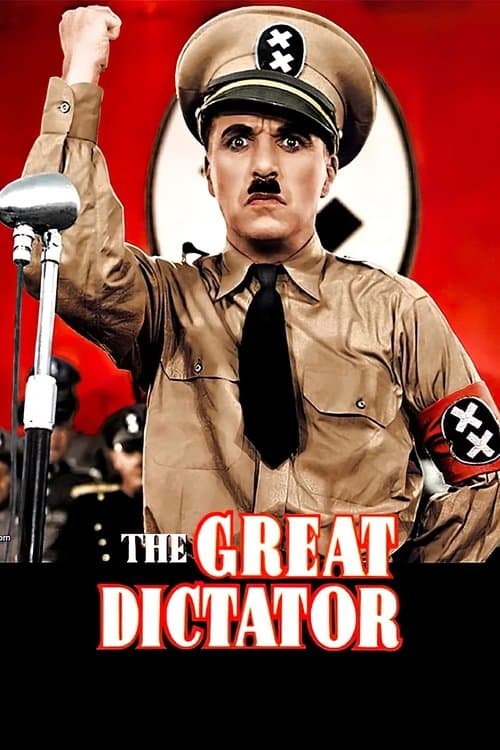
A Jewish barber and the dictator of Tomania — who happens to look exactly like him — are confused for each other, with the barber accidentally ending up before a stadium of fascists and delivering a speech for peace. Chaplin's first sound film is simultaneously his funniest and his most explicitly political — a direct attack on Hitler made while the world was still uncertain whether to fight.
The Great Dictator
Charlie Chaplin · 1940