Thriller · Mystery · Crime

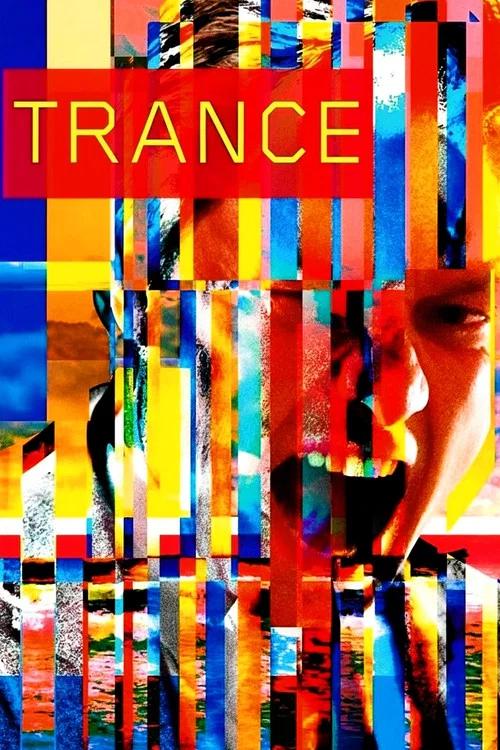
Trance

Danny Boyle, 2013

An auctioneer helps thieves steal a famous painting, then wakes up with amnesia and cannot remember where he hid it. The gang hires a hypnotherapist to dig it out of his head. It is a thriller about what you can trust, and every reveal changes the scenes before it.

Trance (2013) poster

At a glance

Trance is a 2013 thriller, mystery and crime film directed by Danny Boyle. This breakdown covers 4 techniques (1 psychology, 2 narrative and 1 editing), each with the scene where you can see it. If you like how it is made, Oldboy uses several of the same techniques.

Psychology

Unreliable Reality

Keeping it unclear what is real and what is imagined in the film's world. You end up as unsure as the main character.

How this film uses it

Simon's memory is damaged, and the hypnosis sessions blur what really happened with what Elizabeth puts in his head. In 1 session she builds an invented scenario where Franck wants to kill him. You stop knowing which memories belong to Simon.

Where to see it

The fake-threat session. Elizabeth hypnotizes Simon with an invented story that Franck wants him dead, and it pushes him to reveal where the painting is.
Narrative

Retroactive Reframing Revelation

Saving a reveal for the climax that changes the meaning of every scene before it. You have to rebuild the whole film in your head with the new knowledge.

How this film uses it

The big reveal comes late, during a car ride. Elizabeth tells Simon they were once lovers, that he became obsessive and abusive, and that she used hypnosis to make him forget. Many earlier scenes now look different.

Where to see it

The drive to the warehouse. Elizabeth tells Simon about their past and what she did to his memory.

Editing

Fractured Memory Editing

Cutting between the present and scattered, out-of-order flashbacks, the way a painful memory comes back in pieces. You put the backstory together as the character remembers it.

How this film uses it

Simon's past returns in pieces under hypnosis. He recalls the gambling debts that pulled him into the plan, then cutting the painting from its frame and hiding it in his suit. You assemble the story at the same speed he does.

Where to see it

The hypnosis sessions. Simon remembers the debts and the moment he cut the painting from its frame.

Narrative

Antagonist-Scripted Protagonist

Revealing that the villain planned everything the hero did from the start, including the investigation, the choices and the apparent wins. The hero's freedom turns out to be an illusion.

How this film uses it

Simon thinks Elizabeth is helping him. In the last scene you learn she hypnotized him to steal the painting as payback, so his choices were planted. Franck then gets her video and has to decide between chasing her and erasing his own memory with an app.

Where to see it

The final video. Franck receives an iPad message from Elizabeth, who now has the painting, and can hunt her or wipe his memory.

Questions

Trance: quick answers

What filmmaking techniques does Trance use?
CineCode breaks down 4 techniques in Trance (2013): Unreliable Reality, Retroactive Reframing Revelation, Fractured Memory Editing and Antagonist-Scripted Protagonist.
Who directed Trance?
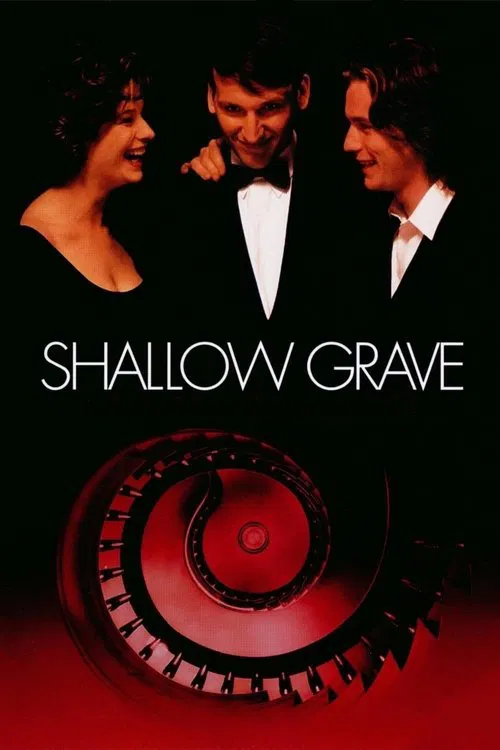
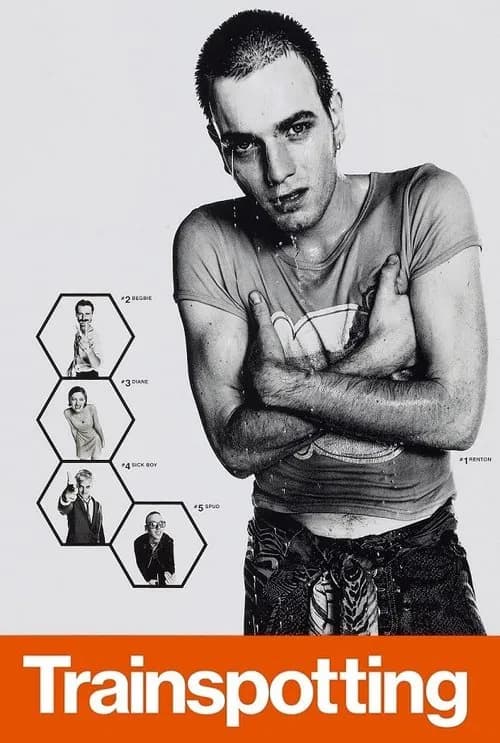
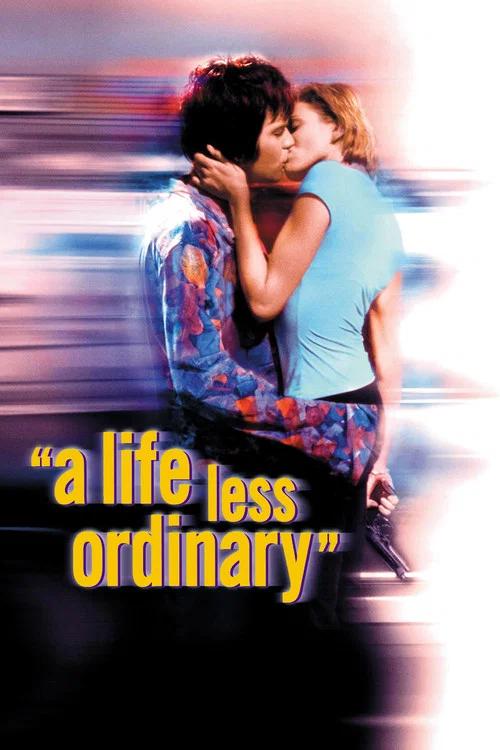
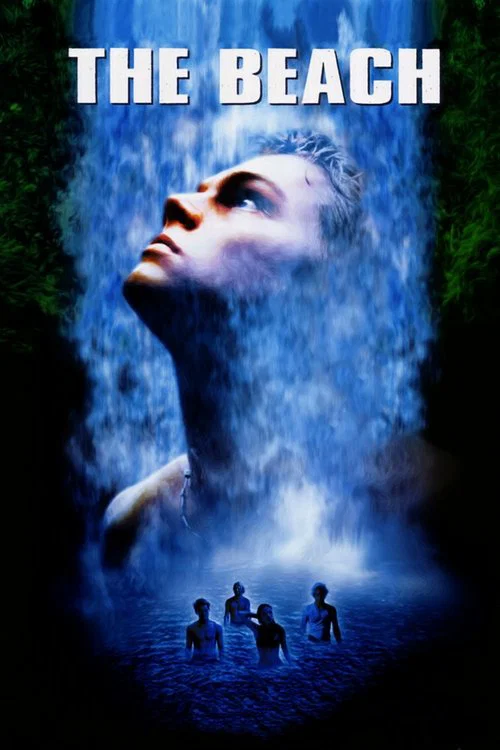
Danny Boyle directed Trance, released in 2013. CineCode also covers Shallow Grave (1994), Trainspotting (1996), A Life Less Ordinary (1997), The Beach (2000), 28 Days Later (2002), Sunshine (2007).
What films are similar to Trance?
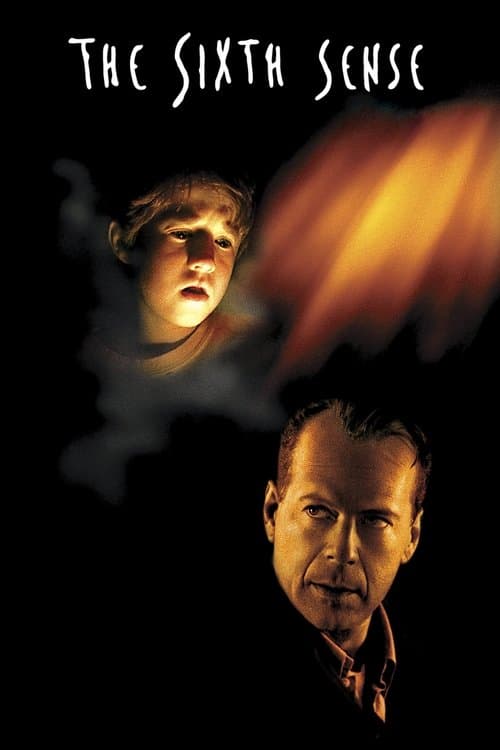
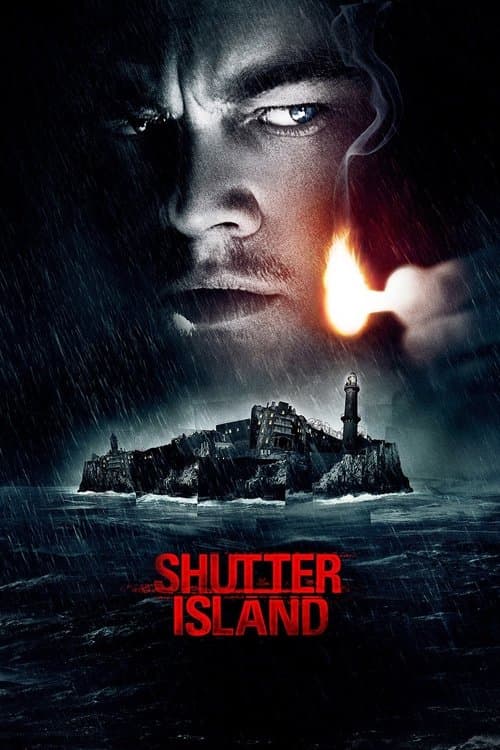
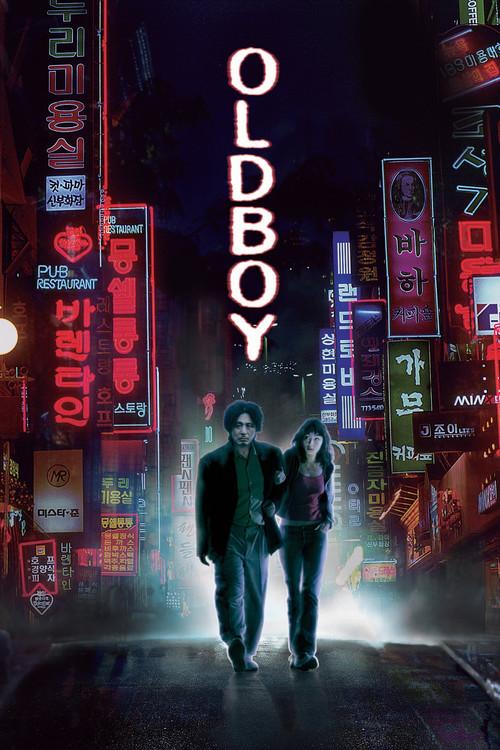
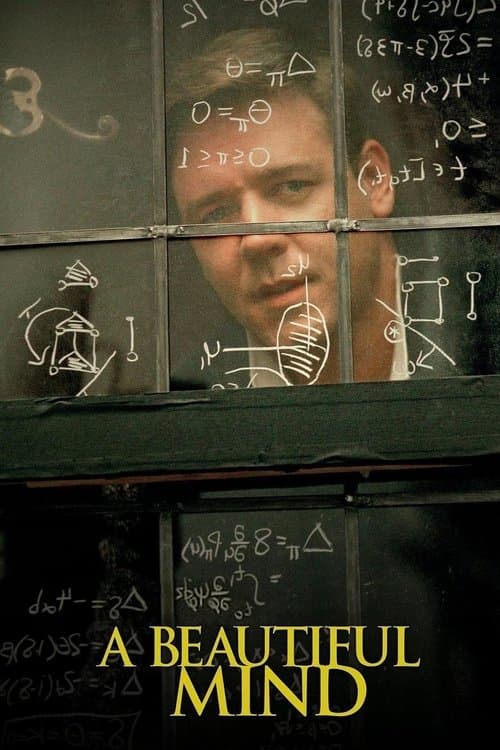
Films that share techniques with Trance include Oldboy (2003), A Beautiful Mind (2001), The Sixth Sense (1999), Shutter Island (2010).