Chekhov's gun: setup and payoff
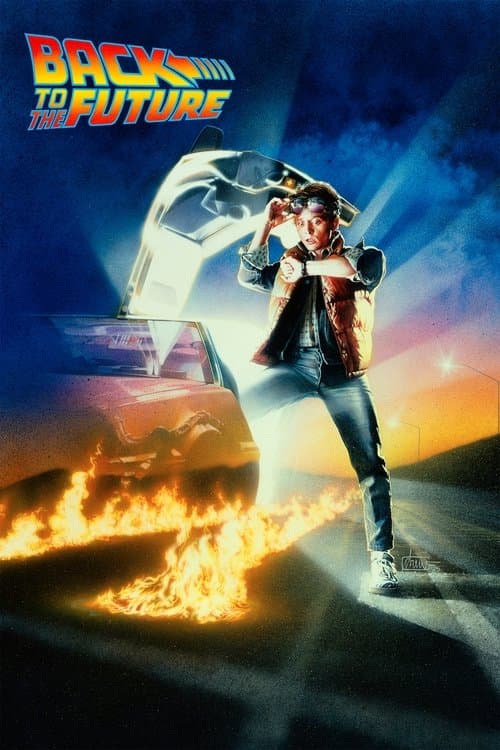
Back to the Future (1985) is the cleanest example I know of. The DeLorean, the clock tower, the 88mph rule, the photograph and Marty's guitar playing all come up casually in the first hour. Then the lightning-strike sequence uses pretty much all of them at once. On a rewatch, you can tick them off as they come in.
The film also repeats things in pairs. The Twin Pines Mall at the start becomes the Lone Pine Mall at the end. Marty's failed band audition gets echoed when he plays the Enchantment Under the Sea dance. Each one is a small reward for paying attention.
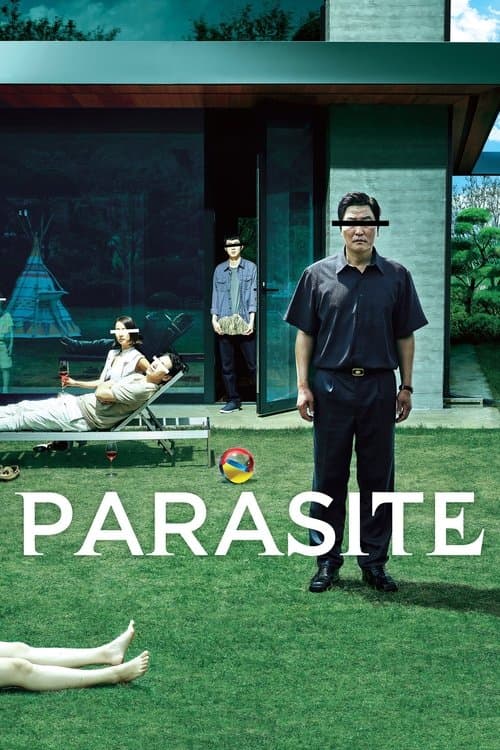
Parasite (2019) does the same thing with darker results. The Scholar's Rock, the garden, the Morse code light and the smell all show up early as small details. Every one of them comes back with serious consequences at the garden party in the finale.
Objects that warn you about a death
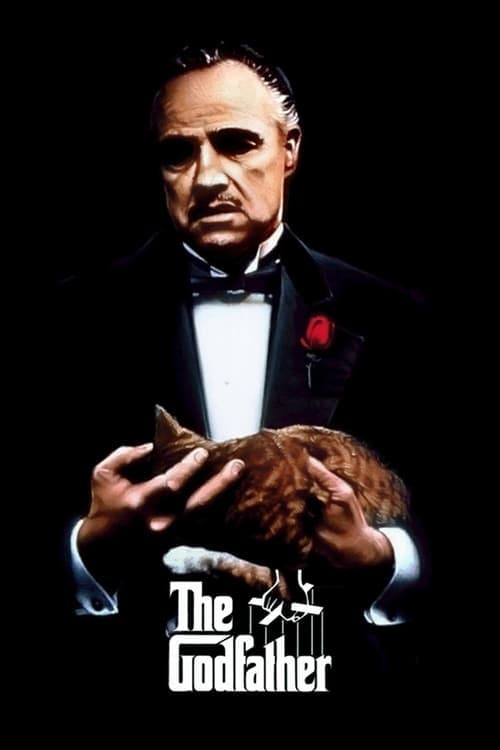
Some foreshadowing is meant for you alone. The characters never notice it. The Godfather (1972) keeps putting oranges near death. Vito is reaching for oranges at the fruit market right before the gunmen appear. They're in the meeting room before Sonny is murdered, and there's a bowl of them beside the Don when he dies in the garden. Nobody in the film ever points them out.
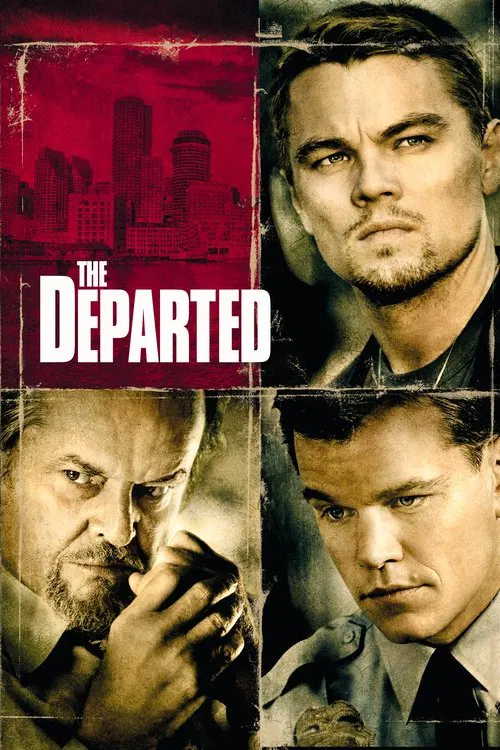
The Departed (2006) hides X shapes in tile patterns, window frames and parts of buildings near characters who are going to die. Look at the background of the elevator scene before the shootings. It's the kind of thing you only catch on a second viewing.
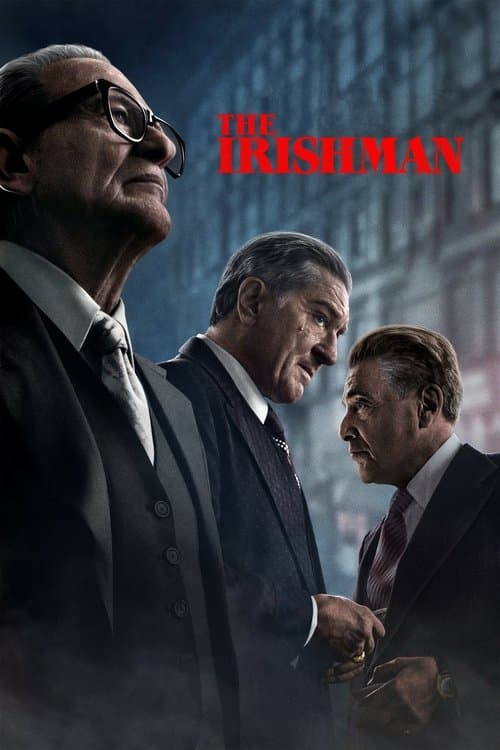
The Irishman (2019) drops the subtlety. When the film introduces some of its men, a short text card tells you how and when each one will die, sometimes before he's finished speaking. After that, every handshake and conversation feels heavier.
Symbolic objects that come back
A symbolic object keeps coming back until it means more than what it is. The Shawshank Redemption (1994) introduces the rock hammer, the library books and the posters for ordinary, practical reasons. Then the film shows you Andy has escaped before it explains how. Once Warden Norton finds the hole behind the Raquel Welch poster, the earlier scenes replay from a new angle, and you see what each object was for.
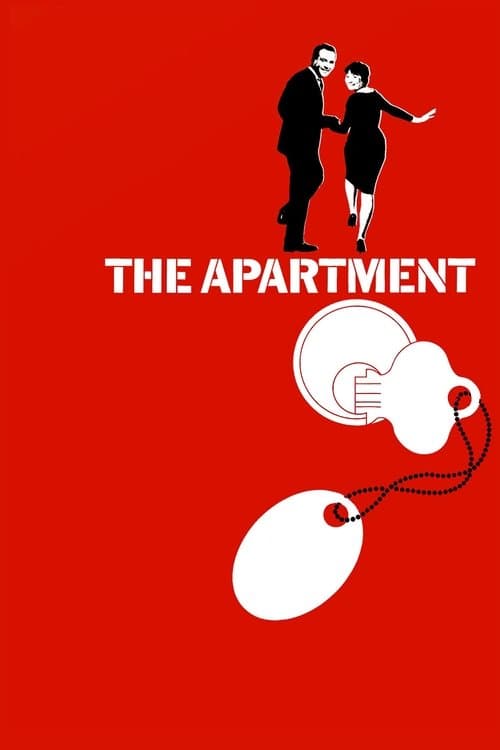
The Apartment (1960) hangs its big reveal on a cracked compact mirror. Sheldrake leaves it at Baxter's apartment, and Baxter hands it back without knowing whose it is. At the office Christmas party, Fran lends Baxter that same compact. The crack tells him everything about Fran and Sheldrake. It splits her face in 2 halves, and she says she likes it that way, since it makes her look the way she feels.

Telling you the ending at the start
A proleptic opening gives away the ending, or a big piece of it, in the first minutes. The tension then moves from what happens to how it happens. Grave of the Fireflies (1988) opens with Seita giving the date of the night he died. You haven't seen the children alive yet, and you already know they won't make it. Every small hope after that is hard to watch.
Midsommar (2019) hides its ending in the decor. Tapestries around the commune show the ritual calendar, sacrifice included, drawn in the same style as the rest of the community's art. The plot is hanging on the walls before any of it happens. Pause on them when you rewatch.


Telling you the trick and hoping you forget
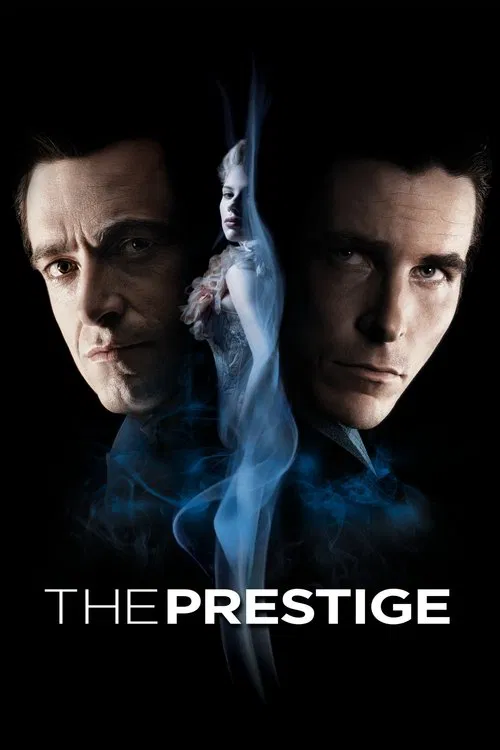
The Prestige (2006) explains itself in its opening narration. Cutter says every magic trick has 3 parts: the pledge, the turn and the prestige. The film then follows that structure all the way through. You're handed the blueprint in the first minutes, and the impressive part is how completely the film makes you forget it.
The diaries are part of the misdirection, too. Angier and Borden each read the other's diary, and both men wrote theirs to mislead. So a lot of what you learn comes through narrators who are lying to each other on purpose.
Twists that were set up all along
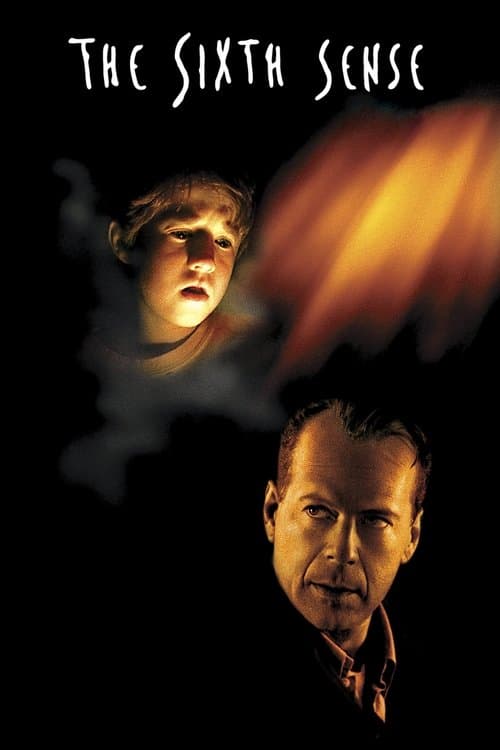
The biggest kind of foreshadowing is a twist that was planted the whole time. The Sixth Sense (1999) builds every scene so it reads 2 ways, the one you see and the one hidden under it. When the reveal comes, nothing breaks, because every detail already fit. Go back to the anniversary dinner. Malcolm talks to Anna and she doesn't respond. You read it one way the first time and a completely different way after the ending.
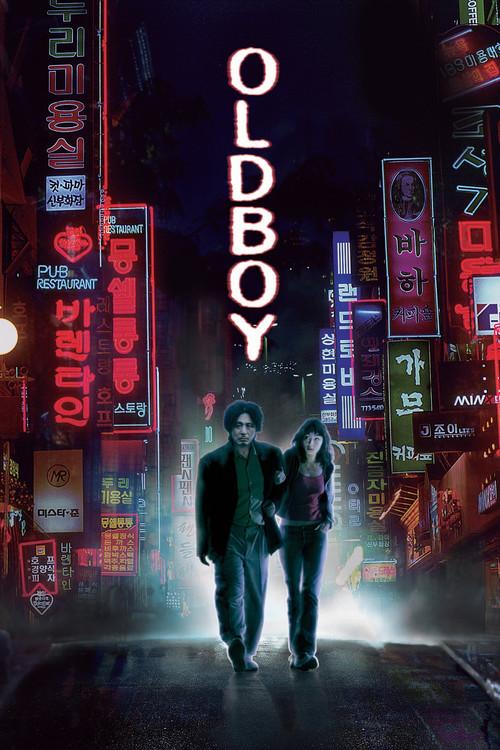
Oldboy (2003) goes darker. Lee Woo-jin's reveal turns the love story into a trap and Oh Dae-su's investigation into a performance. Every step he thought he chose was arranged for him, so you end up replaying the whole film in your head with that knowledge.
How to use this when you watch
On a rewatch, notice anything the camera lingers on without an obvious reason, whether it's an object, a color or a shape in the background. Make a mental note and check whether it comes back later. In the films above, it almost always does, and spotting it is half the fun of a second viewing.
More guides
- Film Noir Lighting Explained: 8 Films That Nail It
- How Directors Build Suspense: 8 Films That Show You How
- Unreliable Narrator Movies Explained: 9 Films That Fool You
- Non-Linear Movies Explained: 8 Films Told Out of Order
- Long Takes and Oners Explained: 9 Famous One-Shot Scenes
- How Color Tells the Story: 9 Films With Meaningful Palettes