Editing technique · used in 2 films

Classical Hollywood Continuity

Editing so smoothly that you forget you are watching edited film. Matching where actors look, cutting back and forth in conversations and keeping screen direction consistent make space and time feel unbroken.

Examples

2 films that use it

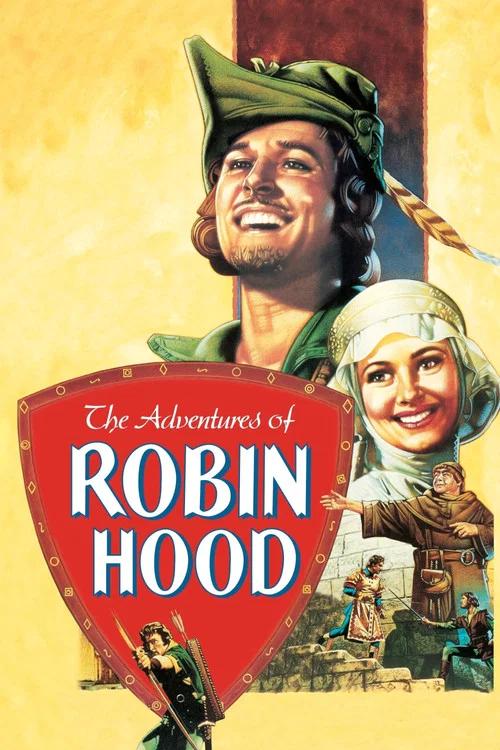
  1. The Adventures of Robin Hood (1938) poster

    The Adventures of Robin Hood

    Michael Curtiz · 1938

    The film cuts so cleanly that you follow every action. Fights, chases and speeches are matched on movement and eyelines, so you always know where everyone is. The studio craft hides itself and keeps you watching.

    Where to see it: The archery tournament. Robin enters, is recognized and captured, and his men help him escape the castle.
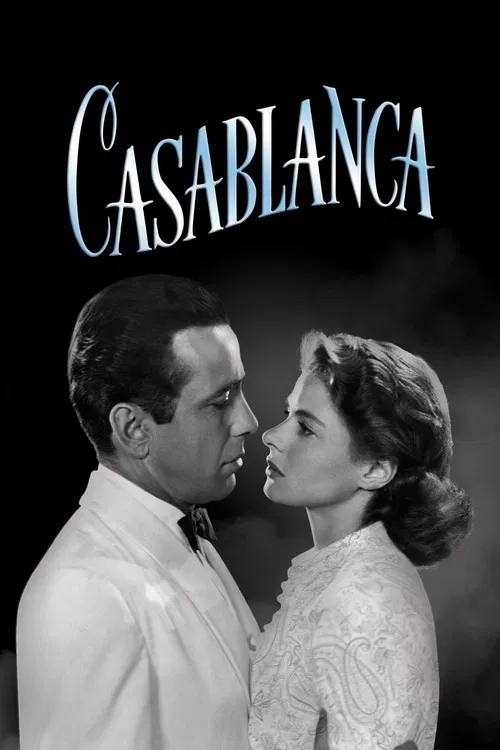
  2. Casablanca (1942) poster

    Casablanca

    Michael Curtiz · 1942

    Casablanca is the gold standard of classical continuity editing, the style where cuts are so smooth you don't notice them. Arthur Edeson's camerawork and Owen Marks's editing make the space feel seamless. Every glance gets an answer, and you always know where people are in a conversation. You are never lost.

    Where to see it: The Rick's Café sequences. Several characters hold several conversations at once, and the invisible editing keeps it clear where everyone is.

Questions

Quick answers

What is classical hollywood continuity in film?
Editing so smoothly that you forget you are watching edited film. Matching where actors look, cutting back and forth in conversations and keeping screen direction consistent make space and time feel unbroken.
Which films use classical hollywood continuity?
The Adventures of Robin Hood (1938), Casablanca (1942).
What kind of technique is classical hollywood continuity?
It is a editing technique. Related editing techniques include Kinetic Set Piece Architecture, Animation as Emotional Amplifier, Callback Editing.