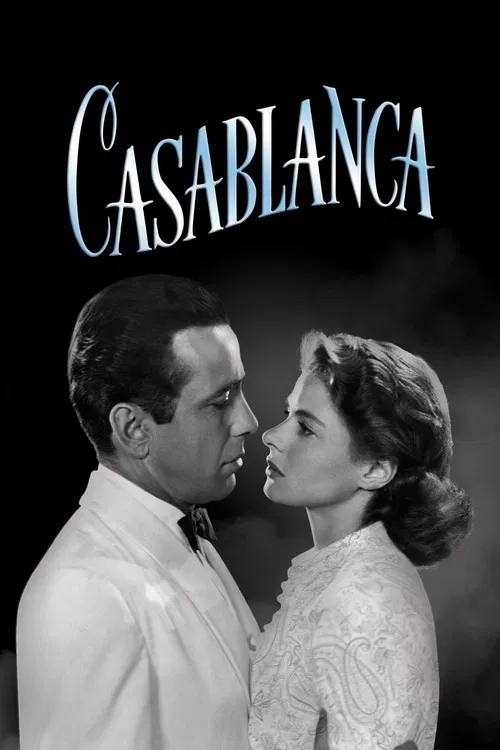
A world-weary American nightclub owner in wartime Morocco meets the woman who left him years before. She is now married to a resistance leader who badly needs his help to escape the Nazis. The film is about a cynical man who drops his cynicism when doing the right thing becomes unavoidable.
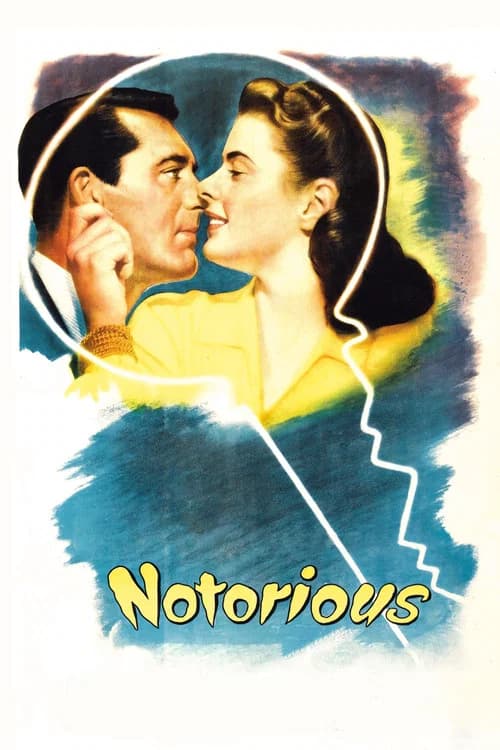
Casablanca is a 1942 drama, romance and war film directed by Michael Curtiz. This breakdown covers 4 techniques (1 editing, 1 narrative, 1 cinematography and 1 sound), each with the scene where you can see it. If you like how it is made, Notorious uses several of the same techniques.
Editing so smoothly that you forget you are watching edited film. Matching where actors look, cutting back and forth in conversations and keeping screen direction consistent make space and time feel unbroken.
How this film uses it
Casablanca is the gold standard of classical continuity editing, the style where cuts are so smooth you don't notice them. Arthur Edeson's camerawork and Owen Marks's editing make the space feel seamless. Every glance gets an answer, and you always know where people are in a conversation. You are never lost.
Where to see it
The Rick's Café sequences. Several characters hold several conversations at once, and the invisible editing keeps it clear where everyone is.
Building a love story around 3 people, where each pair has its own relationship and the third person always gets in the way. Your sympathy shifts because each of them has a fair claim.
How this film uses it
Rick, Ilsa and Victor form a triangle. Rick has love and a shared past. Victor has marriage and the cause. Ilsa truly loves both of them. Curtiz refuses to make Victor a villain or Rick a simple hero, so all 3 of them keep their dignity.
Where to see it
The 'Play it, Sam' sequence. The whole emotional history of the triangle gets packed into one song.
Lighting a scene with strong contrast between bright light and deep shadow, a style borrowed from old paintings called chiaroscuro. How lit a character is hints at their moral or mental state.
How this film uses it
Arthur Edeson lights Rick's Café with chiaroscuro, which means strong contrast between light and dark. Faces come out of shadow, and the gap between what you can see and what is hidden adds tension to every meeting. The shadows hide as much as they show, so you never get the full view of what anyone is feeling.
Where to see it
Rick's first appearance. The camera starts on his hand signing a check, then tilts up to his face in a dim, shadowy room.
Repeating one piece of music until it is tied to a memory or feeling. Each time it returns, it brings back everything you and the characters have been through.
How this film uses it
'As Time Goes By' first comes in when Ilsa asks Sam to play it, before you know anything about her past with Rick. The Paris flashback later shows it was their song. Every time it comes back after that, the full weight of their past comes with it. The song does the job of backstory. Its melody carries everything that happened in Paris.
Where to see it
Ilsa asking Sam to play it. It's the song's first appearance, and it brings back a history the film has not shown you yet.
Questions
Casablanca: quick answers
What filmmaking techniques does Casablanca use?
CineCode breaks down 4 techniques in Casablanca (1942): Classical Hollywood Continuity, Romantic Triangle Geometry, Chiaroscuro Lighting and Musical Memory Trigger.
Who directed Casablanca?
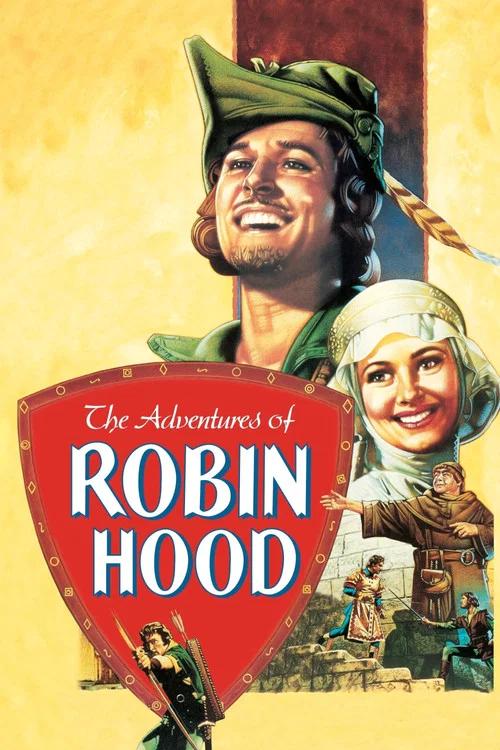
Michael Curtiz directed Casablanca, released in 1942. CineCode also covers The Adventures of Robin Hood (1938).
What films are similar to Casablanca?
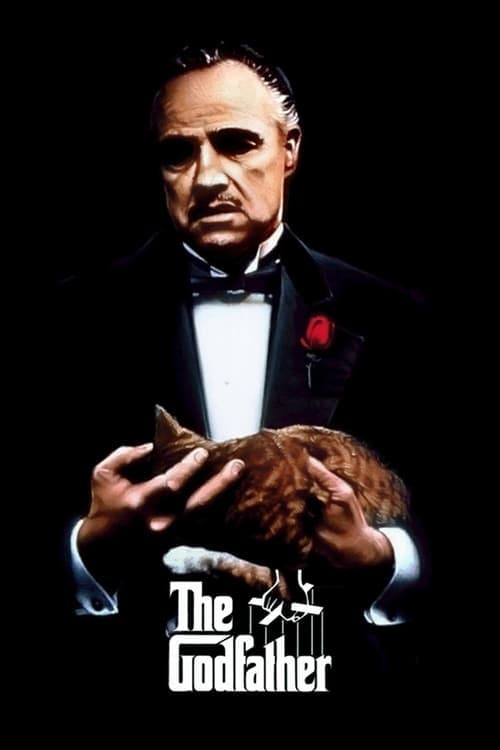
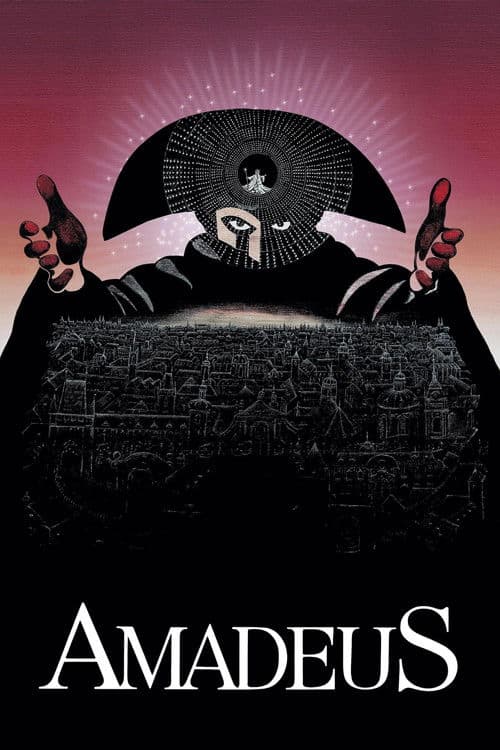
Films that share techniques with Casablanca include Notorious (1946), The Adventures of Robin Hood (1938), The Godfather (1972), Amadeus (1984).