Cinematography technique · used in 2 films

Forced Perspective Photography

Placing actors, props or sets at carefully chosen distances from the camera to fool the eye. People or spaces look much bigger or smaller than they really are.

Examples

2 films that use it

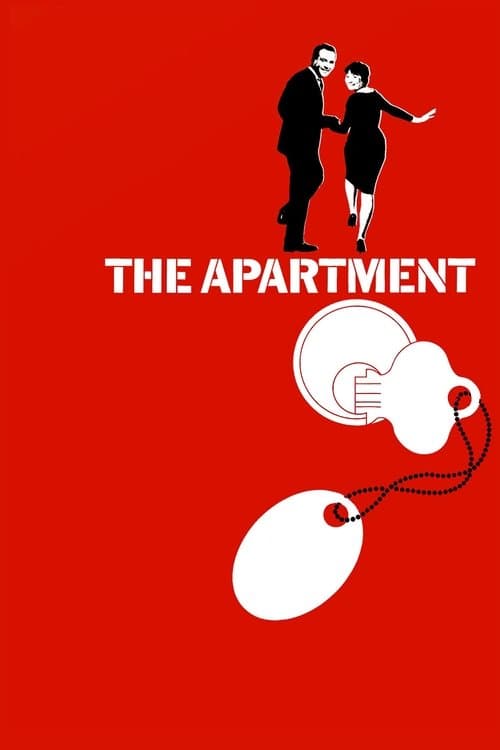
  1. The Apartment (1960) poster

    The Apartment

    Billy Wilder · 1960

    The Consolidated Life insurance office looks too vast to be real. Wilder and designer Alexander Trauner got that scale with forced perspective, a trick that fakes depth. They used smaller and smaller desks and actors as the set stretches toward the horizon. The office ends up feeling like a machine, and Baxter like 1 of its parts.

    Where to see it: The establishing shot of the insurance floor. Rows of identical desks shrink toward a vanishing point, and the rigid pattern of the institution dwarfs the people in it.

  2. The Lord of the Rings: The Return of the King (2003) poster

    The Lord of the Rings: The Return of the King

    Peter Jackson · 2003

    To make the hobbits look properly small next to humans, Jackson and cinematographer Andrew Lesnie used forced perspective. That is, they placed the hobbit actors further from the camera and kept the human actors close, with sets built at 2 different scales. When it works, you can't see it.

    Where to see it: Pippin standing beside Gandalf before Denethor in Minas Tirith. The hobbit is made to look small next to the men around him.

Questions

Quick answers

What is forced perspective photography in film?
Placing actors, props or sets at carefully chosen distances from the camera to fool the eye. People or spaces look much bigger or smaller than they really are.
Which films use forced perspective photography?
The Apartment (1960), The Lord of the Rings: The Return of the King (2003).
What kind of technique is forced perspective photography?
It is a cinematography technique. Related cinematography techniques include Production Design as Psychological Space, Architectural Class Opposition, Landscape as Sacred Geography.