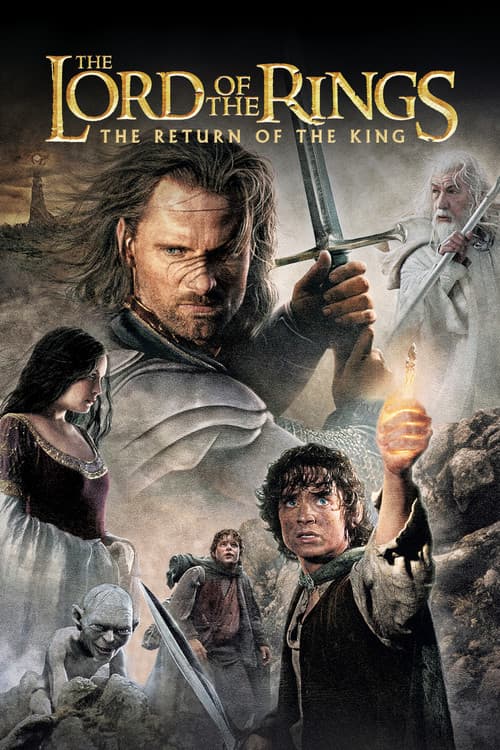
The Lord of the Rings: The Return of the King
Peter Jackson · 2003
The Fellowship's quest reaches its climax as Frodo and Sam make their final push toward Mount Doom while Aragorn rallies the free peoples of Middle-earth in a desperate last stand. An epic of sacrifice and friendship that earns every one of its multiple emotional endings.
Techniques Used
5 techniques identified in this film
Multiple Resolution Structure
NarrativeProviding several consecutive endings that each resolve a different emotional thread of a long narrative, honoring the accumulated investment of an extended story rather than cutting away cleanly.
How this film uses it
Jackson gives the film four distinct codas after the destruction of the Ring: the coronation, the Shire homecoming, the Grey Havens, and Bilbo's departure. Each ending is for a different character relationship — and each has been earned over eleven cumulative hours of trilogy.
Forced Perspective Photography
CinematographyUsing the precise placement of actors at different distances from the camera to create the illusion of size differences between characters that do not physically exist.
How this film uses it
To make hobbits appear genuinely small alongside humans, Jackson and cinematographer Andrew Lesnie used forced perspective — placing hobbit actors further from camera while keeping human actors close, with sets built at two different scales. The technique is invisible when it works.
Landscape as Sacred Geography
CinematographyUsing real-world landscapes photographed to feel mythological — vast, elemental, and charged with narrative meaning — so that geography itself carries dramatic weight.
How this film uses it
Andrew Lesnie's cinematography transforms New Zealand's terrain into Middle-earth by shooting at scale with long lenses against mountain ranges and volcanic plains. The landscapes don't merely contain the action — they represent moral states: Gondor's white peaks, Mordor's ash wastes.
WETA Digital Crowd Simulation
CinematographyUsing proprietary software that gives individual behavior and decision-making to thousands of digital characters, creating armies and crowds that move with the organic unpredictability of real masses.
How this film uses it
WETA's MASSIVE software gave each soldier, orc, and horseman an individual AI so that the battle sequences have no two figures moving identically. The result is that the Pelennor Fields battle reads as a genuine catastrophic event rather than a choreographed spectacle.
Thematic Musical Identity
SoundAssigning each culture, character, and location its own distinct musical theme that undergoes development and transformation across a long-form narrative, encoding dramatic history into the score itself.
How this film uses it
Howard Shore's score gives the Shire, Rohan, Gondor, Mordor, and the Fellowship each a distinct musical world. By the trilogy's third film, these themes have accumulated enough history that their recombination and resolution carries genuine emotional weight — the score has become a second narrative.
You Might Also Like
Films that share at least one technique with The Lord of the Rings: The Return of the King
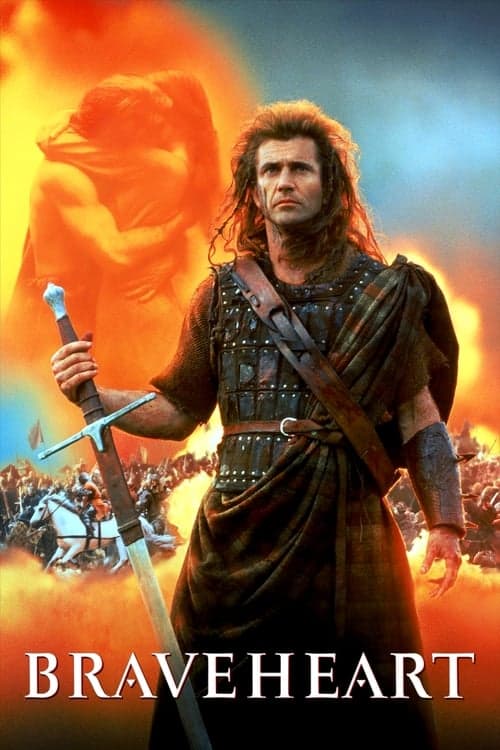
Scottish warrior William Wallace leads a revolt against English oppression in the 13th century, sacrificing everything for a nation's freedom. A sweeping historical epic that locates its emotional power in landscape, sacrifice, and the impossibility of surrender.
Braveheart
Mel Gibson · 1995
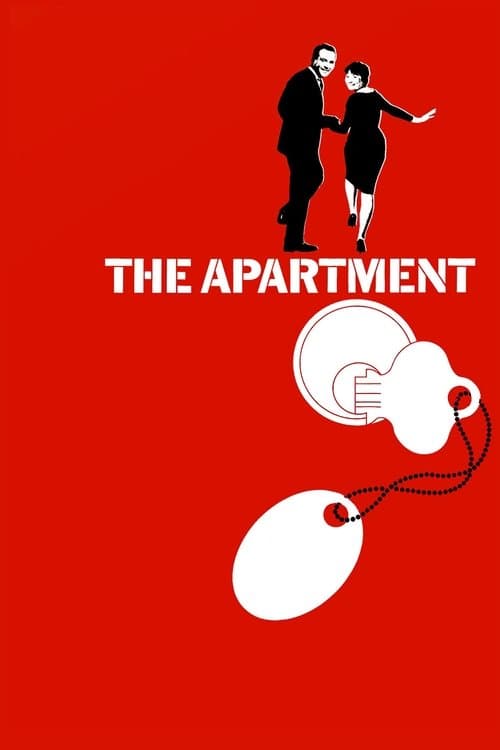
A lonely insurance clerk lends his apartment to his married superiors for their affairs, hoping to advance his career — until his boss's mistress, whom he loves, attempts suicide in his bed. Billy Wilder's masterwork operates simultaneously as a romantic comedy and a film about the loneliness at the center of postwar American ambition.
The Apartment
Billy Wilder · 1960
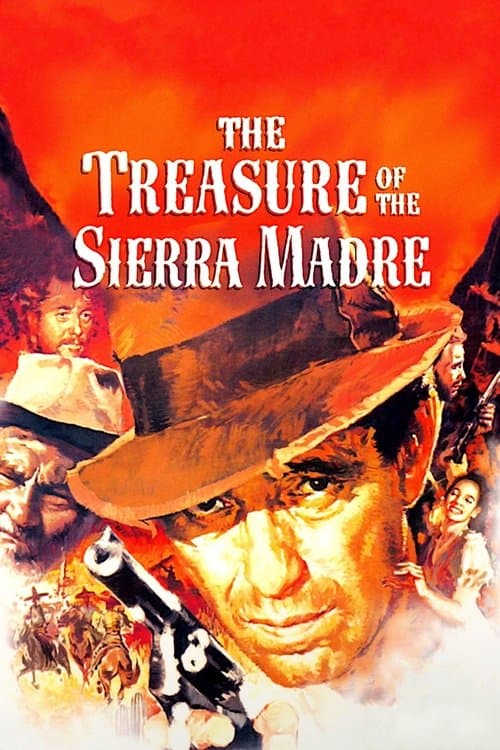
Three American drifters in Mexico strike gold in the mountains and discover that the real danger is not bandits but what greed does to a man's ability to trust anyone. John Huston's pessimistic adventure film treats the acquisition of wealth as a psychological autopsy.
The Treasure of the Sierra Madre
John Huston · 1948