When the effect breaks
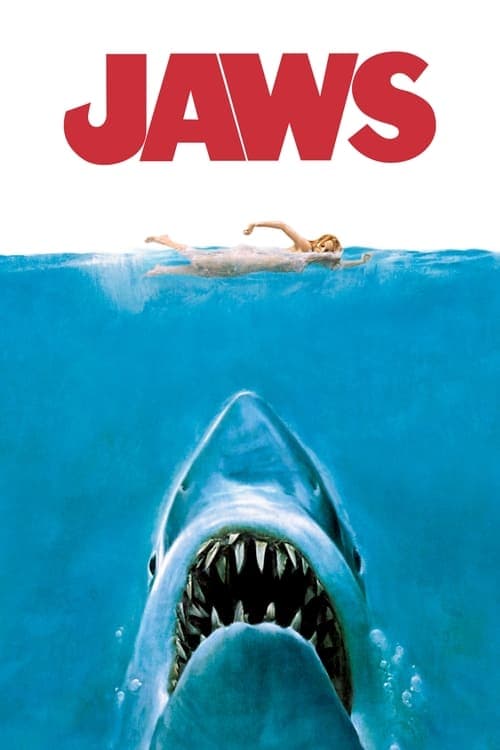
Jaws (1975) is the famous accident. The mechanical shark kept failing, so Spielberg had to suggest it with barrels and shots from the shark's point of view. Watch the barrel dragging through the water at speed. You understand how strong the shark is without seeing its body, and the film is scarier because of it. A practical problem ended up shaping how the whole film builds fear.
Bodies built with prosthetics
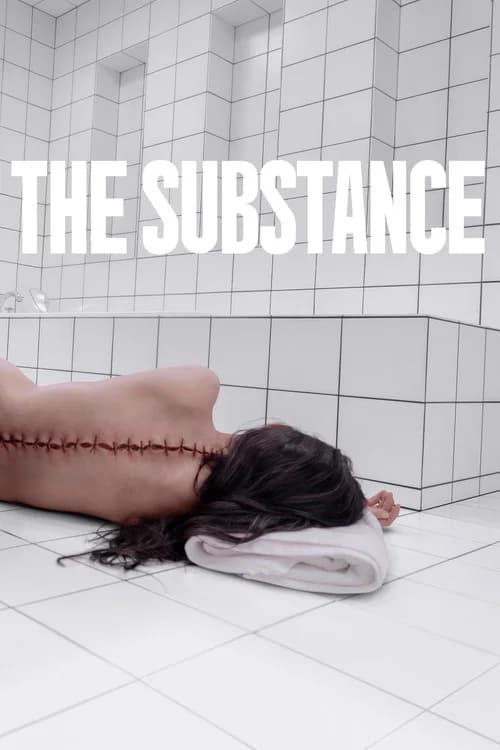
The Substance (2024) does its body horror with elaborate prosthetics and physical rigs, all built for real. The New Year's Eve transformation stacks layer on layer of prosthetic work. Digital effects might have made it look cleaner. The physical version looks solid and gross, and the horror stays close to you because of that.
Blowing up real things
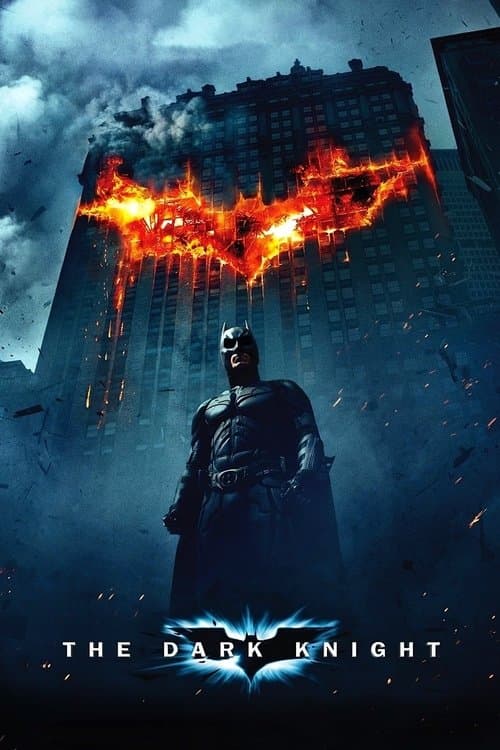
The Dark Knight (2008) built a hospital and actually blew it up. It also flipped a real tractor-trailer on LaSalle Street in Chicago. Real destruction has mass, and things fall the way gravity says they should. When the truck goes over, you can feel how heavy it is.
Mad Max: Fury Road (2015) built and wrecked real vehicles in Namibia. The fireballs are real, and so is the metal in the crashes. The War Boys are stunt performers doing work that was actually dangerous. In the sandstorm chase, you're looking at real mass in motion.
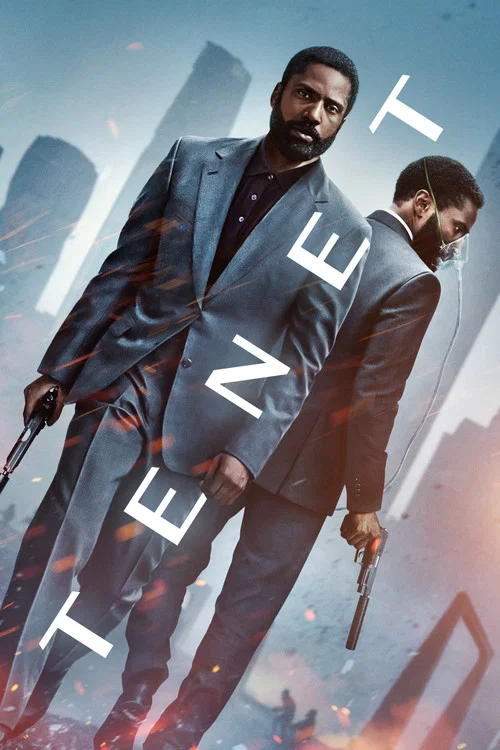
Tenet (2020) crashed a real Boeing 747 into a building for the Oslo airport sequence. The camera is close enough that you never doubt the size of the plane.

Building the set to move
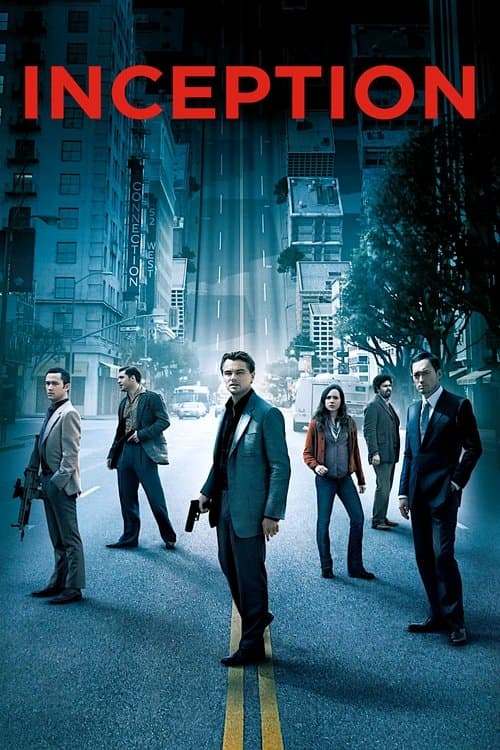
Inception (2010) shot its spinning hotel corridor fight on a set built on a giant gimbal, a rig that turns the whole room. The actors and the camera really were moving through a rotating hallway. That's why the zero-gravity fight in the second dream level feels physical.
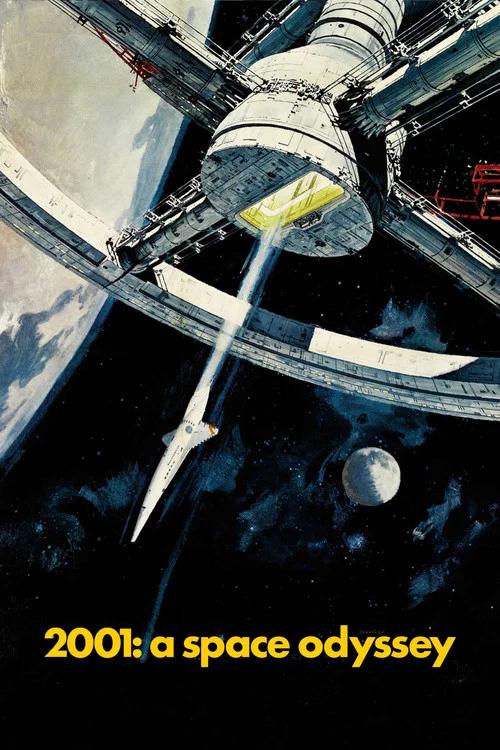
2001: A Space Odyssey (1968) built the centrifuge of the Discovery One as a real rotating drum, 38 feet across. The camera was fixed to the set and turned with it. When Frank Poole jogs through a full rotation, he seems to run up the wall and across the ceiling.
Miniatures and tricks of scale
The Lord of the Rings: The Fellowship of the Ring (2001) built places like Rivendell and Helm's Deep as physical models at scales up to 1:20. Motion-controlled cameras filmed them so the footage could be combined digitally with live action. Look at the establishing shots of Rivendell, carved into a cliff above waterfalls. The place has weight because something real was photographed.
The Lord of the Rings: The Return of the King (2003) used forced perspective to make the hobbits small. The hobbit actors stood farther from the camera than the human actors, on sets built at 2 scales. Next to Gandalf in Minas Tirith, Pippin really does look tiny. For the huge battles, the film went digital. Software gave every soldier and orc its own behavior, so no 2 of them move the same way on the Pelennor Fields.


When CGI was the breakthrough
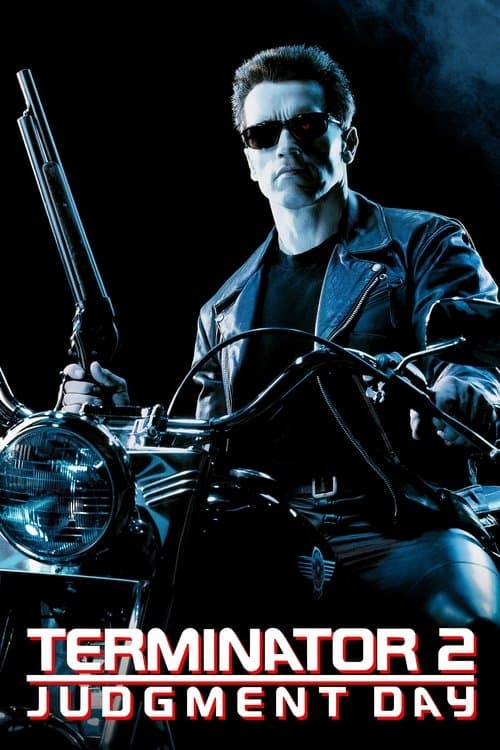
Terminator 2: Judgment Day (1991) is a good one to end on, since it does both. The T-1000's liquid metal came from new morphing software, and each shot took months of computer processing. Nobody had seen anything like it before. The same film also built real sets for the Cyberdyne attack and blew them up with real explosives. Watch the T-1000 re-form after it shatters, then watch the Cyberdyne building go up, and you can compare the 2 approaches in a single film.
How to use this when you watch
When an effect impresses you, ask what was actually in front of the camera. Look at how the light hits it and whether the actors seem to be reacting to something real. You won't always guess right, but the habit trains your eye for weight and scale.
More guides
- Film Noir Lighting Explained: 8 Films That Nail It
- How Directors Build Suspense: 8 Films That Show You How
- Unreliable Narrator Movies Explained: 9 Films That Fool You
- Non-Linear Movies Explained: 8 Films Told Out of Order
- Long Takes and Oners Explained: 9 Famous One-Shot Scenes
- How Color Tells the Story: 9 Films With Meaningful Palettes