Cinematography technique · used in 12 films

Architectural Class Opposition

Contrasting the buildings and rooms different social classes live in. The powerful get large, warm spaces and the powerless get cramped or exposed ones, so you see a gap nobody says aloud.

Examples

12 films that use it

  1. Metropolis (1927) poster

    Metropolis

    Fritz Lang · 1927

    Lang divides the city top to bottom. The ruling class lives above in towers of glass and light, and the workers run the machines below in underground darkness. The buildings are the film's political statement made in steel and shadow. The social order becomes a physical structure, and your class decides where in the city you live.

    Where to see it: The establishing shots of the upper city and the underground machine halls. They introduce the split between above and below, and the whole film is built on it.

  2. Paths of Glory (1957) poster

    Paths of Glory

    Stanley Kubrick · 1957

    Kubrick shoots the generals' mansion in warm light, with high ceilings and formal symmetry. These rooms belong to the people who make decisions. The trenches are low, dark and cramped, and they belong to the people who carry those decisions out. The buildings show you the class divide without a word.

    Where to see it: The cut between the generals' mansion and the trenches. It is the same war lived in 2 completely different kinds of space.

  3. The Apartment (1960) poster

    The Apartment

    Billy Wilder · 1960

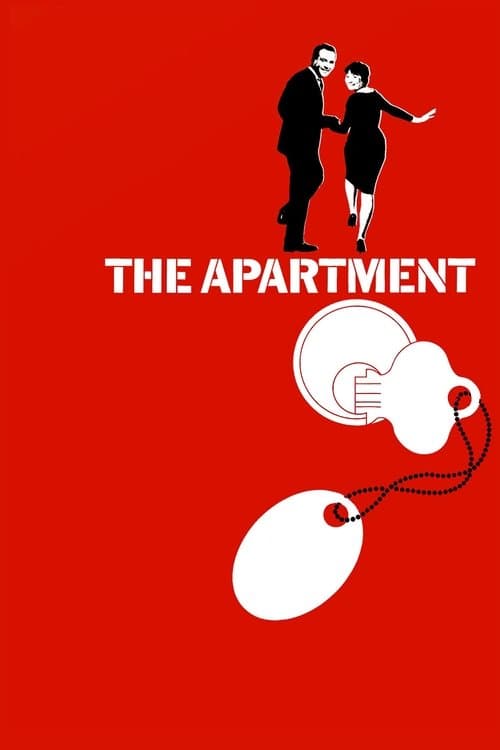
    The insurance office is filmed in extreme wide angle with forced perspective. The rows of identical desks stretch to the vanishing point, and Baxter is 1 of hundreds. Sheldrake's corner office is warm, private and roomy. The contrast between the 2 spaces tells you who has power before anyone speaks.

    Where to see it: The open-plan office wide shot. Baxter sits at his desk with hundreds of identical employees around him. A single composition makes the film's point about corporate hierarchy.

  4. High and Low (1963) poster

    High and Low

    Akira Kurosawa · 1963

    The whole layout of the film is vertical: the wealthy live high and the desperate live low. Kurosawa uses that real geography to make class difference part of the land itself, something more fixed than a person's circumstances.

    Where to see it: The final prison visitation scene. The glass between Gondo and the kidnapper is a physical wall across the class divide the whole film has been examining.

  5. The Hudsucker Proxy (1994) poster

    The Hudsucker Proxy

    Joel Coen, Ethan Coen · 1994

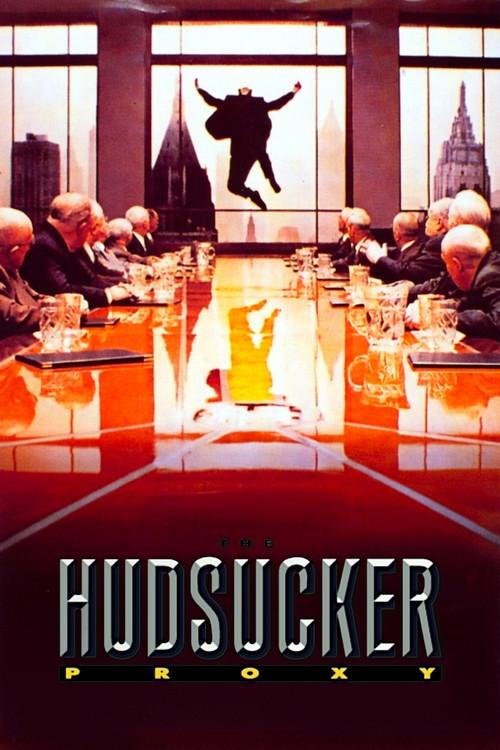
    Norville starts in a mechanical mailroom far below the executives. Critics have noted the contrast between that machine-like space and the huge, cold offices above. The building shows who has power long before anyone says it.

    Where to see it: Norville's first days at the company. He sorts mail in the mailroom, then is sent to deliver a letter to Mussburger.

  6. Titanic (1997) poster

    Titanic

    James Cameron · 1997

    Cameron shoots the Titanic as a literal map of class, with first class on top and third class down in the hull. When the ship sinks, that layout becomes a death sentence.

    Where to see it: The locked gates. Third-class passengers are trapped below decks as the water rises, and the separation of classes turns deadly.

  7. Gosford Park (2001) poster

    Gosford Park

    Robert Altman · 2001

    Altman uses the layout of the house, with the aristocrats' rooms upstairs and the servants' corridors downstairs, as a physical diagram of the class system. The camera moves between floors with an ease the characters themselves don't have.

    Where to see it: The camera moving from the dining room to the kitchen. You experience the same meal twice from opposite sides of the same wall. That division in the building holds pretty much everything the film is about.

  8. I Am Love (2010) poster

    I Am Love

    Luca Guadagnino · 2010

    Much of the film was shot in Villa Necchi Campiglio, a 1930s Milan mansion. Swinton called it part palace, part museum and part prison. The big, clean rooms show how much money the family has and how little room anyone has to move.

    Where to see it: The family dinner. The Recchis gather in the villa for Edoardo Sr.'s birthday, where he announces who will take over the business.

  9. Blue Jasmine (2013) poster

    Blue Jasmine

    Woody Allen · 2013

    Jasmine arrives at her sister Ginger's home and looks down on it, and on Ginger's boyfriend Chili, a mechanic. Later she meets Dwight and enters his wealthier world. The homes they live in show the gap between her old life and her sister's.

    Where to see it: The arrival at Ginger's apartment. Ginger is dismayed to learn that Jasmine flew first class while claiming to be broke.

  10. The Square (2017) poster

    The Square

    Ruben Östlund · 2017

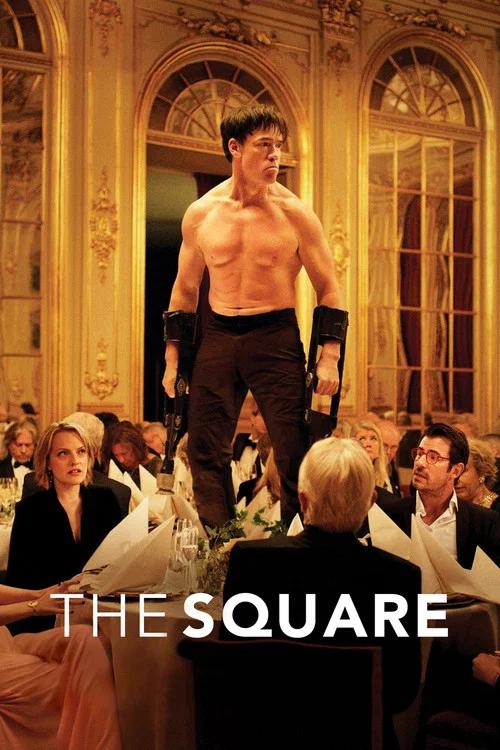
    Christian's polished museum and the apartment block where his phone leads are very different places. The contrast between the buildings shows the gap between the two worlds without anyone having to say it.

    Where to see it: Tracking the phone: Christian traces his phone to an apartment block and sends a threatening letter, and his items are returned.

  11. Triangle of Sadness (2022) poster

    Triangle of Sadness

    Ruben Östlund · 2022

    The yacht is laid out like a map of class from top to bottom. The wealthy are above deck in the sun and the staff are below in carefully designed comfort. The shipwreck swaps who gets which space, and the whole film is built around that swap.

    Where to see it: The survival island, where Abigail the toilet manager turns out to be the new person at the top. Practical skill now decides who controls the space, and inherited wealth stops counting.

  12. The Zone of Interest (2023) poster

    The Zone of Interest

    Jonathan Glazer · 2023

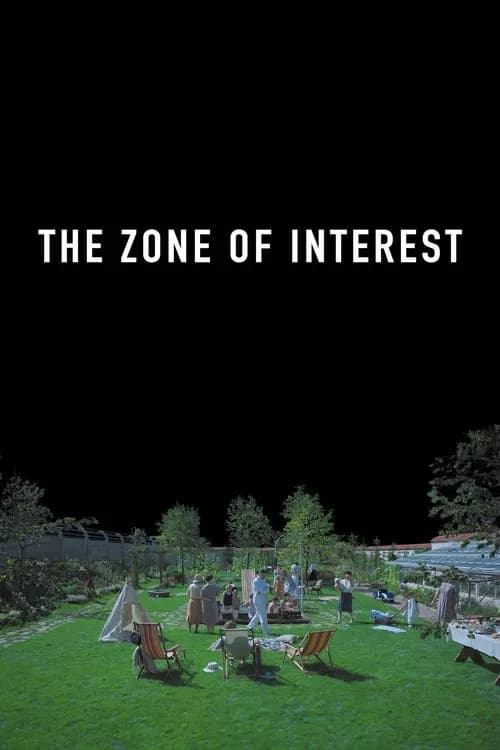
    The Höss house (garden, greenhouse, swimming pool, children's rooms) sits right next to the camp wall. This closeness is the most literal device in the film: maximum comfort and maximum horror share a wall. Glazer photographs the beauty of the house without irony. That puts you inside the perpetrators' own view of their home life.

    Where to see it: The garden and the wall. The beautiful home and the camp wall sit in the same frame, and that single shot sums up what the film is saying.

Questions

Quick answers

What is architectural class opposition in film?
Contrasting the buildings and rooms different social classes live in. The powerful get large, warm spaces and the powerless get cramped or exposed ones, so you see a gap nobody says aloud.
Which films use architectural class opposition?
Metropolis (1927), Paths of Glory (1957), The Apartment (1960), High and Low (1963), The Hudsucker Proxy (1994), Titanic (1997) and 6 more films in the CineCode library.
What kind of technique is architectural class opposition?
It is a cinematography technique. Related cinematography techniques include Practical Miniature Construction, Production Design as Psychological Space, Silent Film Performance Register.