Psychology technique · used in 6 films

Sympathy for the Villain

Inviting the audience to feel for a monstrous or wrongdoing figure. Pity, identification or shared intellect makes judging them harder.

Examples

6 films that use it

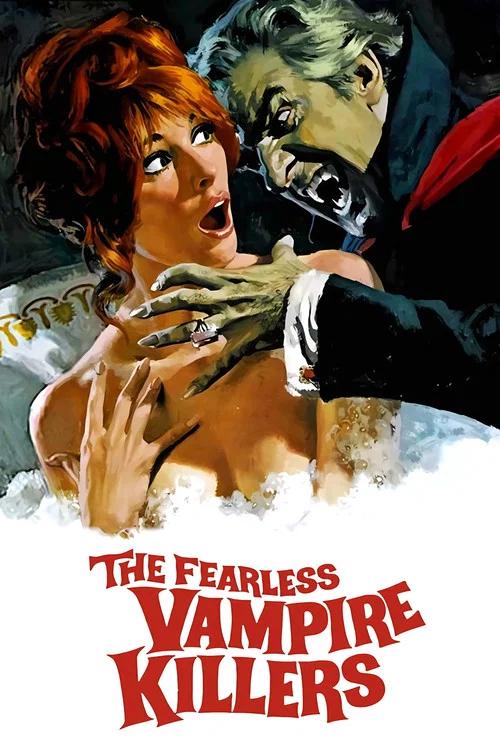
  1. The Fearless Vampire Killers (1967) poster

    The Fearless Vampire Killers

    Roman Polanski · 1967

    Count von Krolock does not threaten the professor. He says they will enjoy long evening discussions as intellectual equals, and then plans to turn him into a vampire. The politeness makes the danger odder and funnier.

    Where to see it: The Count's plan: The Count mocks the hunters from the turret and says Abronsius will be an intellectual equal and Alfred a companion for his son.
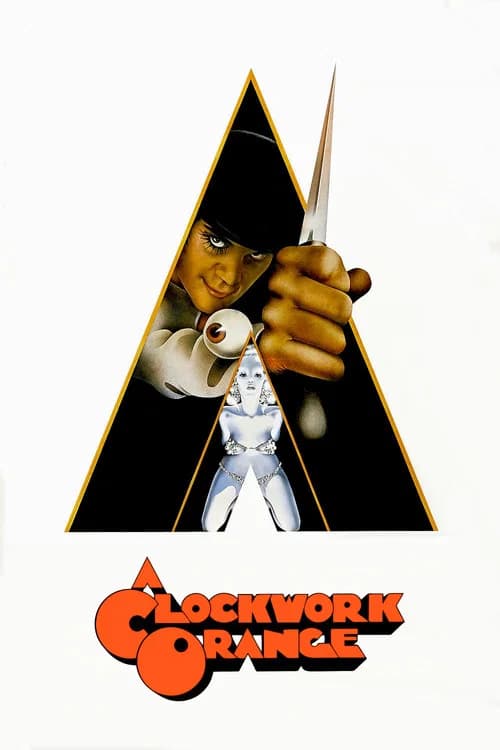
  2. A Clockwork Orange (1971) poster

    A Clockwork Orange

    Stanley Kubrick · 1971

    Alex narrates the film in a close, confiding tone, as if you were in on it with him. His intelligence, humor and charm are real. Kubrick makes him more engaging than his victims, then forces you to face what you've been enjoying. The horror lands on the audience, who have been finding him stylish.

    Where to see it: The opening monologue. Alex greets the viewer like an old friend and pulls us into his point of view before we understand what we're agreeing to.

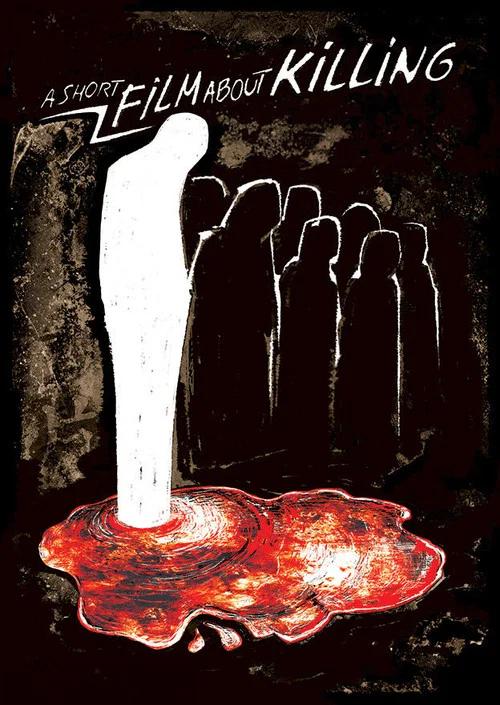
  3. A Short Film About Killing (1988) poster

    A Short Film About Killing

    Krzysztof Kieślowski · 1988

    Just before he dies, Jacek tells Piotr about his younger sister, who was run over by a tractor driven by a drunken friend. He says he never recovered. It does not excuse the murder, but it makes it harder for you to see him as only a monster.

    Where to see it: The last conversation: before his execution, Jacek tells Piotr about his sister's death. He asks to be buried next to her and his father.

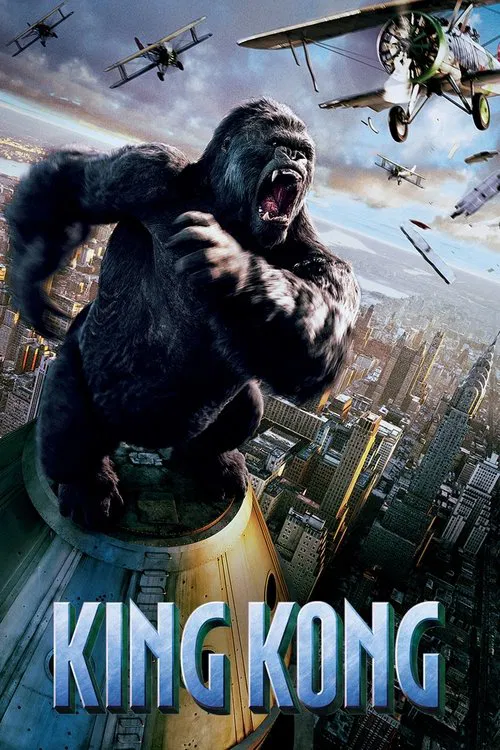
  4. King Kong (2005) poster

    King Kong

    Peter Jackson · 2005

    Kong is huge and deadly, yet the film gives him lonely, tender moments with Ann. By the end, the people with guns look like the bigger threat. You are made to feel the loss when he falls.

    Where to see it: Empire State Building: Kong climbs the tower and is shot down by planes. Carl's closing line blames Beauty for killing the Beast.

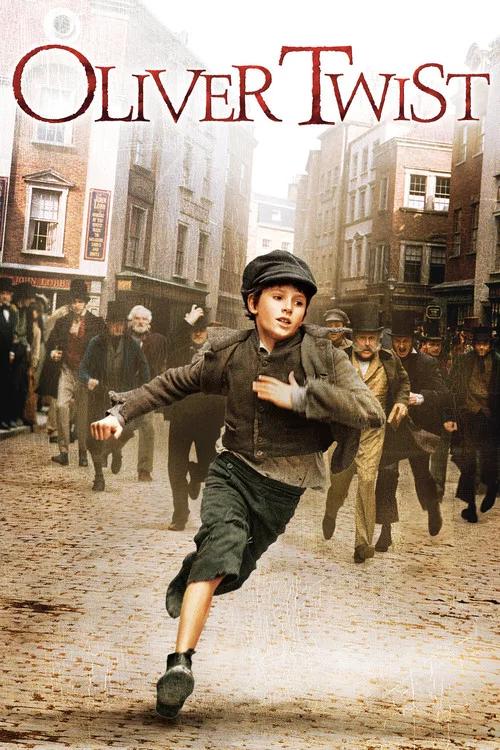
  5. Oliver Twist (2005) poster

    Oliver Twist

    Roman Polanski · 2005

    Fagin has been kind to Oliver in his own way, and the film remembers that at the end. Oliver is sad to see him hallucinating in jail. You are asked to feel the justice and the loss at the same time.

    Where to see it: The jail visit: Oliver visits Fagin in his cell and hears that Fagin will be executed. A crowd then gathers to watch the hanging.

  6. Red Rocket (2021) poster

    Red Rocket

    Sean Baker · 2021

    Mikey lies, uses people and keeps moving the blame onto others. Simon Rex plays him with so much charm that you keep half rooting for him. The film lets you enjoy his company and then makes you feel bad about it.

    Where to see it: The car crash. After a multiple-vehicle collision, Mikey begs Lonnie to hide his part in it, and Lonnie takes the blame when he is arrested.

Questions

Quick answers

What is sympathy for the villain in film?
Inviting the audience to feel for a monstrous or wrongdoing figure. Pity, identification or shared intellect makes judging them harder.
Which films use sympathy for the villain?
The Fearless Vampire Killers (1967), A Clockwork Orange (1971), A Short Film About Killing (1988), King Kong (2005), Oliver Twist (2005), Red Rocket (2021).
What kind of technique is sympathy for the villain?
It is a psychology technique. Related psychology techniques include others listed on the CineCode techniques page.