Narrative technique · used in 15 films

Genre Subversion

Setting up a film to look like a familiar genre, then breaking that genre's rules on purpose. You have to rethink what kind of story you are watching.

Examples

15 films that use it

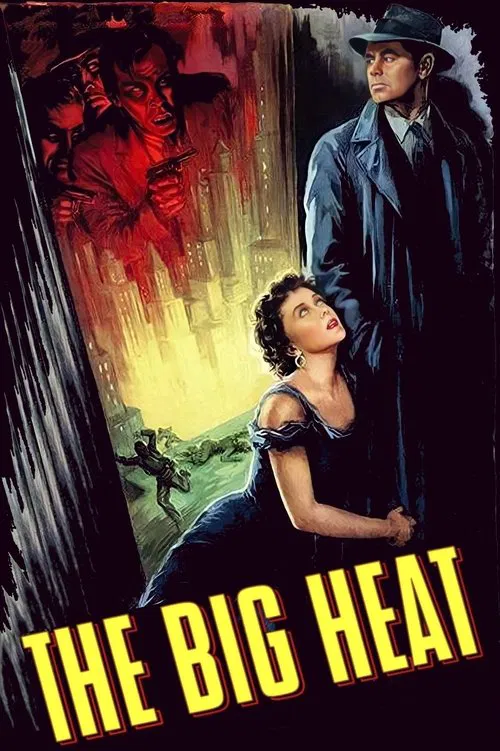
  1. The Big Heat (1953) poster

    The Big Heat

    Fritz Lang · 1953

    The women Bannion meets are damaged by the mob, and Debby Marsh becomes his key ally. Even Bertha Duncan is not the usual seductress, since her power is cold money and blackmail.

    Where to see it: Debby after the coffee: gangster Vince Stone throws boiling coffee in his girlfriend's face, and scarred Debby helps Bannion identify the bomber.
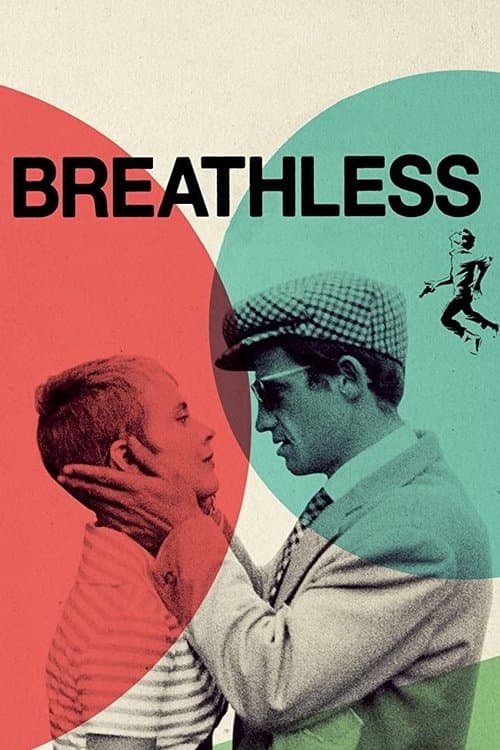
  2. Breathless (1960) poster

    Breathless

    Jean-Luc Godard · 1960

    Breathless looks like an American gangster film: a criminal on the run, a femme fatale, a chase. Godard uses those conventions as a frame and then takes them apart from the inside. Michel has no glamour. He is sulky and small. Patricia's betrayal is a modern woman making a choice, which is a long way from the femme fatale's treachery. The genre is only where the film's thinking starts.

    Where to see it: The ending. Michel dies without the dignity or release a gangster film would give him. The conventions the genre promised never arrive.

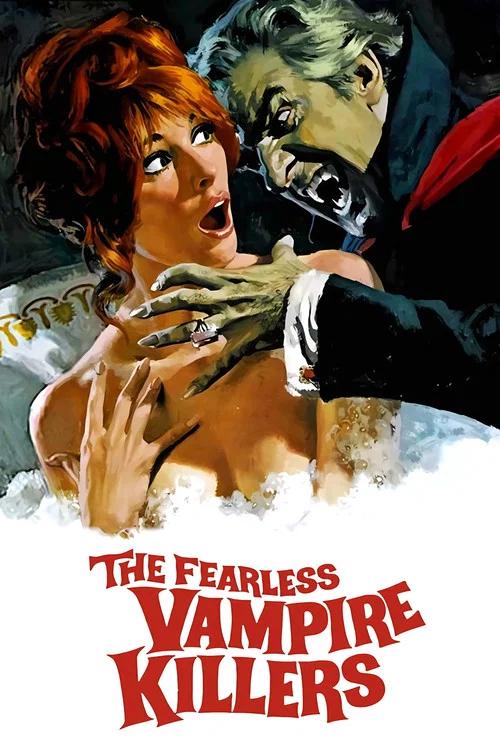
  3. The Fearless Vampire Killers (1967) poster

    The Fearless Vampire Killers

    Roman Polanski · 1967

    The film looks like a vampire hunt, but the hunters are clumsy and the vampires are polite. The Count admires the professor's research. He later says he will turn the professor into a vampire for long evening talks and Alfred into a companion for his son.

    Where to see it: The Count's welcome: The Count says he is a fan of Abronsius's research on vampirism and invites the hunters to stay in his castle.

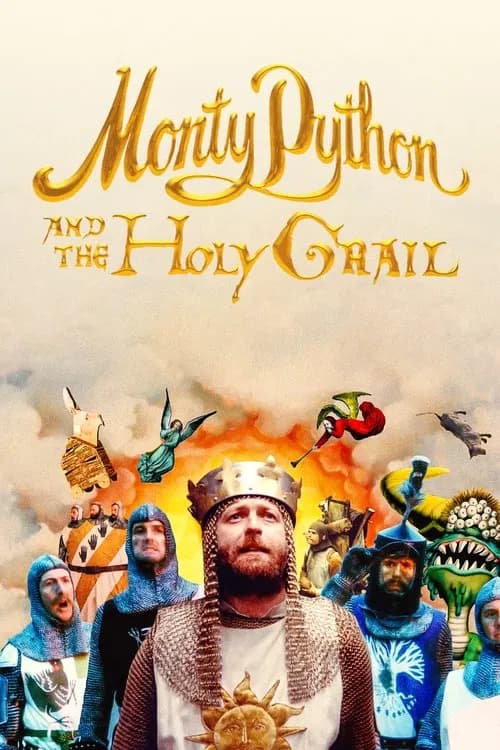
  4. Monty Python and the Holy Grail (1975) poster

    Monty Python and the Holy Grail

    Terry Gilliam, Terry Jones · 1975

    The Pythons set up everything you expect from a King Arthur epic (the quest, the knights, the castle, the final battle) and take each one apart in turn. Coconuts stand in for horses, the Black Knight refuses to admit defeat and the Holy Grail is never found. Every promise the genre makes gets set up and then cancelled.

    Where to see it: The coconut-horse opening. The film announces what the genre calls for and immediately swaps in its own absurd joke about how stage and screen fake things.

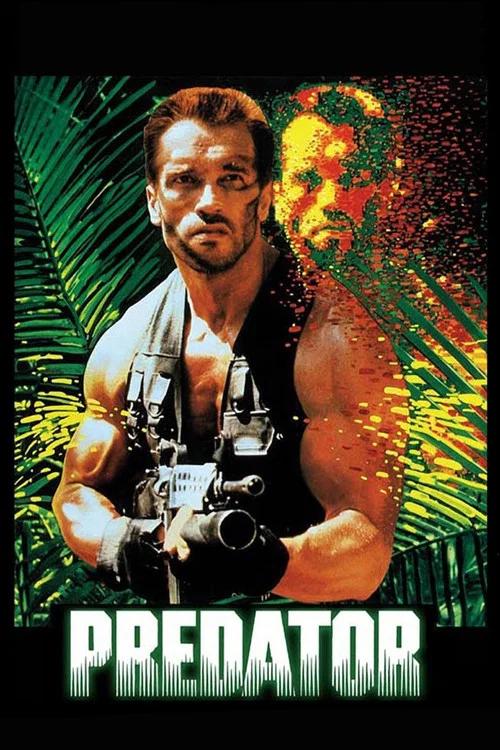
  5. Predator (1987) poster

    Predator

    John McTiernan · 1987

    The film begins like a macho war movie, with big guns and a rescue mission. Then the team starts to die in silence, and the hunters become the hunted. The rules of the action film stop working.

    Where to see it: The skinned bodies: the team finds soldiers hung high in the trees with their skin removed. The mood shifts from mission to dread.

  6. Cronos (1993) poster

    Cronos

    Guillermo del Toro · 1993

    The film sets up vampire rules: blood hunger, danger from sunlight, a hidden sleeping place. Then it changes the source from a bite to a clockwork machine and makes the vampire an old, gentle antique dealer. Once you see that, you stop waiting for a monster and start feeling for the man.

    Where to see it: After the party: Gris writes to his wife, sleeps in a box to avoid sunlight and takes the device with him.

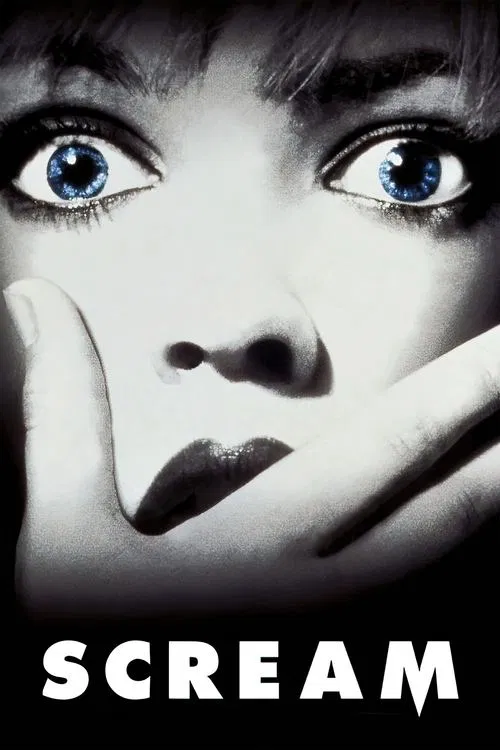
  7. Scream (1996) poster

    Scream

    Wes Craven · 1996

    Drew Barrymore was the biggest name in the cast and was first cast as Sidney. She asked for the smaller role of Casey instead. Killing her in the first scene tells you the usual rules about who survives don't apply here.

    Where to see it: The opening. Casey is home alone when a stranger calls and makes her answer horror trivia to save her boyfriend. She gets a Friday the 13th question wrong, and the killer comes for her.

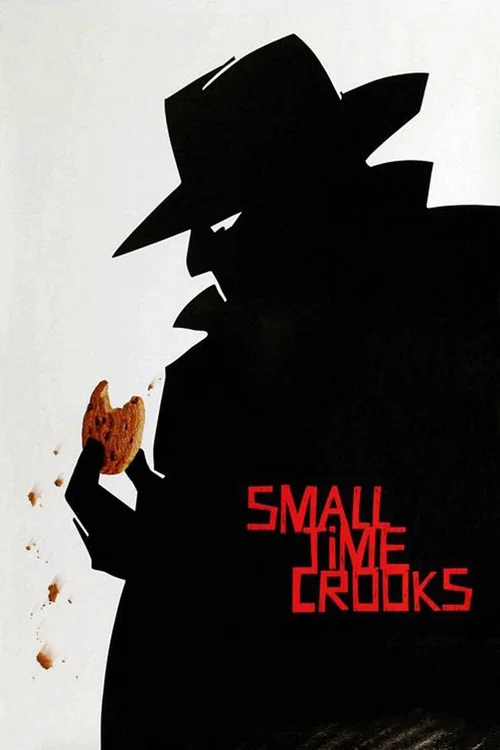
  8. Small Time Crooks (2000) poster

    Small Time Crooks

    Woody Allen · 2000

    The film is set up as a heist movie with a tunnel, a crew and a cover business. The heist fails and the cover business succeeds. The crime plot becomes a comedy about money.

    Where to see it: The cookie shop. Frenchy sells cookies upstairs while the crew digs toward the bank, and the cookies turn into the real fortune.

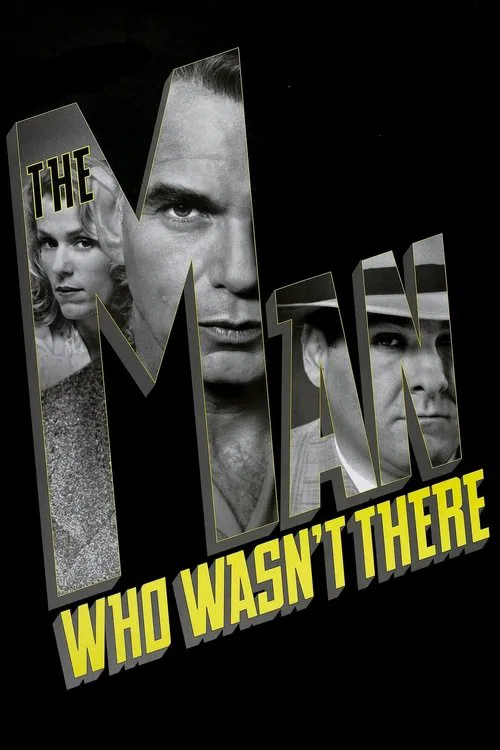
  9. The Man Who Wasn't There (2001) poster

    The Man Who Wasn't There

    Joel Coen, Ethan Coen · 2001

    The setup is a crime story from the old pulp novels, but the Coens replace the underworld with a small town and ordinary people. The criminal is a barber, and the big plan is a blackmail letter. The usual thrills are missing, so the film feels more like a quiet tragedy.

    Where to see it: The blackmail. Ed anonymously demands money from Big Dave Brewster, his wife's boss, to pay for an investment.

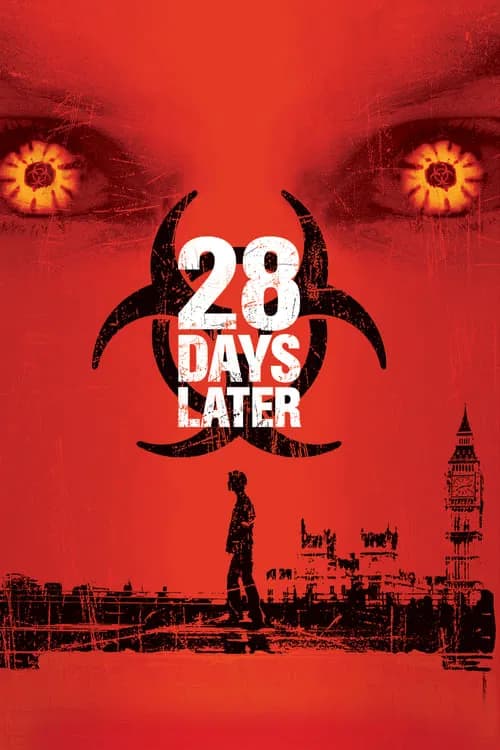
  10. 28 Days Later (2002) poster

    28 Days Later

    Danny Boyle · 2002

    Boyle uses the conventions of the zombie film to move the horror from the infected to the uninfected. The soldiers at the military base turn violent against the survivors. That shows the rage virus has only sped up a brutality that was already built into society. That is, the real horror is how the uninfected survivors behave.

    Where to see it: The military compound reveal. The soldiers have a plan for the female survivors. It says outright what the zombie genre was always trying to say about the violence that organized society contains and permits.

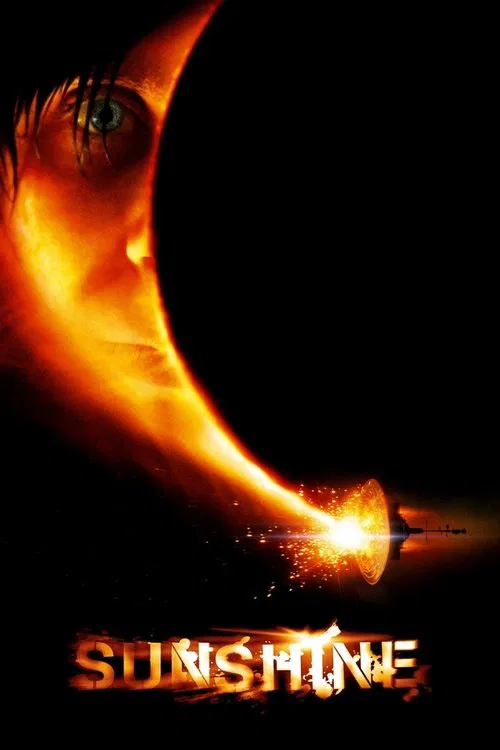
  11. Sunshine (2007) poster

    Sunshine

    Danny Boyle · 2007

    A thoughtful space mission turns into a stalking horror. One critic said the switch to slasher mode might have been added for teenage audiences. You have to change how you are watching halfway through the film.

    Where to see it: Pinbacker aboard: The crew finds Pinbacker alive on Icarus II. He disables the ship by lifting its mainframes from the coolant baths and kills Corazon.

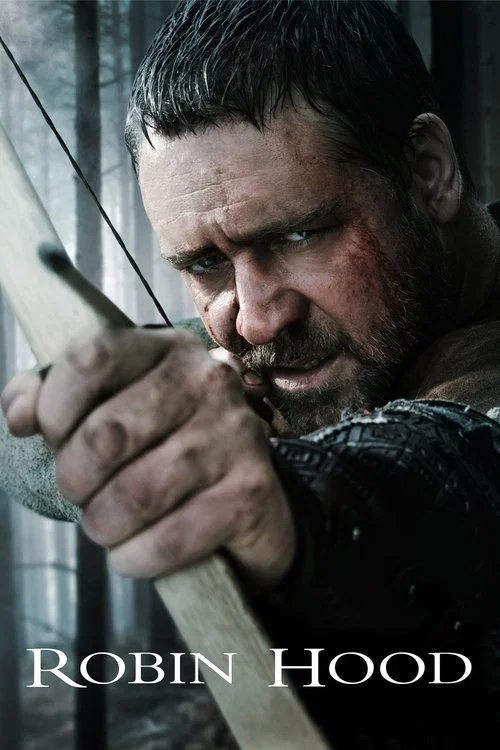
  12. Robin Hood (2010) poster

    Robin Hood

    Ridley Scott · 2010

    You expect an outlaw in green stealing from the rich. This film spends most of its time with a soldier who deserts the army, impersonates a knight and joins a political fight over a charter of rights. Outlaw life arrives only in the closing minutes. It rebuilds the legend from its start.

    Where to see it: The charter: speaking for Sir Walter, Robin proposes that King John agree to a charter of rights for every Englishman.

  13. Parasite (2019) poster

    Parasite

    Bong Joon-ho · 2019

    The first half plays like a social comedy. Then the film turns into horror and tragedy. The switch shakes how comfortable you were and makes you doubt who you were rooting for.

    Where to see it: The housekeeper's return in Act 2. This is where the tone starts to change.

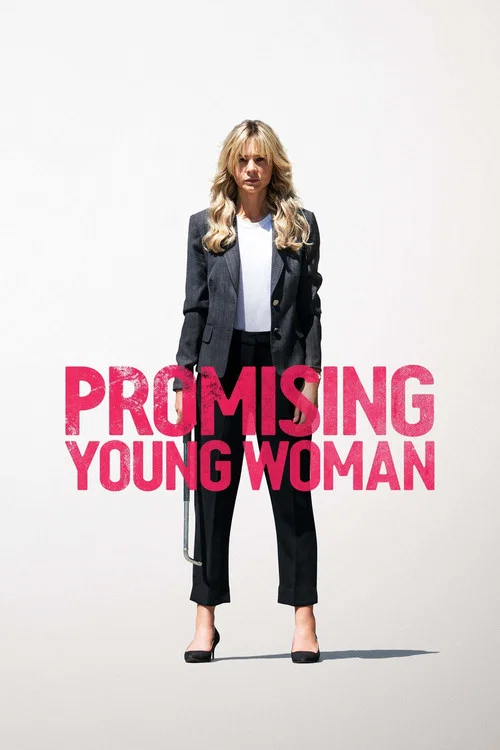
  14. Promising Young Woman (2020) poster

    Promising Young Woman

    Emerald Fennell · 2020

    The film looks like a rom-com in pastel clothes, with a sweet coffee shop and a charming boy. Then it turns into a revenge thriller, and the cute surface starts to feel like a mask.

    Where to see it: The pharmacy scene: Cassie and Ryan sing along to a pop song in a drugstore. It plays like a rom-com montage, and the mood warms before the story turns.

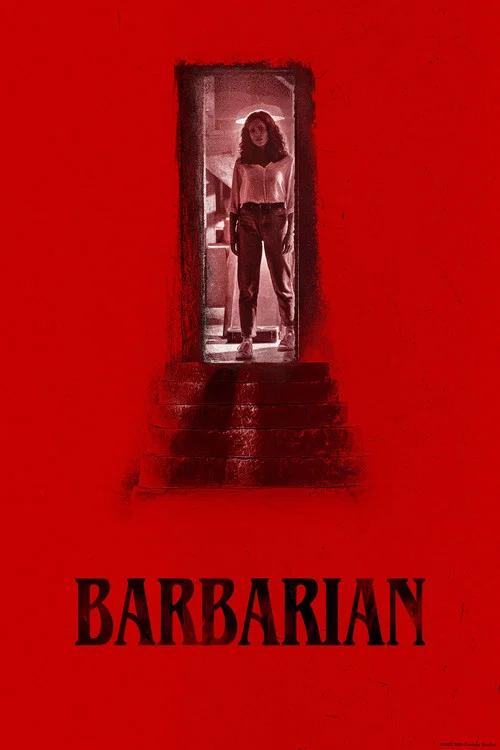
  15. Barbarian (2022) poster

    Barbarian

    Zach Cregger · 2022

    It plays like a thriller about a woman who is stuck with a stranger. Then the film leaves her, shifts to someone else and turns into something stranger. Cregger said he kept looking for ways to surprise himself, and the structure shows it.

    Where to see it: Keith and Tess. Tess follows Keith into the tunnel, and a deformed woman kills him, which breaks the thriller you thought you were watching.

Questions

Quick answers

What is genre subversion in film?
Setting up a film to look like a familiar genre, then breaking that genre's rules on purpose. You have to rethink what kind of story you are watching.
Which films use genre subversion?
The Big Heat (1953), Breathless (1960), The Fearless Vampire Killers (1967), Monty Python and the Holy Grail (1975), Predator (1987), Cronos (1993) and 9 more films in the CineCode library.
What kind of technique is genre subversion?
It is a narrative technique. Related narrative techniques include Expectation Collapse, Threat in Everyday Settings, Direct Address.