Drama

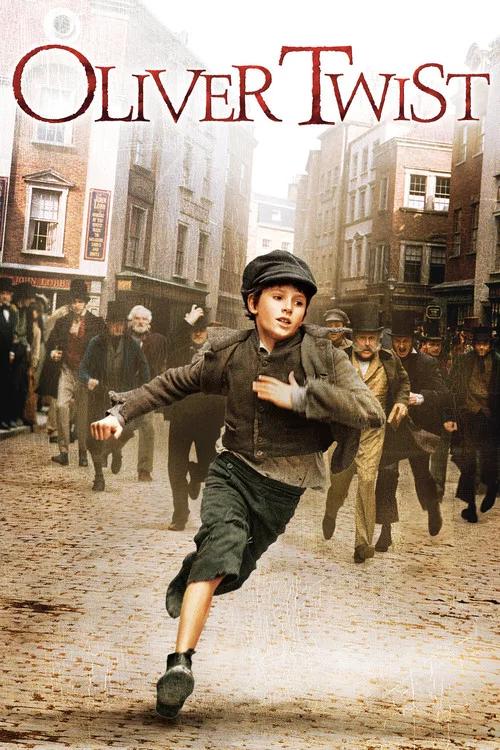
Oliver Twist

Roman Polanski, 2005

An orphan boy escapes a workhouse and an undertaker, then falls in with a gang of London pickpockets led by Fagin. A kind gentleman takes him in, but the violent Bill Sikes wants him back. Polanski, himself an orphan in wartime Poland, tells Dickens's story close to the child's side.

Oliver Twist (2005) poster

At a glance

Oliver Twist is a 2005 drama film directed by Roman Polanski. This breakdown covers 4 techniques (1 narrative, 2 cinematography and 1 psychology), each with the scene where you can see it. If you like how it is made, The Shawshank Redemption uses several of the same techniques.

Narrative

Picaresque Structure

Telling the story as a loose string of separate adventures, often following a low-status hero through different levels of society. With no single plot, the episodes add up to a portrait of a world.

How this film uses it

Oliver moves from the workhouse to an undertaker's shop, then to London's streets and a wealthy man's home. Each stop is a different level of society with its own rules, and together they show how little protection a child has.

Where to see it

The road to London: After he is sold as an apprentice to an undertaker, Oliver runs away and makes a seven-day journey to London.

Cinematography

Institutional Architecture

Showing an institution as the source of power in the story, through its walls, corridors, watchful sightlines and procedures. The system itself confines people more than any single villain.

How this film uses it

The workhouse is where Oliver learns that the system decides who eats. The rules and the people who enforce them do the harm, and you do not need a single cruel villain to feel it.

Where to see it

Asking for more: Oliver is taken to the workhouse, where he dares to ask for more food. Soon after, he is sold as an apprentice to an undertaker.

Cinematography

Crime as Choreography

Staging a theft as a rehearsed routine of hands, timing and distraction. You enjoy the skill on screen even as you watch a crime.

How this film uses it

The pickpocketing was reportedly choreographed with the help of a stage pickpocket and a magician. The Dodger and Charley work the street like a routine, and you watch their hands before you think about the crime. Then it goes wrong for Oliver.

Where to see it

Oliver's first outing: Dodger and Charley take Oliver out to teach him to pick pockets. It ends with Oliver falsely arrested for stealing from Mr Brownlow.

Psychology

Sympathy for the Villain

Inviting the audience to feel for a monstrous or wrongdoing figure. Pity, identification or shared intellect makes judging them harder.

How this film uses it

Fagin has been kind to Oliver in his own way, and the film remembers that at the end. Oliver is sad to see him hallucinating in jail. You are asked to feel the justice and the loss at the same time.

Where to see it

The jail visit: Oliver visits Fagin in his cell and hears that Fagin will be executed. A crowd then gathers to watch the hanging.

Questions

Oliver Twist: quick answers

What filmmaking techniques does Oliver Twist use?
CineCode breaks down 4 techniques in Oliver Twist (2005): Picaresque Structure, Institutional Architecture, Crime as Choreography and Sympathy for the Villain.
Who directed Oliver Twist?
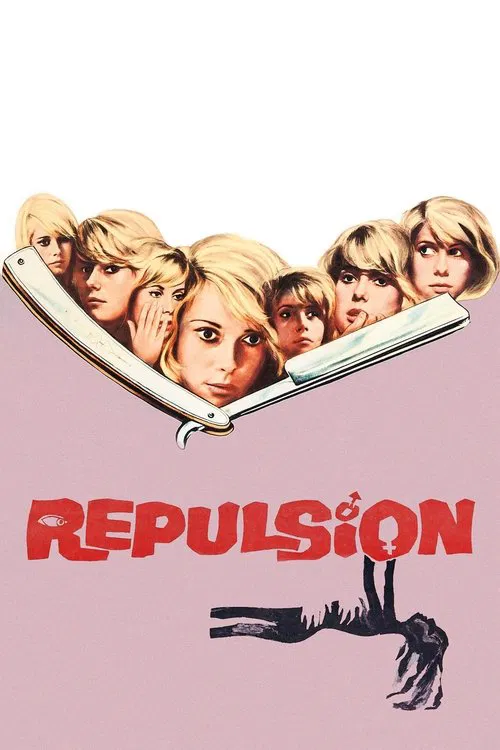
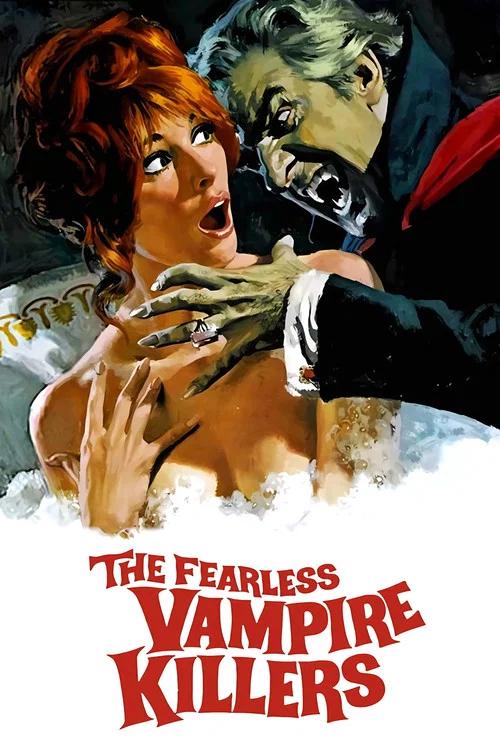
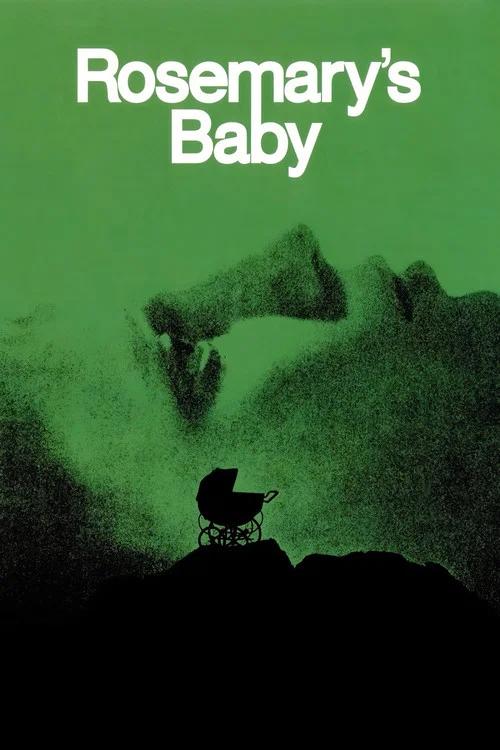
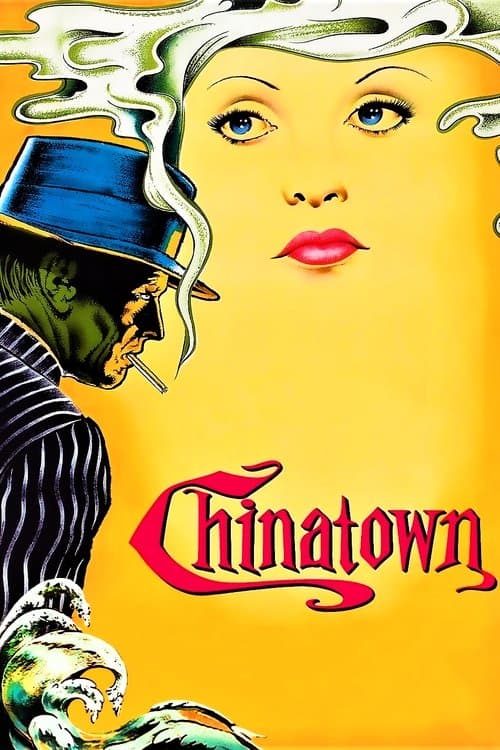
Roman Polanski directed Oliver Twist, released in 2005. CineCode also covers Repulsion (1965), The Fearless Vampire Killers (1967), Rosemary's Baby (1968), Chinatown (1974), The Tenant (1976), Frantic (1988).
What films are similar to Oliver Twist?
Films that share techniques with Oliver Twist include The Shawshank Redemption (1994), Forrest Gump (1994), A Clockwork Orange (1971), La Dolce Vita (1960).