Adventure · Action · Drama

King Kong

Peter Jackson, 2005

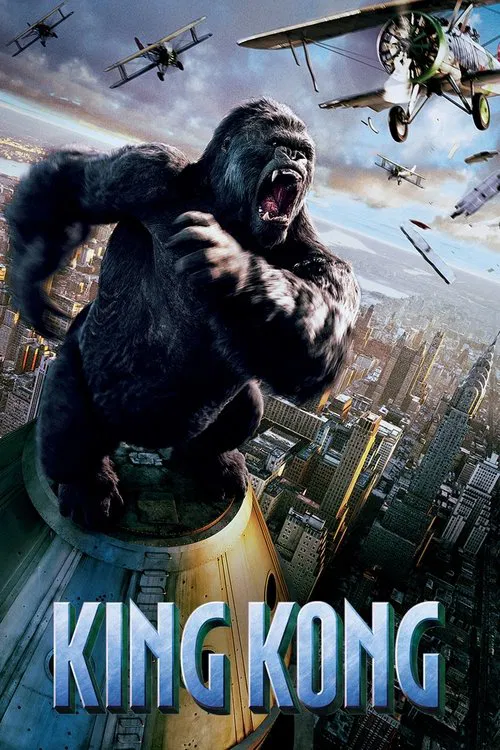
In 1933, a showman named Carl Denham drags a film crew to Skull Island, where a giant ape named Kong takes a liking to the actress Ann Darrow. Kong is then brought to New York and ends up atop the Empire State Building. Worth watching as a filmmaker for how a digital creature carries real feeling.

King Kong (2005) poster

At a glance

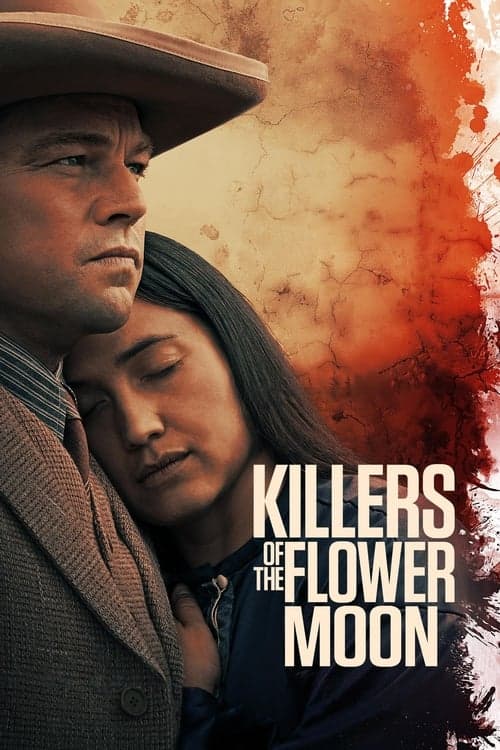
King Kong is a 2005 adventure, action and drama film directed by Peter Jackson. This breakdown covers 5 techniques (3 cinematography, 1 narrative and 1 psychology), each with the scene where you can see it. If you like how it is made, Killers of the Flower Moon uses several of the same techniques.

Cinematography

Performance Capture Pioneer

Recording an actor's body movements and facial expressions and using that data to drive a fully digital character. The human performance survives inside a non-human form.

How this film uses it

Andy Serkis performed Kong in a motion capture suit, wearing around 135 facial markers. He also studied gorillas at London Zoo and in Rwanda. What you see in Kong's face and body is a real performance, filtered through a giant digital ape.

Where to see it

Ann and Kong on Skull Island: Ann wins over the ape with her vaudeville routine, and Kong starts to protect her.
Narrative

Slow Build Runtime

Running the film longer than its genre normally needs, on purpose. The extra time lets you live with the characters, so the emotional payoff feels in proportion to the wait.

How this film uses it

At 187 minutes, the film takes its time before the ape shows up in full. The opening New York scenes and the sea voyage give you time to care about Ann, Carl and the crew. That makes the later rampage and the ending hit harder.

Where to see it

Voyage to Skull Island: The Venture runs aground on the island, well after the film has spent time on its people.

Cinematography

Silent Comedy Homage

Borrowing the physical comedy of silent films, such as pratfalls, precisely timed gags and expressive body language. It is a nod to where cinema came from.

How this film uses it

Ann is a vaudeville performer, and her stage act is how she wins Kong over. The film plays her routine like an old stage act. It nods to the early days of cinema while still working as a scene about trust.

Where to see it

Vaudeville routine: Ann performs her vaudeville act in front of Kong to keep his attention on her.

Cinematography

Historical Compositing

Digitally placing a fictional character into real archive footage, or blending actors with rebuilt period sets and backgrounds. It looks as if the character was really there in history.

How this film uses it

Weta Digital built a computer version of New York in 1933 and the film blends actors with it. The streets look rebuilt from old photographs, with period fashion and cars. You feel dropped into the Depression, with no sign of the screen.

Where to see it

Kong in New York: Kong breaks free from a Broadway show and runs through the 1930s streets.

Psychology

Sympathy for the Villain

Inviting the audience to feel for a monstrous or wrongdoing figure. Pity, identification or shared intellect makes judging them harder.

How this film uses it

Kong is huge and deadly, yet the film gives him lonely, tender moments with Ann. By the end, the people with guns look like the bigger threat. You are made to feel the loss when he falls.

Where to see it

Empire State Building: Kong climbs the tower and is shot down by planes. Carl's closing line blames Beauty for killing the Beast.

Questions

King Kong: quick answers

What filmmaking techniques does King Kong use?
CineCode breaks down 5 techniques in King Kong (2005): Performance Capture Pioneer, Slow Build Runtime, Silent Comedy Homage, Historical Compositing and Sympathy for the Villain.
Who directed King Kong?
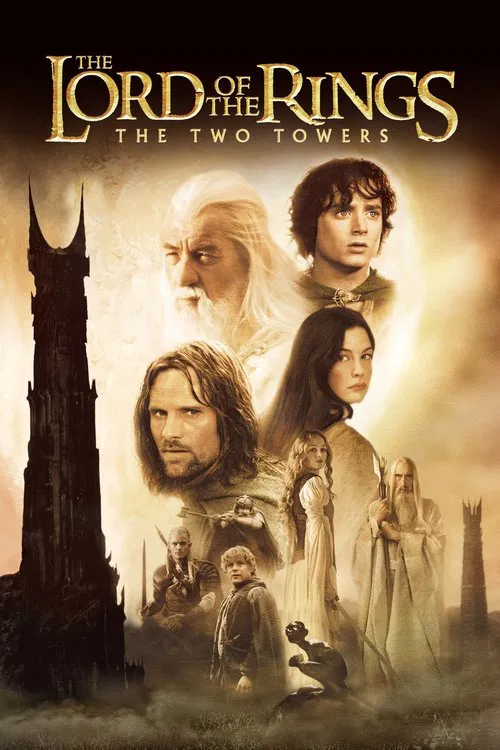
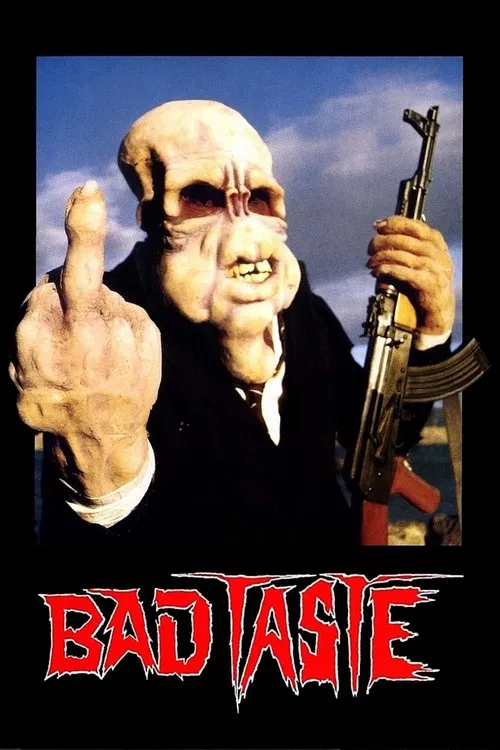
Peter Jackson directed King Kong, released in 2005. CineCode also covers Bad Taste (1987), Braindead (1992), Heavenly Creatures (1994), The Frighteners (1996), The Lord of the Rings: The Fellowship of the Ring (2001), The Lord of the Rings: The Two Towers (2002).
What films are similar to King Kong?
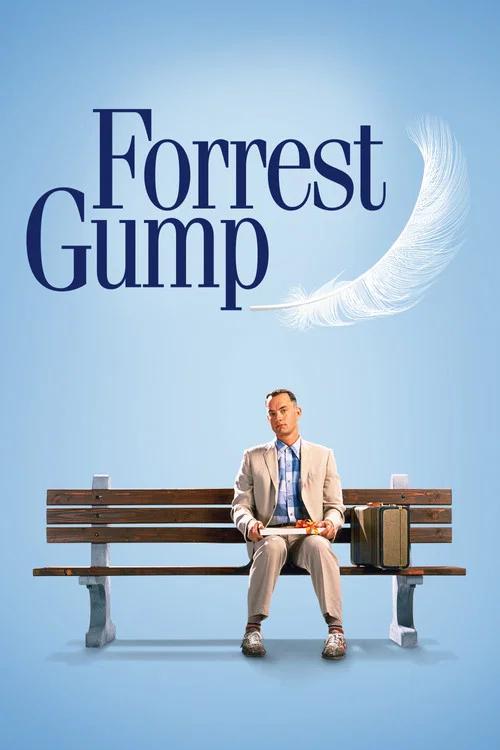
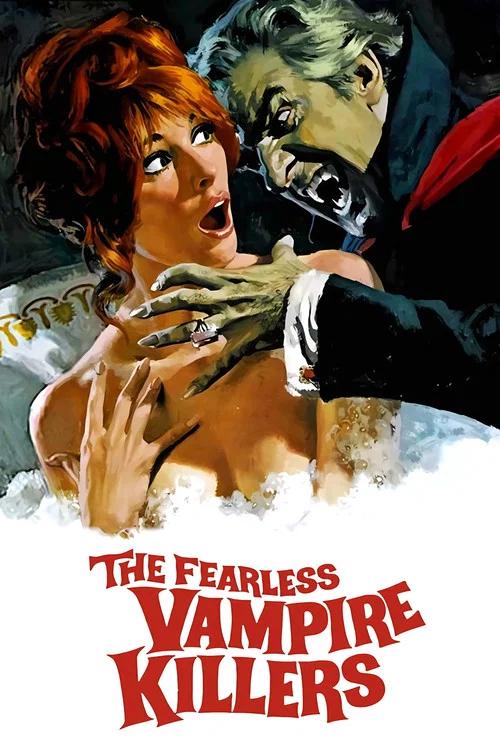
Films that share techniques with King Kong include Killers of the Flower Moon (2023), The Fearless Vampire Killers (1967), Forrest Gump (1994), The Lord of the Rings: The Two Towers (2002).