Comparison · 4 shared techniques

Moonlight vs The Worst Person in the World

Moonlight (2016) and The Worst Person in the World (2021) share 4 techniques. Here is how each film uses them.

Shared

Same technique, two films

Tonal Succession

Switching to a clearly different look and mood from one part to the next, either between chapters of 1 film or between a film and its sequel.

Moonlight

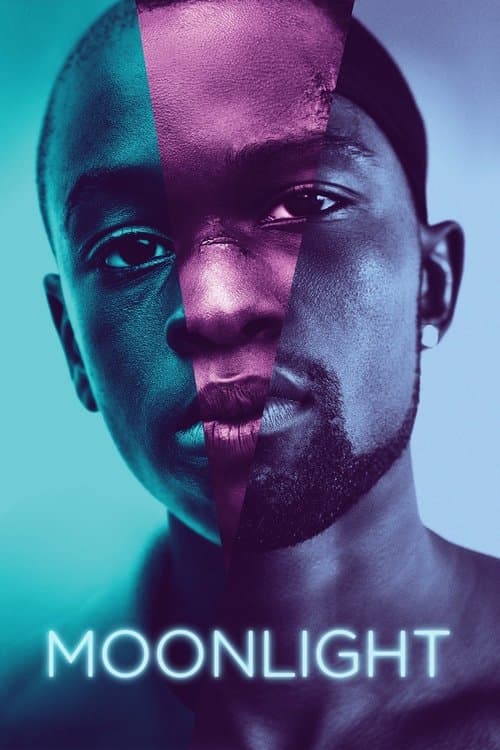
The 3 chapters (Little, Chiron, Black) each have their own look and mood. The child's chapter is soaked in blue and feels fluid, with the camera moving along with him. The teenager's is harder and more still. The adult's barely moves at all. It has the stillness of someone who has sealed himself inside a persona. Seen in order, the 3 moods track how he shuts himself down.

The Worst Person in the World

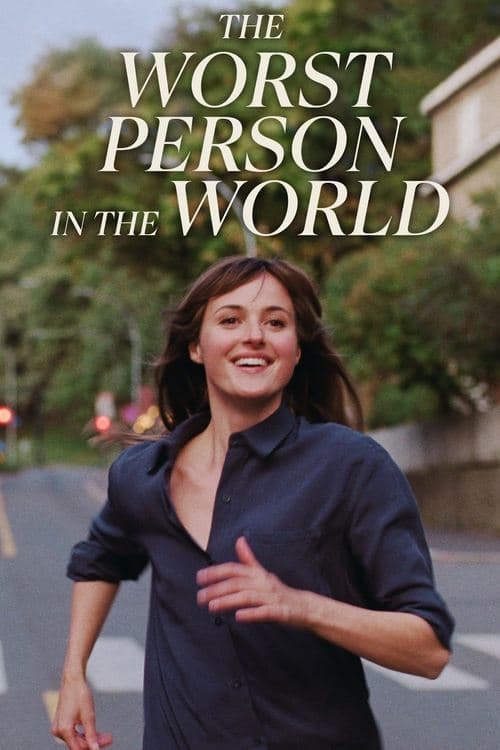
Across its 12 chapters, the film moves between romantic comedy, magical realism, sharp grief and quiet realism. Each change of tone follows a different phase of who Julie is becoming. The film slides between genres the same way she refuses to settle on one identity.

Non-Linear Narrative

Telling the story out of order by jumping between time periods. The order you see events in changes how you understand them.

Moonlight

The film is a triptych, a story in 3 panels. It breaks Chiron's life into 3 labeled chapters with a jump in time between each. You have to piece together 1 continuous person from moments that don't connect.

The Worst Person in the World

Each chapter is a separate episode in Julie's life. The portrait you get is non-linear. The chapters connect mostly through emotion and theme, and strict cause and effect matters a lot less.

Observational Restraint

Watching events from a measured distance with no swelling music, tear-jerking close-ups or showy camera moves. The film trusts what happens to carry the weight on its own.

Moonlight

Jenkins refuses to over-explain what Chiron is feeling inside. Silence, glances and the way he holds his body carry scenes that lesser films would spell out.

The Worst Person in the World

Trier watches Julie's choices without judging them. That covers her indecision, her self-sabotage and her genuine attempts to be honest. The film trusts you to understand that the 'worst person in the world' is simply someone trying to figure out who she is.

Deliberate Close-Up Performance

Holding a close-up on an actor's face long enough to catch tiny changes in expression. You read what the character is thinking from details a wider shot would miss.

Moonlight

The camera stays extremely close to Chiron's face throughout. He keeps it carefully blank, and that blankness becomes the main source of tension in the film.

The Worst Person in the World

Kasper Tuxen's camera stays close to Renate Reinsve throughout. In the end, what the film has to say is in the precise movements of her face. It passes through feelings that the ironic chapter titles can't keep at a distance.

Different

Where they split