Teenagers on Elm Street share the same bad dreams about a scarred man with a clawed glove, and those who die in their sleep die in real life. Craven turns bedrooms into the least safe place on earth, and the rules he sets up are the thing to watch.
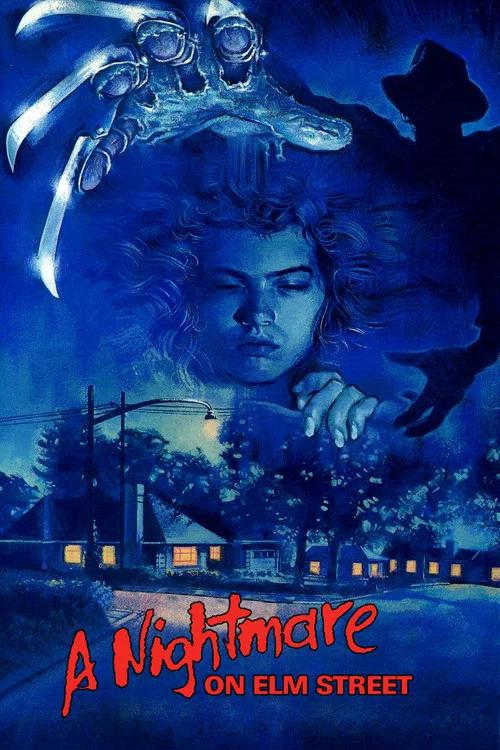
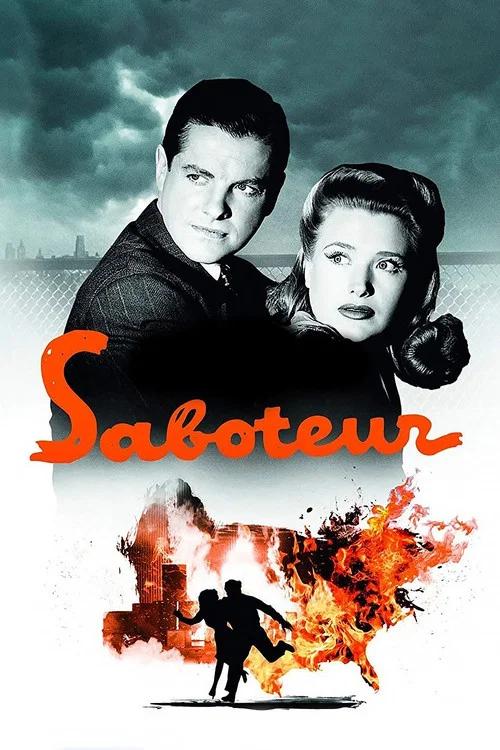
A Nightmare on Elm Street is a 1984 horror film directed by Wes Craven. This breakdown covers 5 techniques (3 narrative, 1 cinematography and 1 psychology), each with the scene where you can see it. If you like how it is made, Saboteur uses several of the same techniques.
Arranging scenes the way a dream moves, where one image leads to the next by feeling or association. Events don't follow normal cause and effect.
How this film uses it
The dreams slide into the waking world with no warning. A hallway becomes a boiler room, and you cannot tell which side of the line a scene is on. You feel as sleepless as Nancy.
Where to see it
The classroom dream: Nancy dozes off at her desk and sees a body bag in the school hallway, then the clawed man in the boiler room. She burns her arm on a pipe and jolts awake in class.
Creating effects physically on set with makeup, prosthetics, built props and camera tricks, with no computer graphics added later. The results look solid and real.
How this film uses it
The death scenes use real sets and tricks. A room was built to spin, and a bed was rigged to spray blood. Nothing is added later, so the gore feels like it happens right in front of you.
Where to see it
Tina's death: she is dragged up the wall and across the ceiling of her bedroom while her boyfriend watches. Glen's death: his bed swallows him and sprays a fountain of blood to the ceiling.
Binding several characters together through a secret wrong that they hold, confess or hide. The guilt is spread among them and shapes how they treat one another.
How this film uses it
The parents of Elm Street hid a crime from their children. Years ago they burned the child killer who got off on a technicality, and the guilt now feeds the monster. The adults do not talk, so the kids are left to find out.
Where to see it
Nancy's mother: she shows Nancy the clawed glove hidden in the furnace and tells her how the parents burned Freddy alive.
Giving the threat a short list of clear rules early in the film. You then use those rules to predict danger, which keeps you checking every scene alongside the characters.
How this film uses it
Freddy can only hurt you when you sleep. The rule is clear from the start, so every scene of someone fighting off sleep builds tension. You start to count the hours with the teens.
Where to see it
The coffee scene: Nancy sips coffee and stays up for days, then sets traps and plans to pull Freddy out of her dream and into the real world.
Making an innocent person look guilty through coincidence and circumstantial evidence, while the audience knows or senses the truth. Everyday life turns dangerous because nobody believes them.
How this film uses it
Rod is the only one who sees Tina die, and the police see only a boy in a room with a body. Nobody believes the truth, and the real killer cannot be arrested.
Where to see it
Rod's arrest: police take Rod away for Tina's death. He is later found dead in his cell, apparently hanged with his own bedsheet.
Questions
A Nightmare on Elm Street: quick answers
What filmmaking techniques does A Nightmare on Elm Street use?
CineCode breaks down 5 techniques in A Nightmare on Elm Street (1984): Dream Logic Structure, Practical In-Camera Effects, Shared Secret Guilt, Rule-Based Threat and Wrong Man Plot.
Who directed A Nightmare on Elm Street?
Wes Craven directed A Nightmare on Elm Street, released in 1984. CineCode also covers Scream (1996).
What films are similar to A Nightmare on Elm Street?
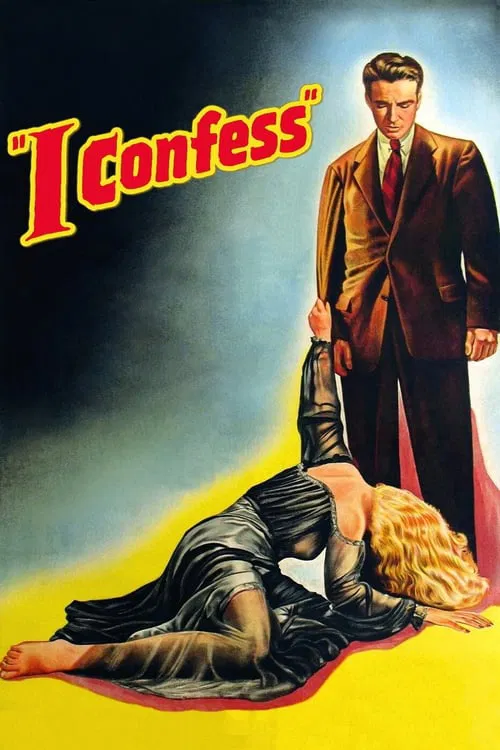
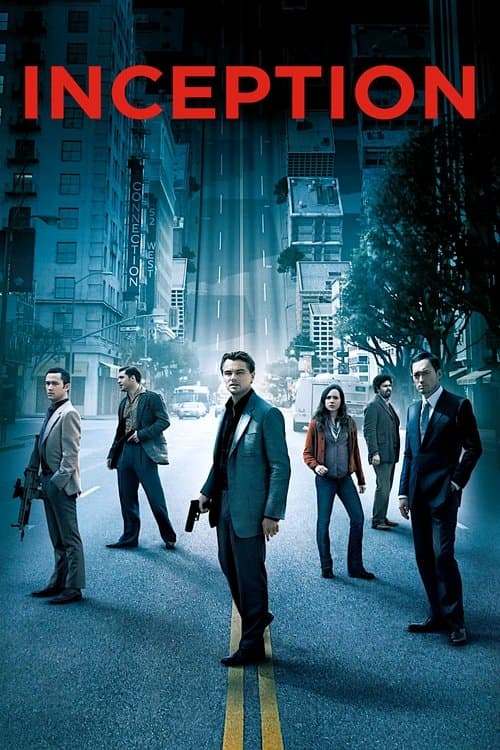
Films that share techniques with A Nightmare on Elm Street include Saboteur (1942), I Confess (1953), Blade II (2002), Inception (2010).