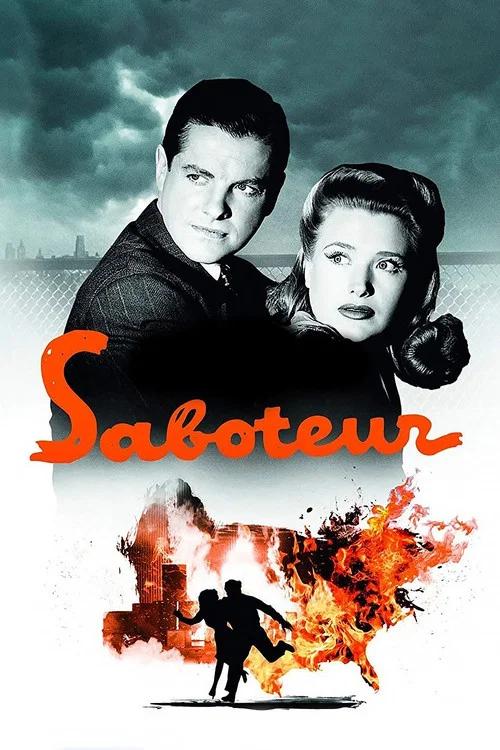
Thriller · Action · Adventure

Saboteur

Alfred Hitchcock, 1942

After a fire at his aircraft plant, factory worker Barry Kane is blamed for sabotage and chases the real culprit across America, from a desert ranch to New York. Look for how Hitchcock turns famous landmarks into set pieces.

Saboteur (1942) poster

At a glance

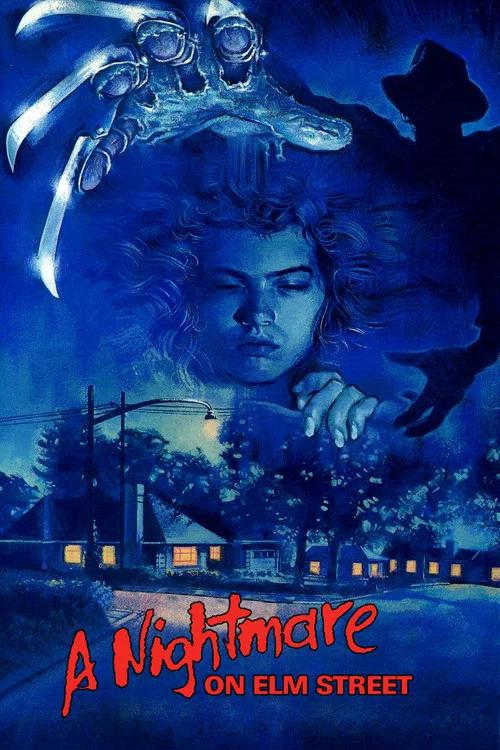
Saboteur is a 1942 thriller, action and adventure film directed by Alfred Hitchcock. This breakdown covers 5 techniques (2 narrative, 1 editing, 1 cinematography and 1 sound), each with the scene where you can see it. If you like how it is made, A Nightmare on Elm Street uses several of the same techniques.

Narrative

Wrong Man Plot

Making an innocent person look guilty through coincidence and circumstantial evidence, while the audience knows or senses the truth. Everyday life turns dangerous because nobody believes them.

How this film uses it

Barry is an ordinary worker who sees the real saboteur, Fry, but nobody can find Fry on the payroll. With the police after him, every stranger might be a threat or a rescuer. Hitchcock uses that pressure to drive the whole cross-country chase.

Where to see it

The factory fire. Barry is suspected of the blaze, and when he goes looking for Fry, no one by that name has ever worked at the plant.
Narrative

Ordinary Person in Extraordinary Plot

Dropping a normal citizen with no special training into a conspiracy or crime. You identify with them because they are as unprepared as you would be.

How this film uses it

Hitchcock said he wanted the leads to show the thrilling importance of unimportant people. Barry is a young worker with no training in spying. He stumbles into a ring of saboteurs, and you feel how little he can do except keep moving.

Where to see it

The desert ranch. Barry follows an address from an envelope and discovers that a respected rancher is secretly working with the saboteurs.

Editing

Story Within Story Framing

Opening or echoing the film with a staged story inside it, such as a fake opening or a film within a film. The frame sets up a layer of expectation that the film then plays with.

How this film uses it

Fry flees into a theater where a movie is playing. Hitchcock combined gunshots on the screen with the real shooting in the theater, so the two blur together. The audience in the film is caught between the fake shootout and the real one.

Where to see it

The Radio City Music Hall scene. Fry terrorizes the audience at gunpoint while a movie plays on the big screen above them.

Cinematography

Practical In-Camera Effects

Creating effects physically on set with makeup, prosthetics, built props and camera tricks, with no computer graphics added later. The results look solid and real.

How this film uses it

The Statue of Liberty climax uses a built mock-up of the torch platform. Actor Norman Lloyd lay on a black saddle on a black floor while the camera rose 40 feet above him, and film shot at the statue was added behind him. He seems to fall away from the lens with real distance below him.

Where to see it

Fry's fall from the Statue of Liberty. Fry slips over the railing of the torch platform and clings to the statue's hand. Barry tries to save him, but Fry falls to his death.

Sound

Strategic Silence

Removing music, background sound or dialogue from a moment where most films would fill it. The quiet forces you to sit with what is on screen.

How this film uses it

Hitchcock scored no music for the Statue of Liberty climax or the Radio City sequence. Without a score telling you how to feel, you hear only what is happening in the scene. The scenes feel more exposed.

Where to see it

The Statue of Liberty chase. Barry chases Fry to the torch of the Statue of Liberty, and Hitchcock leaves the score out.

Questions

Saboteur: quick answers

What filmmaking techniques does Saboteur use?
CineCode breaks down 5 techniques in Saboteur (1942): Wrong Man Plot, Ordinary Person in Extraordinary Plot, Story Within Story Framing, Practical In-Camera Effects and Strategic Silence.
Who directed Saboteur?
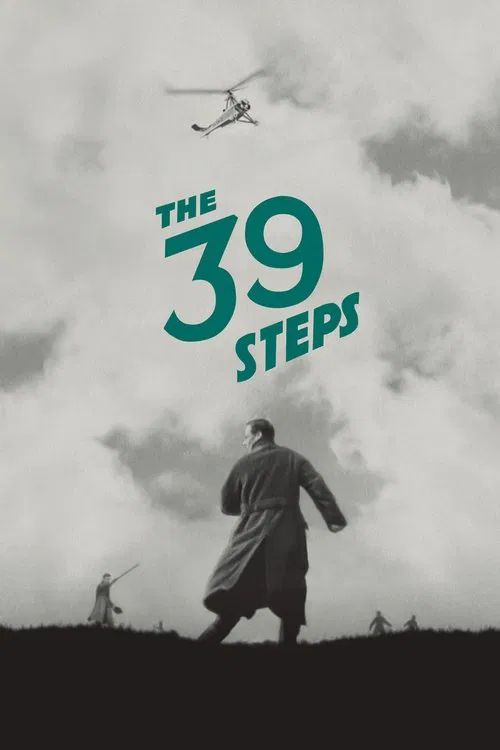
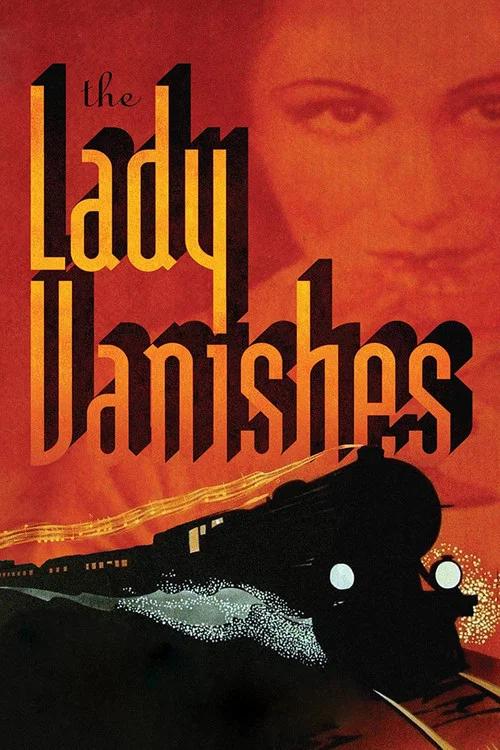
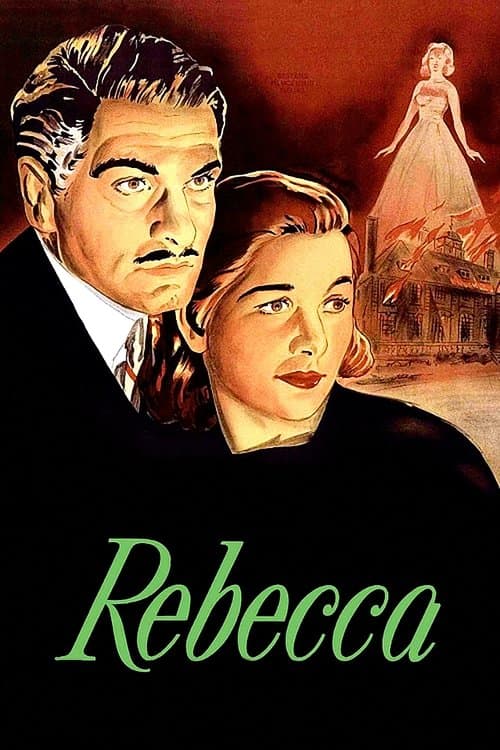
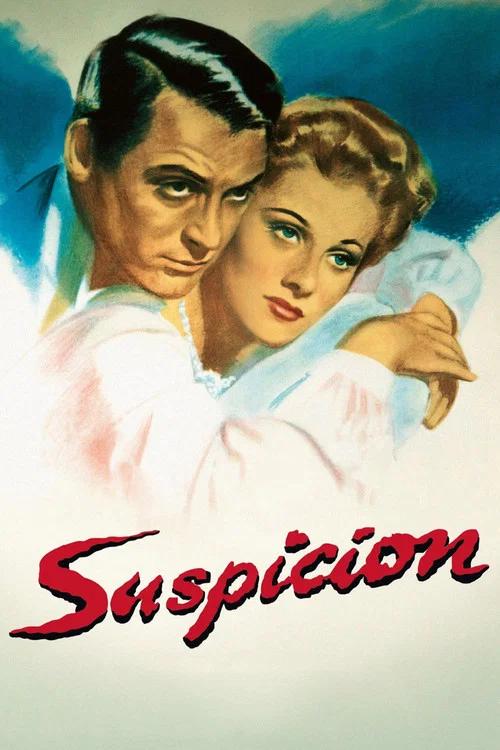
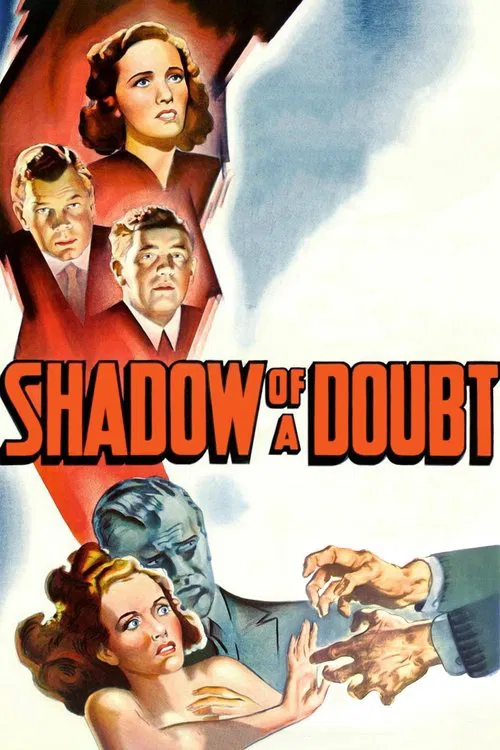
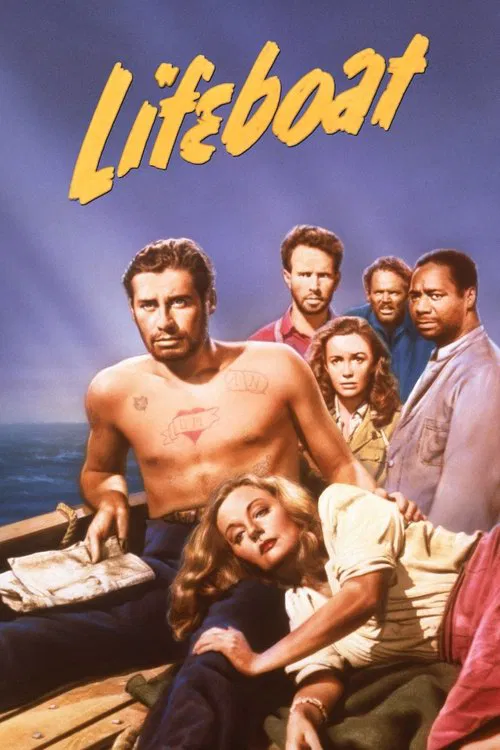
Alfred Hitchcock directed Saboteur, released in 1942. CineCode also covers The 39 Steps (1935), The Lady Vanishes (1938), Rebecca (1940), Suspicion (1941), Shadow of a Doubt (1943), Lifeboat (1944).
What films are similar to Saboteur?
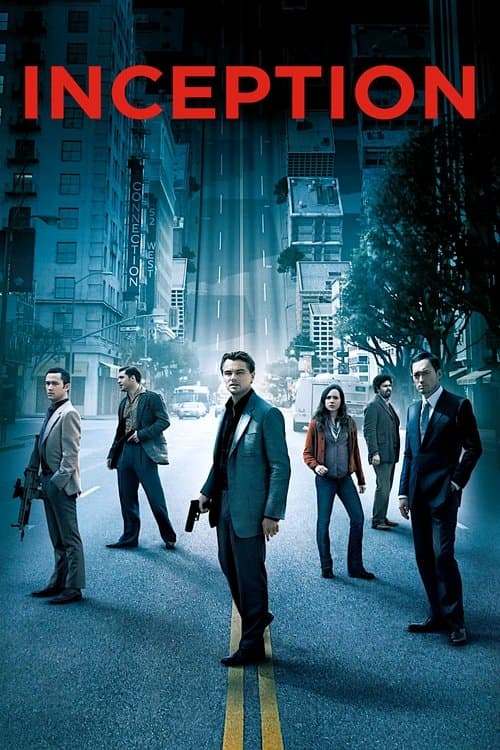
Films that share techniques with Saboteur include A Nightmare on Elm Street (1984), Inception (2010), Eternal Sunshine of the Spotless Mind (2004), Schindler's List (1993).