Narrative technique · used in 24 films

Dream Logic Structure

Arranging scenes the way a dream moves, where one image leads to the next by feeling or association. Events don't follow normal cause and effect.

Examples

24 films that use it

  1. Spellbound (1945) poster

    Spellbound

    Alfred Hitchcock · 1945

    The hero's dream strings together a card club, a rooftop and a chase by wings. One image leads to the next by feeling, and it only makes sense once someone decodes it. Hitchcock hired Salvador Dali to help design it, though only about 2 minutes of the sequence stayed in the film.

    Where to see it: The dream sequence. 'Brown' describes playing cards in a mysterious club, an older man falling from a rooftop and a pair of wings chasing him downhill.

  2. Wild Strawberries (1957) poster

    Wild Strawberries

    Ingmar Bergman · 1957

    The opening dream has a deserted street and a hearse that loses a wheel and spills a coffin, and the corpse inside is Isak. It runs on Freudian dream logic, where every image stands for a hidden fear. The symbols (the clock with no hands, himself as a corpse) show you his state of mind and tell you nothing about the plot. Bergman slips the dreams in so smoothly that you can't always tell memory from dream, and he means it that way.

    Where to see it: The opening nightmare. Isak sees his own corpse in the coffin that slides out of the hearse. The dream tells you what is wrong inside him before the journey begins.

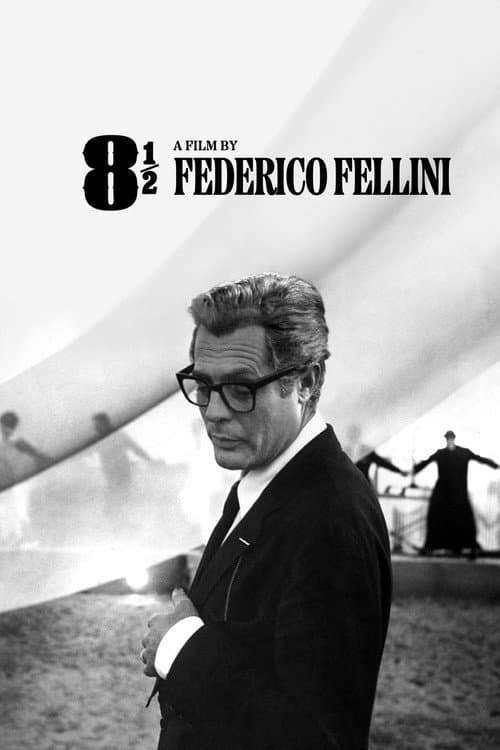
  3. 8½ (1963) poster

    8½

    Federico Fellini · 1963

    Fellini moves between Guido's present, his childhood memories, his fantasies about women and his recurring harem dream. He gives you no warning and no transition when he switches. The way the film is put together copies the director's state of mind. That is, every time period and every desire is in his head at once, and he can't organize them into a film.

    Where to see it: The harem sequence. Guido fantasizes about controlling all the women in his life. The dream gives him what he wants, then the women rebel and spoil it right away.

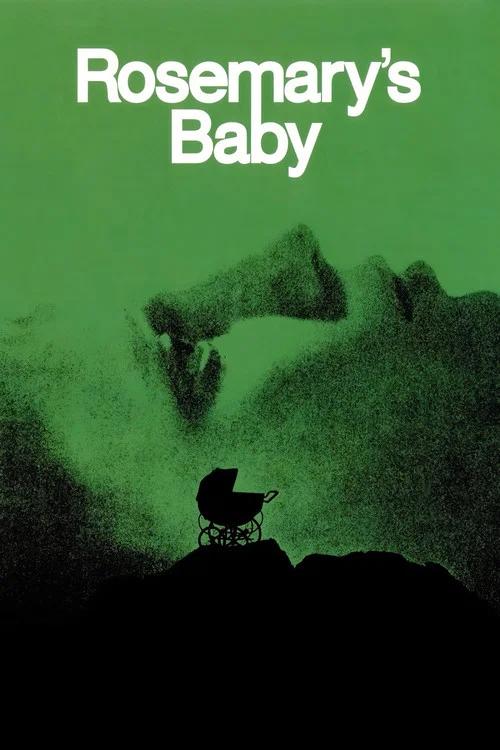
  4. Rosemary's Baby (1968) poster

    Rosemary's Baby

    Roman Polanski · 1968

    After eating the neighbors' chocolate mousse, Rosemary drifts into a dream that jumps from a yacht at sea to a room full of strangers watching her. The images slide into each other with no clear order. You feel her drugged confusion, and you can't tell what is really happening to her body.

    Where to see it: The conception night. Rosemary passes out and has a vision of a demonic figure raping her while others watch. She wakes up covered in scratches.

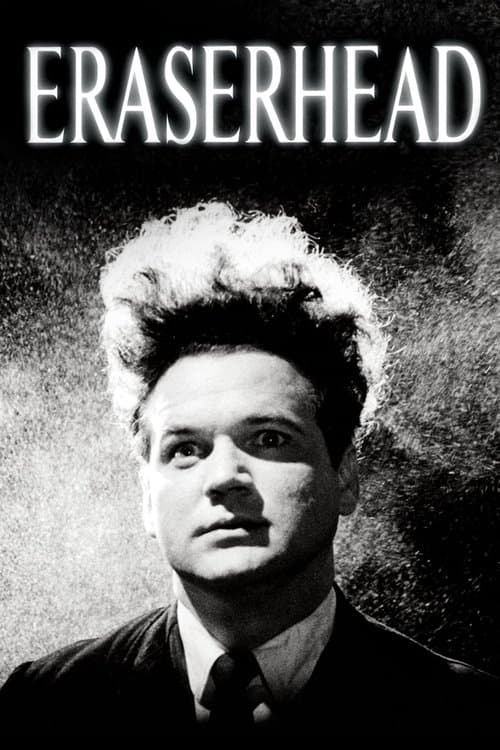
  5. Eraserhead (1977) poster

    Eraserhead

    David Lynch · 1977

    Lynch builds Eraserhead the way a bad dream is built. No rational system can explain what happens, and the visual symbols hit you as feeling directly. There is no plot you can decode, so the film's 'meaning' is the emotional reaction it gets out of you.

    Where to see it: The Lady in the Radiator sequence. A disfigured woman stamps on spermatozoa while singing 'In Heaven, Everything Is Fine'. The dream image gives you Henry's terror and his longing at the same time.

  6. 3 Women (1977) poster

    3 Women

    Robert Altman · 1977

    Events follow feeling more than cause and effect. Pinky jumps from a balcony, wakes up changed and the 2 women slide into new roles with no explanation. Altman has said the film began as a dream, and it keeps that haze.

    Where to see it: The pool: after an argument, Pinky jumps from the apartment balcony into the pool and falls into a coma. When she wakes, she acts like a different person.

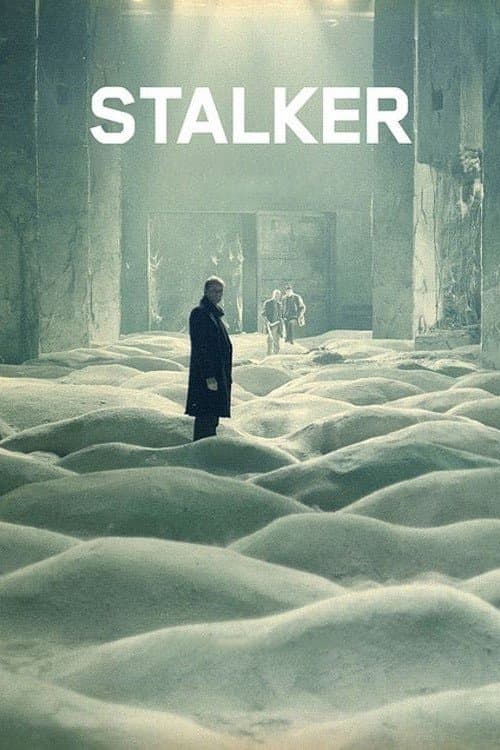
  7. Stalker (1979) poster

    Stalker

    Andrei Tarkovsky · 1979

    The Zone breaks the laws of physics in ways the film never explains. Paths reverse, safe routes shift and you can't cross the same space the same way twice. The story gives no reason for these rules. It simply asks the characters (and you) to accept that the Zone's logic is real, even when it contradicts everything outside it.

    Where to see it: The Stalker's instruction to never go straight toward the Room. The Zone demands an indirect approach, so the shortest distance between 2 points becomes impossible.

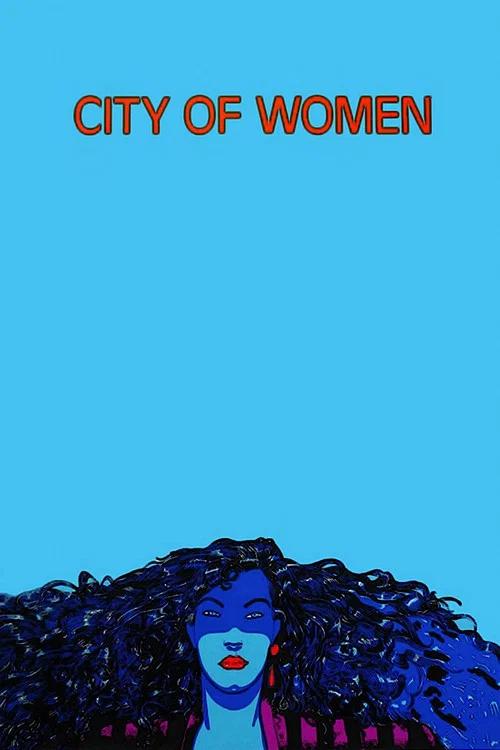
  8. City of Women (1980) poster

    City of Women

    Federico Fellini · 1980

    One strange scene leads to the next by feeling, not by plot. The roller-skating escape, the mansion and the trial all follow a dreamer's logic.

    Where to see it: The gymnasium: Donatella forces Snaporaz into roller skates and angry women circle him, and he stumbles on through a furnace room and a farm before he reaches Katzone's mansion.

  9. A Nightmare on Elm Street (1984) poster

    A Nightmare on Elm Street

    Wes Craven · 1984

    The dreams slide into the waking world with no warning. A hallway becomes a boiler room, and you cannot tell which side of the line a scene is on. You feel as sleepless as Nancy.

    Where to see it: The classroom dream: Nancy dozes off at her desk and sees a body bag in the school hallway, then the clawed man in the boiler room. She burns her arm on a pipe and jolts awake in class.

  10. Brazil (1985) poster

    Brazil

    Terry Gilliam · 1985

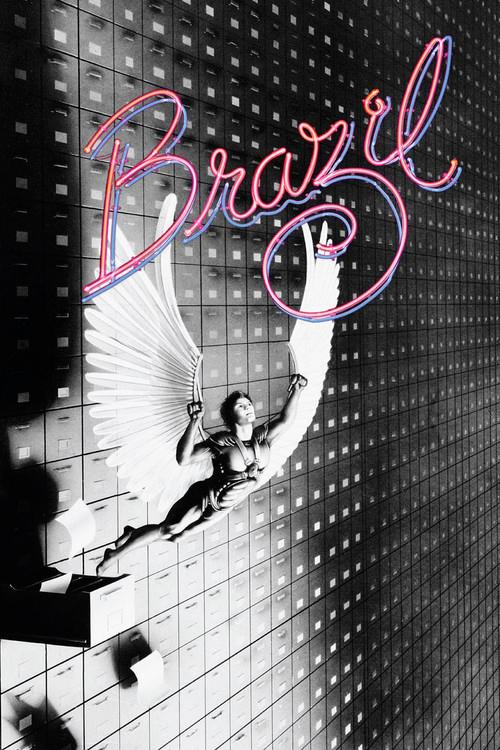
    In his fantasies, Sam is a winged hero saving a woman from monsters and fighting battles in an endless sky. These sequences run on pure dream logic. They are surreal and they grant his wishes. The real world keeps breaking in and spoiling them more and more. As it tightens around Sam, his dreams become his only refuge and, in the end, the place he ends up.

    Where to see it: Sam's escalating dream sequences. Samurai bureaucrats and giant faces spoil the heroic fantasy. The dreams show you how far the real world has pushed in.

  11. Blue Velvet (1986) poster

    Blue Velvet

    David Lynch · 1986

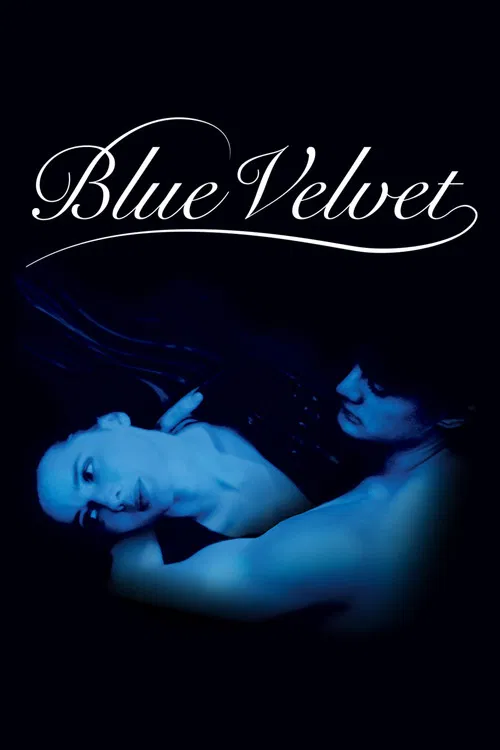
    In the second half of the film, Jeffrey gets more deeply involved with Frank and Dorothy, and it runs on nightmare logic. Frank is menacing the way a figure in a dream is. You can't explain him, he takes over everything and he follows rules the dreamer can't see. In these sequences, Lynch's images deny you the comfort of normal cause and effect.

    Where to see it: Frank's joyride. It's a non-linear sequence with the songs, the violence and the strange figures in the bright light. Dream logic takes the place of any normal story explanation.

  12. Dreams (1990) poster

    Dreams

    Akira Kurosawa · 1990

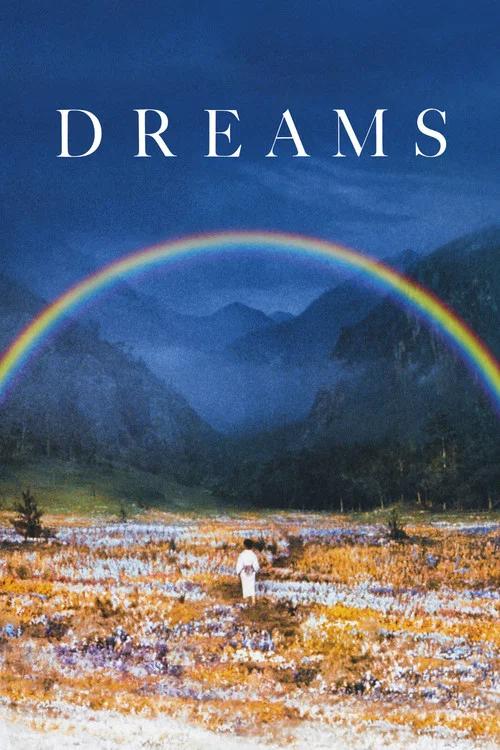
    The 8 segments don't add up to one plot. They jump from childhood to war to the end of the world the way dreams do, by feeling. What links them is the same stand-in hero and the same worries about nature and death.

    Where to see it: Sunshine Through the Rain. A boy watches a slow fox wedding in the forest, and his mother hands him a knife and sends him off to beg the foxes for forgiveness.

  13. Twin Peaks: Fire Walk with Me (1992) poster

    Twin Peaks: Fire Walk with Me

    David Lynch · 1992

    Lynch moves into the Red Room, where a future version of Cooper and the Man from Another Place talk to Laura like figures in a dream. Nothing in these scenes follows normal cause and effect, yet each one pushes Laura toward her fate. You feel the warning before you can explain it.

    Where to see it: Laura's Red Room dream. The Man from Another Place offers her Teresa's ring, and Cooper tells her to refuse it.

  14. Being John Malkovich (1999) poster

    Being John Malkovich

    Spike Jonze · 1999

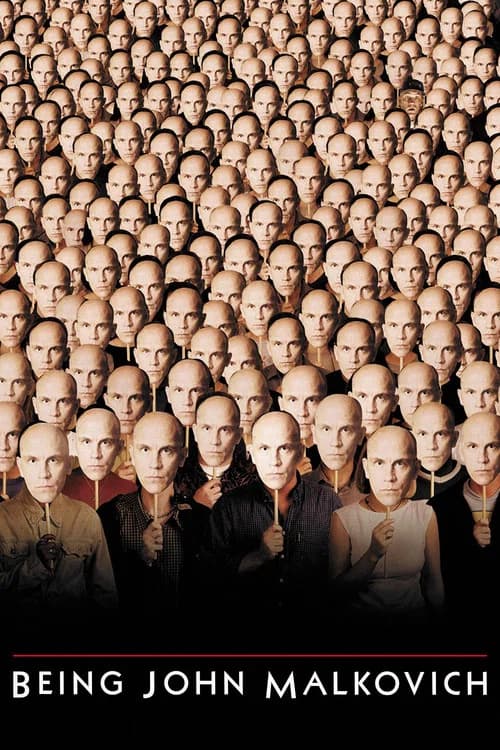
    The rules change partway through: the portal extends, Malkovich can be controlled, a baby is chosen as a vessel. Each new twist follows its own strange logic, like a dream. Building a consistent world is fairly low on the film's list.

    Where to see it: Lester's explanation that he hops from body to body and would be trapped in a newborn if he arrives late. The film plays it as a beat of dark comedy and horror.

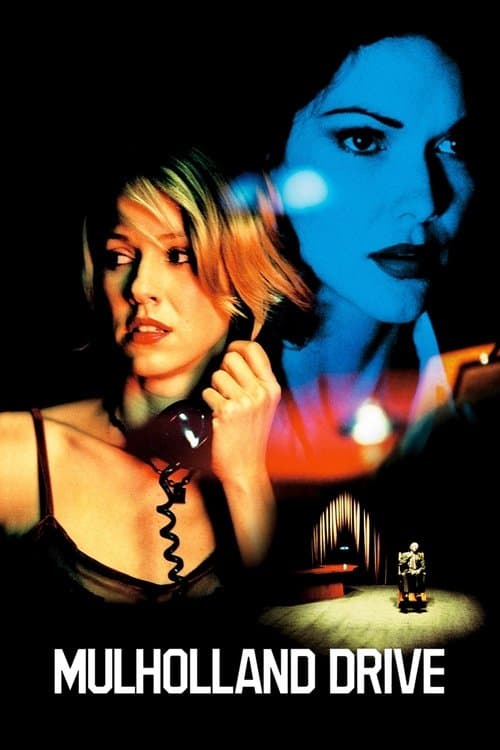
  15. Mulholland Drive (2001) poster

    Mulholland Drive

    David Lynch · 2001

    The first 2 thirds of the film are a wish-fulfillment fantasy. The final third shows the 'real' version that the fantasy was burying. I feel like that matches how dreams work, since a dream rewrites things in your head.

    Where to see it: The blue box and key in Act 2. When they appear, the dream collapses into reality.

  16. Paprika (2006) poster

    Paprika

    Satoshi Kon · 2006

    Kon builds the dream sequences the way actual dreams work. Rooms lead to other rooms that couldn't be there, and characters transform in the middle of a scene. One thing follows another because of feeling, and cause and effect drop away. The film treats this dream logic as just as real as waking logic.

    Where to see it: The parade sequence. A procession of toys, appliances and cultural objects marches through a dreamscape. In it, size, physics and identity keep changing.

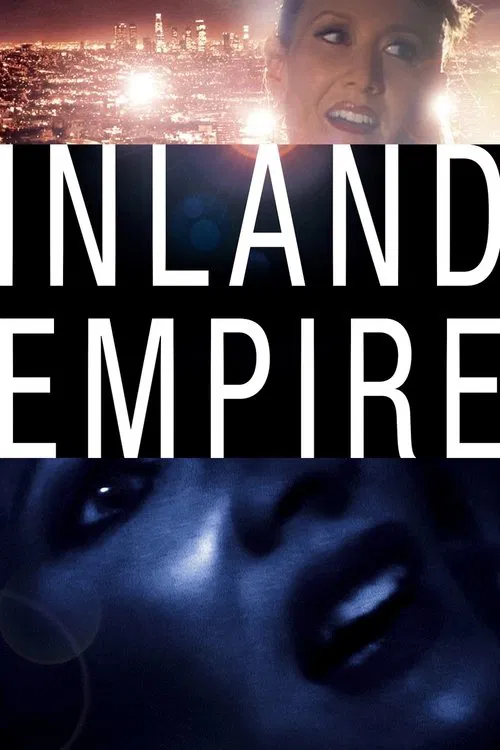
  17. Inland Empire (2006) poster

    Inland Empire

    David Lynch · 2006

    Lynch wrote the film one scene at a time and gave the actors new pages each day, and it plays like a dream that keeps changing rooms. A door marked 'Axxon N.' links the film set to other places and times. You stop asking what happens next and start asking what the images mean.

    Where to see it: The Axxon N. door. Nikki passes through it, and the film jumps into other times and places.

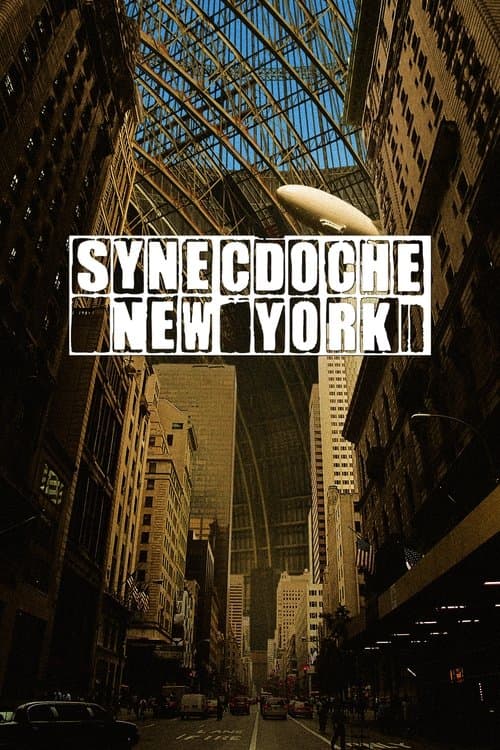
  18. Synecdoche, New York (2008) poster

    Synecdoche, New York

    Charlie Kaufman · 2008

    As the film goes on, the warehouse production grows to take in the city. Actors hire actors to play themselves, and the line between play and life dissolves entirely. The final act runs on pure dream logic. Decades shrink into moments. Caden switches between directing his own production and living inside it, and cause and effect swap places.

    Where to see it: The late warehouse sequences. The production has grown to contain the neighborhood. Caden is directing actors playing actors playing people who no longer exist.

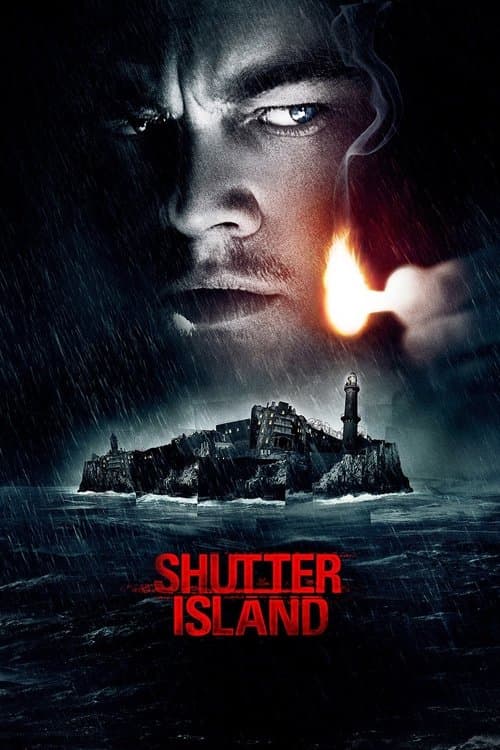
  19. Shutter Island (2010) poster

    Shutter Island

    Martin Scorsese · 2010

    Teddy keeps having visions of his wife and daughter, and they work the way dreams do. She dissolves into ash, the geography is impossible and the children rise out of water. Scorsese shoots these sequences to look like traumatic memory, which is different from how a hallucination would look. They hang together too well to be psychotic and are too impossible to be real. So the dream logic ends up as the film's evidence for both readings at once.

    Where to see it: The recurring Dolores visions. There's the ash from her dress, and trauma shown with exact physical detail. It looks like memory and works like delusion.

  20. The Wind Rises (2013) poster

    The Wind Rises

    Hayao Miyazaki · 2013

    Jiro's dreams of flight and of Caproni hold together the way real dreams do. Wind, aircraft and conversation exist in spaces that follow the rules of emotion and ignore the rules of physics. Nevertheless, the film treats the dreams as just as real as the waking scenes of engineering and romance.

    Where to see it: The recurring dream in which Caproni's aircraft fills the sky. The Italian engineer and the Japanese boy share a dreamed language about the beauty and cost of flight.

  21. Hereditary (2018) poster

    Hereditary

    Ari Aster · 2018

    The final act runs entirely on nightmare logic. The rules of space break down, time becomes uncertain and the layout of the house changes. Aster moves into a mode where you can't reason things out. The events still follow a logic, just a different one. The shift is on purpose. By this point, the film has stopped arguing anything and is putting you through an experience.

    Where to see it: The attic sequence and its aftermath. The film drops normal cause and effect. What replaces it is dread that follows the rules of the worst dream.

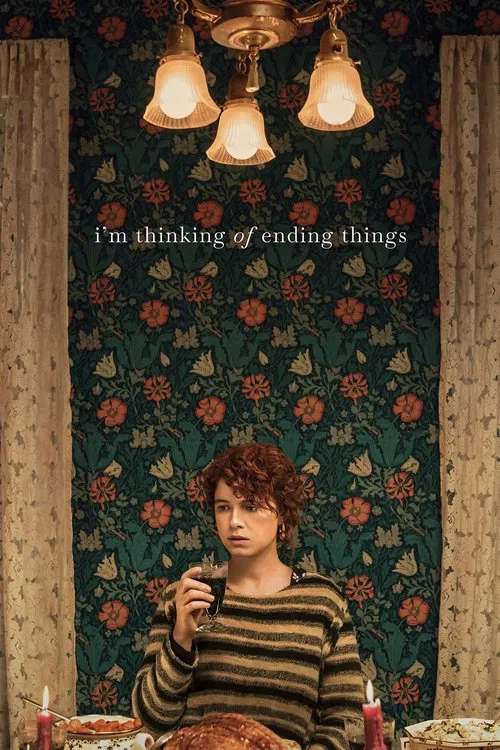
  22. I'm Thinking of Ending Things (2020) poster

    I'm Thinking of Ending Things

    Charlie Kaufman · 2020

    Jake's parents age and change from scene to scene, the woman's name and job keep shifting, and rooms do not add up. The film moves by feeling, so you stop asking what happened and start asking what it means.

    Where to see it: The dinner at the farm: Jake's mother and father seem to change age between shots, appearing older and then younger without comment.

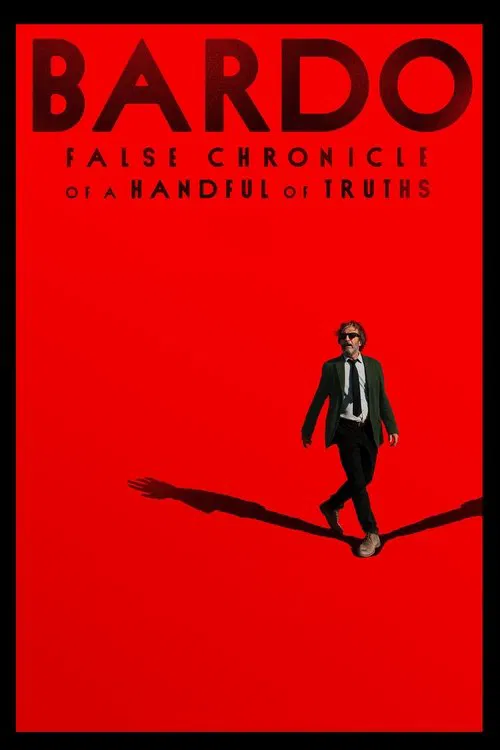
  23. BARDO, False Chronicle of a Handful of Truths (2022) poster

    BARDO, False Chronicle of a Handful of Truths

    Alejandro G. Iñárritu · 2022

    Scenes follow feeling and association, and cause and effect fade away. A visit to a restroom leads to a talk with his dead parents. A walk out of his mother's building leads to crowds of the dead collapsing in the street.

    Where to see it: The party restroom. Silverio retreats to a restroom and imagines reconciling with his dead parents.

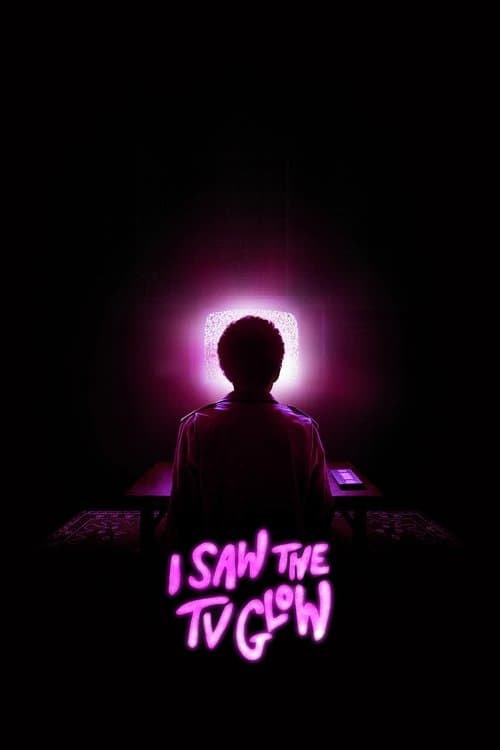
  24. I Saw the TV Glow (2024) poster

    I Saw the TV Glow

    Jane Schoenbrun · 2024

    Schoenbrun builds the film's reality like a dream that is almost real. Things that should be impossible happen and nobody comments. Scenes change with no logic. Nobody ever states the world's rules because in a dream, you simply feel them.

    Where to see it: The sequences where the TV show's world bleeds into suburban reality. The film never clearly tells you which layer of reality the characters are in. That uncertainty is where the horror comes from.

Questions

Quick answers

What is dream logic structure in film?
Arranging scenes the way a dream moves, where one image leads to the next by feeling or association. Events don't follow normal cause and effect.
Which films use dream logic structure?
Spellbound (1945), Wild Strawberries (1957), 8½ (1963), Rosemary's Baby (1968), Eraserhead (1977), 3 Women (1977) and 18 more films in the CineCode library.
What kind of technique is dream logic structure?
It is a narrative technique. Related narrative techniques include Circular Structure, Autobiographical Distance.