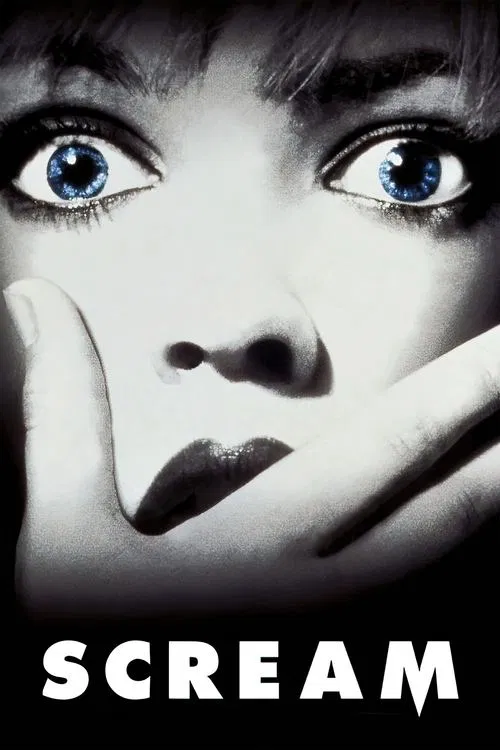
A year after her mother's murder, high schooler Sidney Prescott is targeted by a masked killer who calls his victims and quizzes them on horror movies. Her friends all know the slasher rules, and that doesn't save them. Watch it for how Craven and writer Kevin Williamson use your own genre knowledge against you.
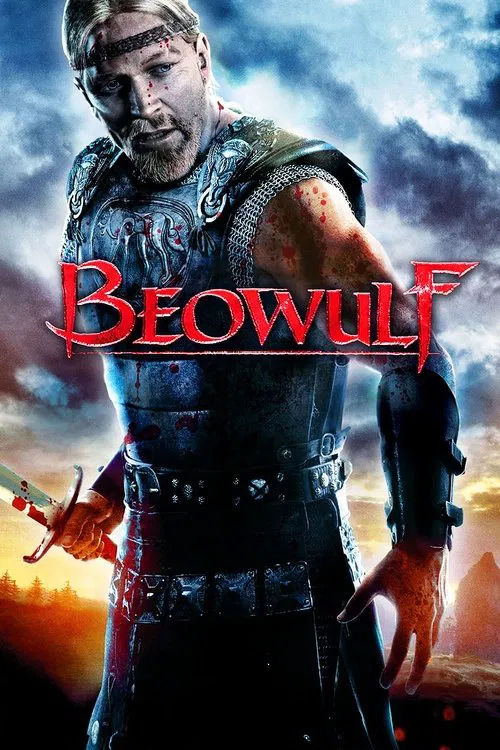
Scream is a 1996 horror and mystery film directed by Wes Craven. This breakdown covers 5 techniques (3 narrative, 1 sound and 1 cinematography), each with the scene where you can see it. If you like how it is made, Beowulf uses several of the same techniques.
Setting up a film to look like a familiar genre, then breaking that genre's rules on purpose. You have to rethink what kind of story you are watching.
How this film uses it
Drew Barrymore was the biggest name in the cast and was first cast as Sidney. She asked for the smaller role of Casey instead. Killing her in the first scene tells you the usual rules about who survives don't apply here.
Where to see it
The opening. Casey is home alone when a stranger calls and makes her answer horror trivia to save her boyfriend. She gets a Friday the 13th question wrong, and the killer comes for her.
Making a sound, voice or call drive the story itself. A phone line, a mimicked noise or a spliced recording changes what characters do or believe.
How this film uses it
The killer's calm, teasing voice on the phone is the first thing you meet. He could be calling from anywhere, including inside the house. It also makes anyone holding a phone a suspect.
Where to see it
Sidney's first attack. The killer calls Sidney at home and attacks her. Right after, her boyfriend Billy climbs in through her window and a phone falls out of his pocket.
Writing long speeches where characters talk in detail about films, music or other pop culture. How they analyze these small things shows you who they are.
How this film uses it
Randy, the video store clerk, explains the rules for surviving a horror movie to a room full of drunk teenagers. Don't have sex, don't drink or do drugs and never say "I'll be right back." It is a joke and a warning, and the film then uses those rules on its own characters.
Where to see it
The party at Stu's house. Randy lays out the rules in front of the TV while Halloween plays and the other guests talk over him.
Letting the audience know something a character doesn't. You watch them act without that knowledge, which creates suspense, dread or dark comedy.
How this film uses it
Randy yells at the TV, telling the girl in Halloween to look behind her. At the same moment, the killer is standing right behind him. You see both, and Randy sees neither.
Where to see it
Randy on the couch. Everyone else has left the party, and Randy is alone watching Halloween while Ghostface creeps up behind him.
Shooting with the look of surveillance footage: fish-eye lenses, hidden or high angles, static wide frames and cameras placed inside objects. You feel like you are watching remotely, and the image looks strange.
How this film uses it
Reporter Gale Weathers hides a camera in the party house, and her cameraman watches it from the news van. The feed runs 30 seconds behind. So he sees the danger only after it has already happened.
Where to see it
Kenny in the news van. He sees the killer behind Randy on the delayed feed and steps outside to warn him, and the killer is waiting there.
Questions
Scream: quick answers
What filmmaking techniques does Scream use?
CineCode breaks down 5 techniques in Scream (1996): Genre Subversion, Sound as Plot Device, Pop Culture Monologue, Dramatic Irony and Surveillance Camera Grammar.
Who directed Scream?
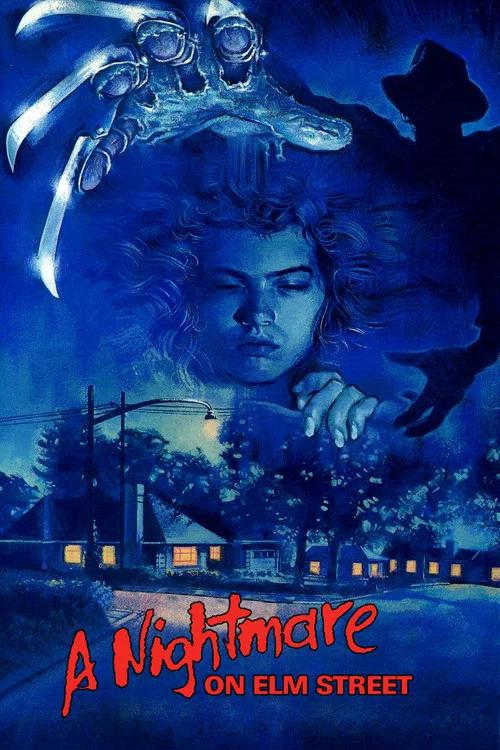
Wes Craven directed Scream, released in 1996. CineCode also covers A Nightmare on Elm Street (1984).
What films are similar to Scream?
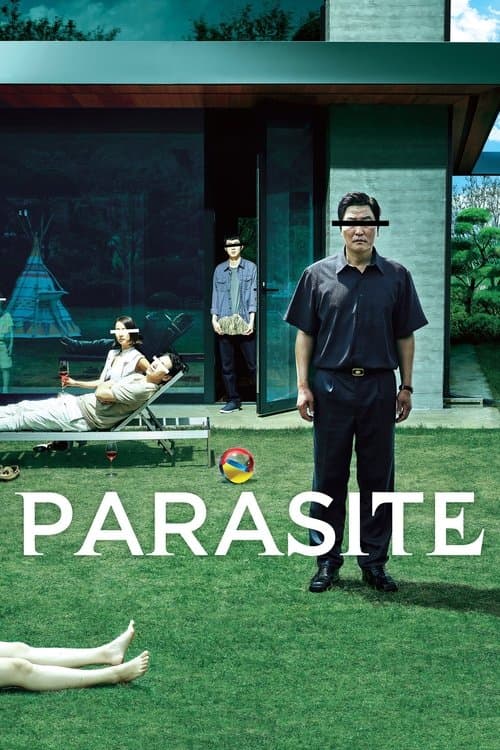
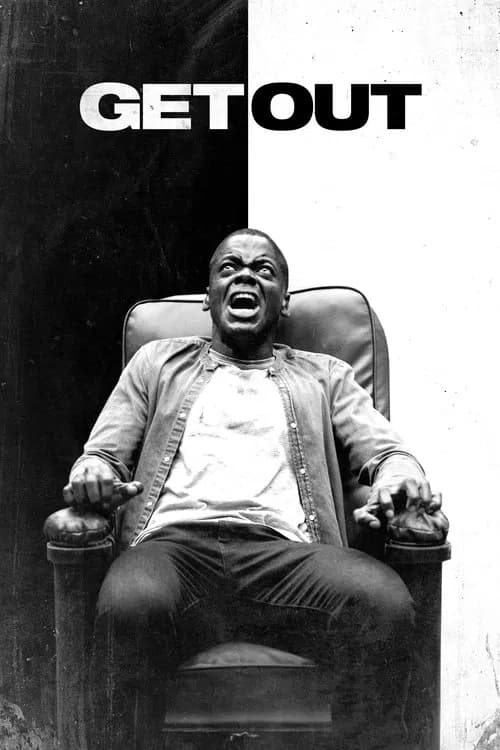
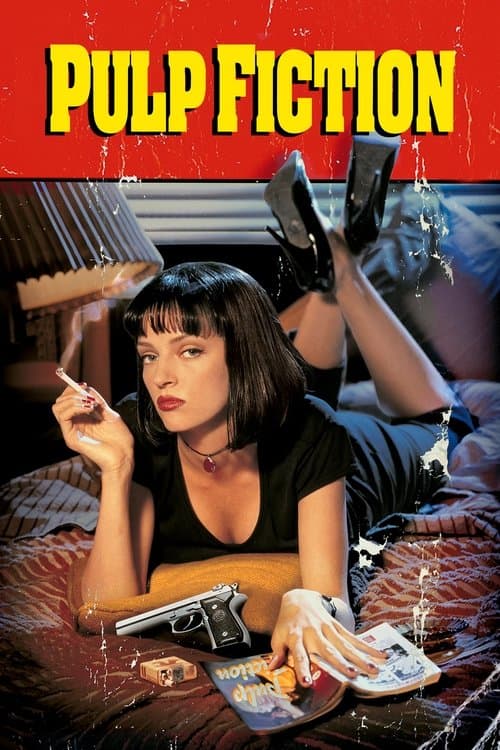
Films that share techniques with Scream include Beowulf (2007), Parasite (2019), Get Out (2017), Pulp Fiction (1994).