Drama · Thriller · Crime

I Confess

Alfred Hitchcock, 1953

In Quebec City, a priest hears a murderer's confession and cannot reveal it, even as the evidence points to him. This is Hitchcock on a man whose vow stops him from defending himself.

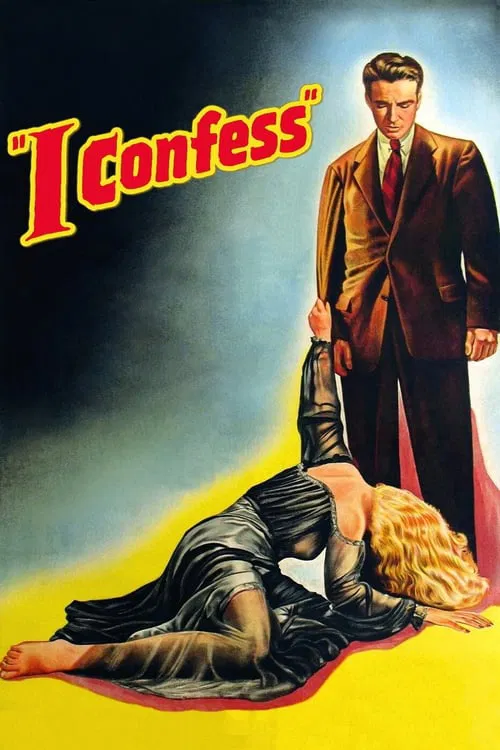
I Confess (1953) poster

At a glance

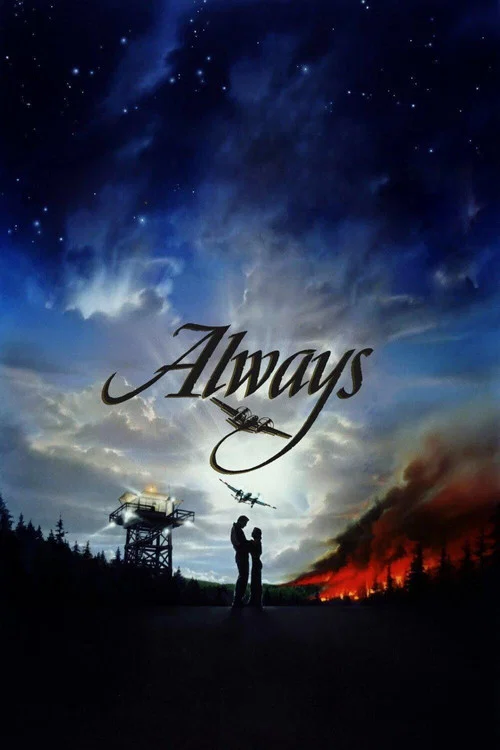
I Confess is a 1953 drama, thriller and crime film directed by Alfred Hitchcock. This breakdown covers 5 techniques (3 narrative, 1 psychology and 1 cinematography), each with the scene where you can see it. If you like how it is made, Always uses several of the same techniques.

Narrative

Dramatic Irony

Letting the audience know something a character doesn't. You watch them act without that knowledge, which creates suspense, dread or dark comedy.

How this film uses it

You know Otto killed the lawyer because you saw him confess. Father Logan cannot tell anyone, so every police question turns into slow pain. The police look in the wrong direction and you watch it happen.

Where to see it

The police interview. Inspector Larrue calls Logan in, and he refuses to give any information about the murder.
Narrative

Wrong Man Plot

Making an innocent person look guilty through coincidence and circumstantial evidence, while the audience knows or senses the truth. Everyday life turns dangerous because nobody believes them.

How this film uses it

Logan has no alibi for the time of death, and 2 girls say they saw a priest leave the lawyer's house. Even after the jury finds him not guilty for lack of evidence, the crowd outside treats him as guilty. Suspicion sticks after the verdict.

Where to see it

The trial verdict. The jury finds Logan not guilty due to insufficient evidence, but the crowd outside the courthouse mobs him.

Narrative

Romantic Triangle Geometry

Building a love story around 3 people, where each pair has its own relationship and the third person always gets in the way. Your sympathy shifts because each of them has a fair claim.

How this film uses it

Logan, Ruth and her husband Pierre form a triangle with 2 different histories. Ruth and Logan were in love before the war, and Pierre is the man she married afterward. That past is what gives Logan no alibi.

Where to see it

Ruth's testimony. She tells the police in flashbacks how she and Logan fell in love, how he went to war and how she married Pierre.

Psychology

Shared Secret Guilt

Binding several characters together through a secret wrong that they hold, confess or hide. The guilt is spread among them and shapes how they treat one another.

How this film uses it

Logan stays calm and says little while others read his silence as guilt. Hitchcock builds the film on what he cannot say. You feel the weight of a vow that keeps him from saving himself.

Where to see it

The confession. Otto confesses the murder in the church confessional, and Logan can say nothing of it to anyone.

Cinematography

Landmark Climax Location

Staging the climax at a famous real place, so the danger plays out against something you already recognize. The location gives the scene scale and stakes.

How this film uses it

Hitchcock shot the film on location in Quebec City, and the ending plays out at the Chateau Frontenac. The famous hotel becomes the setting for a chase and a showdown. Logan walks into the grand ballroom to talk Otto down.

Where to see it

The Chateau Frontenac showdown. Larrue corners Otto in the ballroom, Logan steps forward to talk to him and Otto fires. A police marksman shoots Otto, who asks for forgiveness as he dies.

Questions

I Confess: quick answers

What filmmaking techniques does I Confess use?
CineCode breaks down 5 techniques in I Confess (1953): Dramatic Irony, Wrong Man Plot, Romantic Triangle Geometry, Shared Secret Guilt and Landmark Climax Location.
Who directed I Confess?
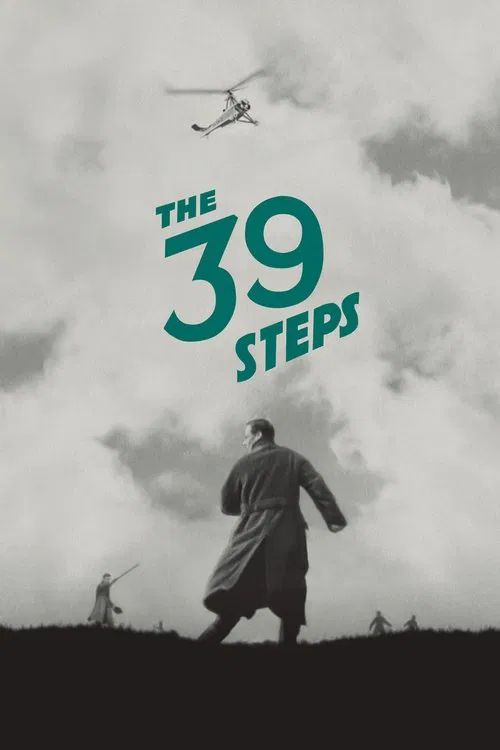
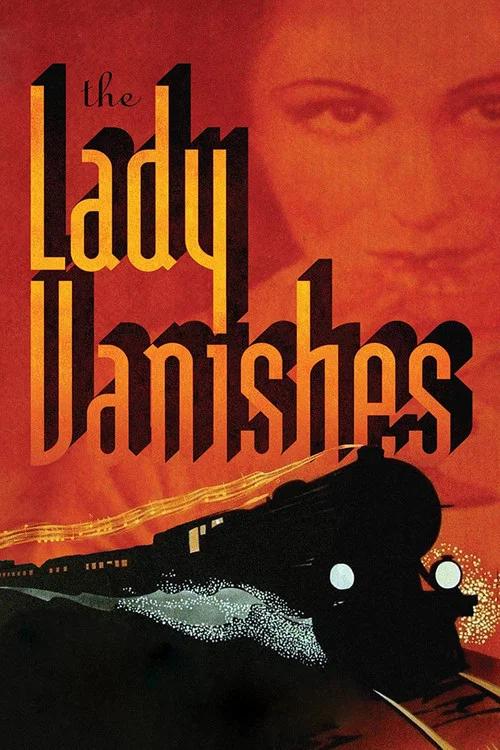
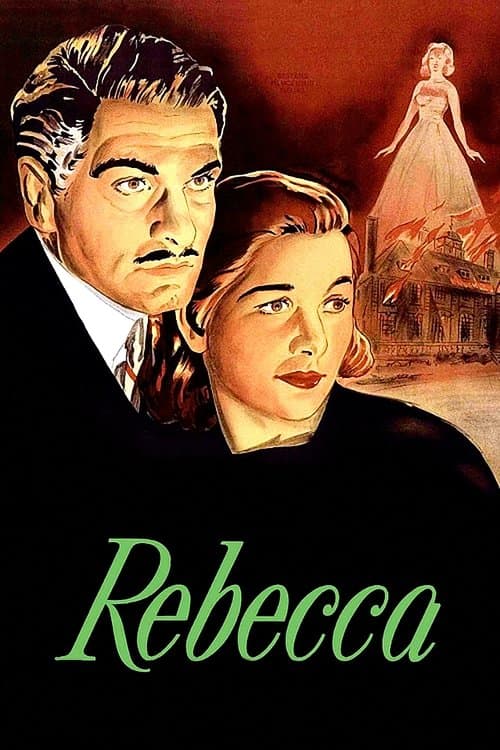
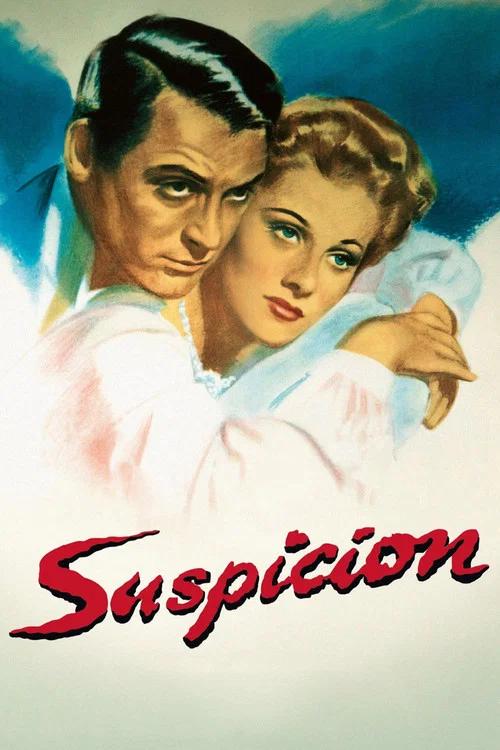
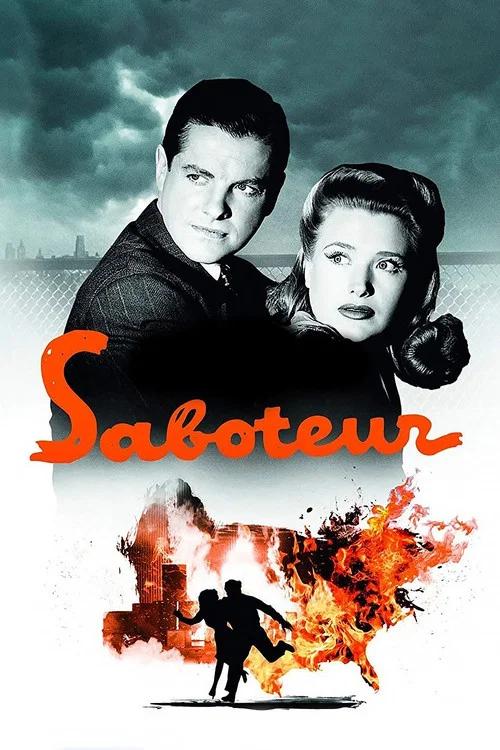
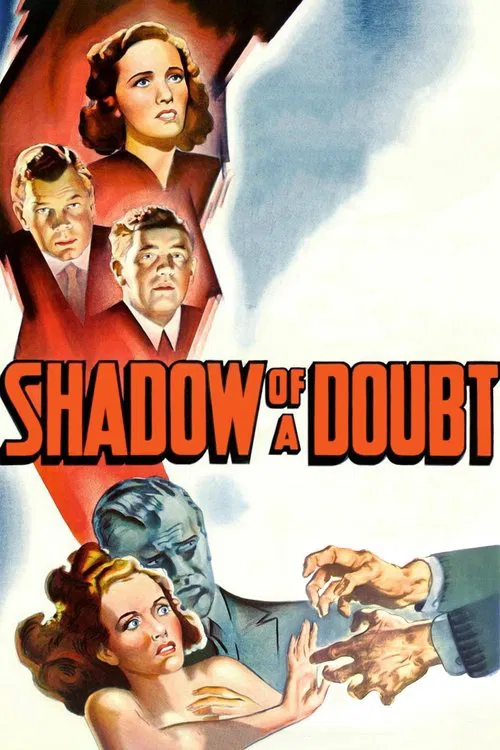
Alfred Hitchcock directed I Confess, released in 1953. CineCode also covers The 39 Steps (1935), The Lady Vanishes (1938), Rebecca (1940), Suspicion (1941), Saboteur (1942), Shadow of a Doubt (1943).
What films are similar to I Confess?
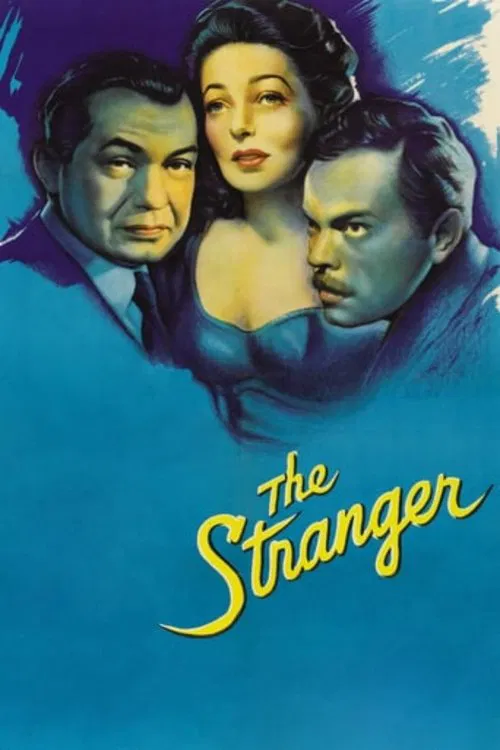
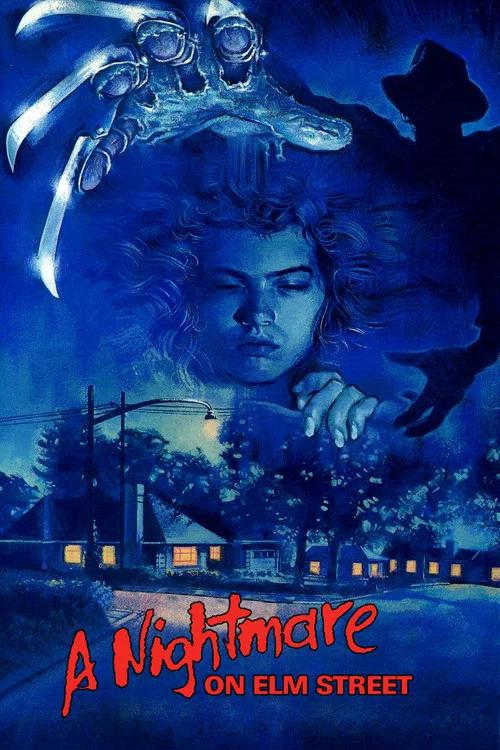
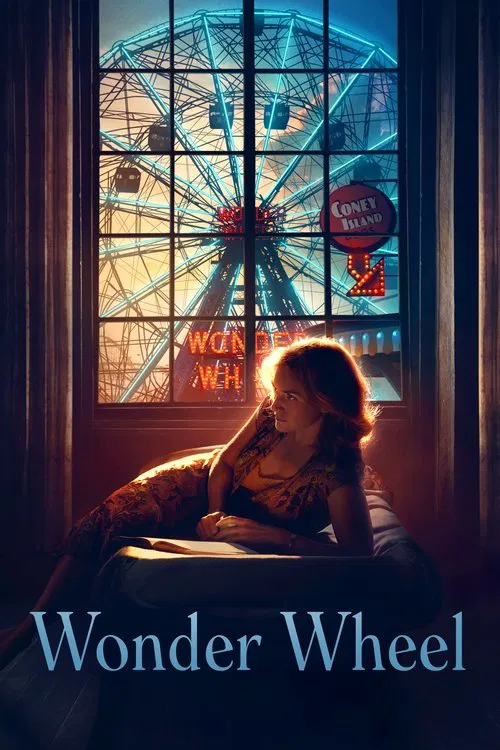
Films that share techniques with I Confess include Always (1989), Wonder Wheel (2017), The Stranger (1946), A Nightmare on Elm Street (1984).