Drama · War

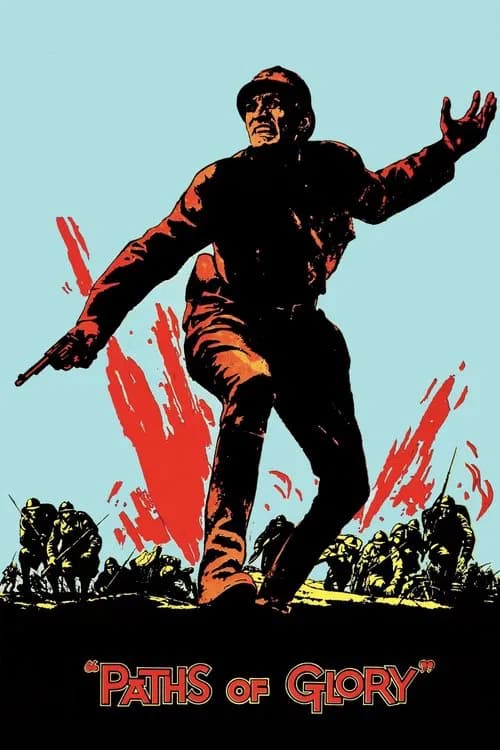
Paths of Glory

Stanley Kubrick, 1957

During World War I, a French general orders a suicidal attack on a German position that cannot be taken. When it fails, he has 3 soldiers chosen and court-martialed for cowardice to cover his own incompetence. The film treats military authority as murder made official.

Paths of Glory (1957) poster

At a glance

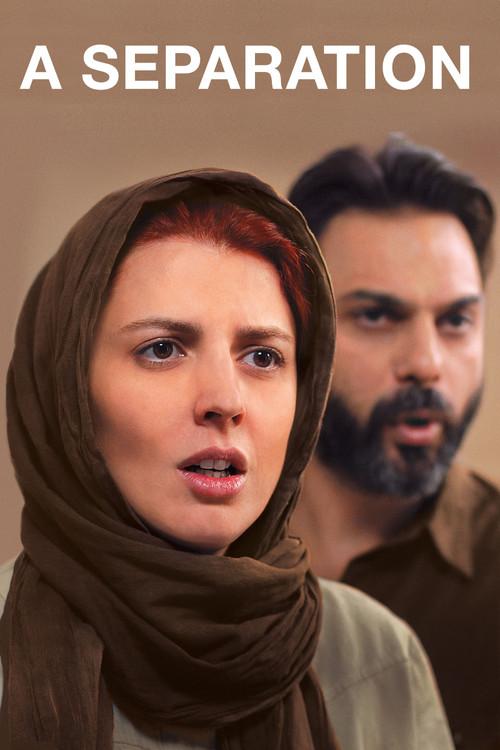
Paths of Glory is a 1957 drama and war film directed by Stanley Kubrick. This breakdown covers 4 techniques (2 cinematography, 1 narrative and 1 sound), each with the scene where you can see it. If you like how it is made, A Separation uses several of the same techniques.

Cinematography

Tracking Shot as Mechanical Dread

Moving the camera smoothly and steadily through a dangerous place or past a series of horrors. The even pace feels like a machine that never tires or hesitates, which builds dread.

How this film uses it

Kubrick's tracking shots, where the camera travels smoothly along with its subject, move through the World War I trenches at walking pace. The camera is unhurried and unstoppable, and it takes note of the conditions. It doesn't react to what it passes. It simply keeps going. The horror ends up feeling like part of the system, with nothing unusual about it.

Where to see it

Colonel Dax walking the length of the trench before the assault. The tracking shot shows you the conditions the impossible order has to be carried out in.
Cinematography

Architectural Class Opposition

Contrasting the buildings and rooms different social classes live in. The powerful get large, warm spaces and the powerless get cramped or exposed ones, so you see a gap nobody says aloud.

How this film uses it

Kubrick shoots the generals' mansion in warm light, with high ceilings and formal symmetry. These rooms belong to the people who make decisions. The trenches are low, dark and cramped, and they belong to the people who carry those decisions out. The buildings show you the class divide without a word.

Where to see it

The cut between the generals' mansion and the trenches. It is the same war lived in 2 completely different kinds of space.

Narrative

Legal Theater

Staging a trial as a performance, with testimony and cross-examination played like theater. The rules can bring out the truth, or they can hide a verdict that was decided in advance.

How this film uses it

The court martial of the 3 soldiers follows every formal step, with witnesses, arguments and a judge. At the same time, the film makes it absolutely clear that the verdict was decided before the trial began. The ceremony of law puts on a show of justice while doing the opposite.

Where to see it

The court martial sequence. Formal procedure is used to confirm a decision that was already made.

Sound

Song as Character Expression

Using a song or music contest to show who a character is or what they stand for. The music works as argument, duel or revelation.

How this film uses it

A German girl is forced to sing for French soldiers who plan to mock her. She sings a simple folk song. The soldiers, many of whom will die, go quiet and then start humming along. The moment argues that the war is destroying their humanity but cannot put it out completely.

Where to see it

The German girl's song. It is the film's final sequence, and it answers everything that came before with a moment of decency.

Questions

Paths of Glory: quick answers

What filmmaking techniques does Paths of Glory use?
CineCode breaks down 4 techniques in Paths of Glory (1957): Tracking Shot as Mechanical Dread, Architectural Class Opposition, Legal Theater and Song as Character Expression.
Who directed Paths of Glory?
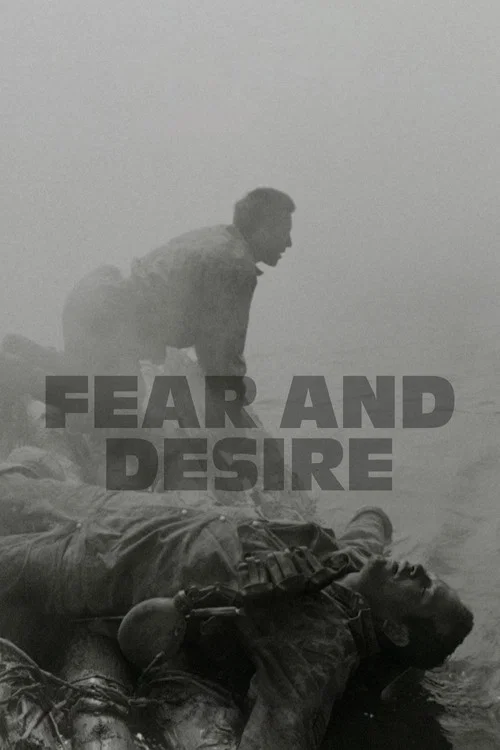
Stanley Kubrick directed Paths of Glory, released in 1957. CineCode also covers Fear and Desire (1953), Killer's Kiss (1955), The Killing (1956), Spartacus (1960), Lolita (1962), Dr. Strangelove (1964).
What films are similar to Paths of Glory?
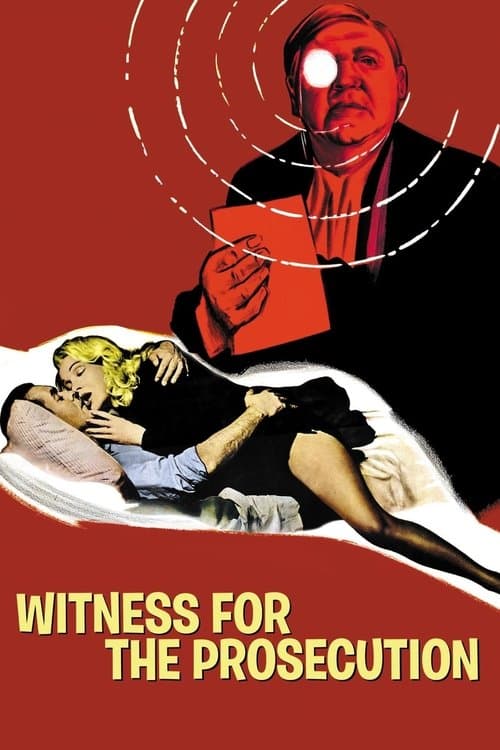
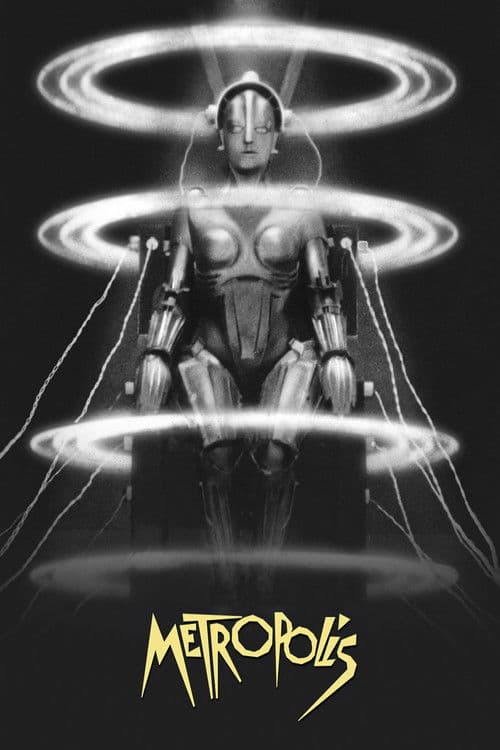
Films that share techniques with Paths of Glory include A Separation (2011), The Apartment (1960), Witness for the Prosecution (1957), Metropolis (1927).