Drama

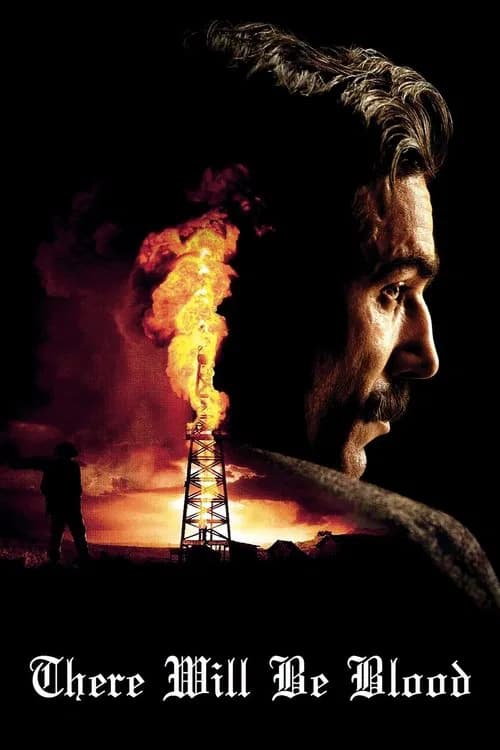
There Will Be Blood

Paul Thomas Anderson, 2007

A silver miner becomes a ruthless oil prospector. On his way up to wealth, he destroys his family, his rivals and the local church, and he ends up rich and alone. Paul Thomas Anderson shoots it like a biblical epic, and the oil stands for the greed in American capitalism that eats away at people.

There Will Be Blood (2007) poster

At a glance

There Will Be Blood is a 2007 drama film directed by Paul Thomas Anderson. This breakdown covers 5 techniques (2 narrative, 1 sound and 2 cinematography), each with the scene where you can see it. If you like how it is made, The Green Mile uses several of the same techniques.

Video breakdowns

More on YouTube ↗

Narrative

False Kinship Exploitation

Showing a character who uses the language of family, friendship or love purely to exploit people. A partner, son or colleague is only a tool for getting money or power.

How this film uses it

Daniel takes in H.W. as his son because a man with a child looks more trustworthy to the landowners he approaches. Years after the boy goes deaf, Daniel disowns him. I feel like it's the most honest moment in the film, since the mask slips and he admits the boy was a tool for business. Every other relationship in the film is a deal of the same kind.

Where to see it

Daniel's speech to H.W. He calls him a 'bastard from a basket'. He sounds relieved, like a man who finally gets to tell the truth.
Sound

Jonny Greenwood Atonalism

Building an orchestral score from clashing sounds: string clusters, altered piano and percussion with no steady beat. It mirrors the main character's inner violence and gives you none of the usual emotional cues.

How this film uses it

Jonny Greenwood's score uses orchestral sounds in unsettling ways and gives you no settled place to rest. It sounds like the oil itself: thick, under pressure and ready to burst. It gives you no comfort and no resolution, and it stays cold at the big dramatic moments. When Daniel wins, the music doesn't celebrate. The score is pretty much the film telling you honestly what you're watching.

Where to see it

The first oil fire. As the derrick burns, the orchestra erupts into violent noise. The music pays no attention to the people getting hurt.

Cinematography

Oil as Living Material

Filming crude oil up close as it gushes, burns and pools, so you can almost feel it. The oil seems alive, with its own will and hunger.

How this film uses it

Robert Elswit photographs the first oil strike with awe and dread. The dark liquid shoots up, coats everything and burns against the night sky. The film treats oil like a creature Daniel has summoned. The camera looks at it with the respect and fear you'd normally give something supernatural.

Where to see it

The oil well fire. The derrick burns at night and you see Daniel's silhouette against the flames. The fire is a disaster, and it also proves the oil is there.

Narrative

Religion and Society Collision

Setting religious belief against class, money or social structure so that faith and power collide, exposing how institutions and values shape characters' choices.

How this film uses it

Eli Sunday is Daniel's double. Both men put on a show, both make demands and both use words to get things out of people. In their final confrontation in the bowling alley, 2 con men see each other clearly for the first time.

Where to see it

Daniel's baptism scene. Eli humiliates him in public, and Daniel accepts it as the price of a business deal. Oil and religion turn out to be the same kind of deal.

Cinematography

Single Space as Dramatic Stage

Setting most of the drama in one defined place, such as a corridor, hideout or backstage area. Its layout and lighting shape the action and become a main visual character.

How this film uses it

Anderson cuts to the bowling alley with no warning. The room is white, geometric and absurd, which suits what Daniel has become. Eli's desperation meets Daniel's contempt here, and everything the film has been saying gets squeezed into its bluntest line: 'I'm finished.' The film ends on that line.

Where to see it

The bowling alley finale. Daniel's 'milkshake' monologue builds until it turns violent, suddenly and inevitably.

Questions

There Will Be Blood: quick answers

What filmmaking techniques does There Will Be Blood use?
CineCode breaks down 5 techniques in There Will Be Blood (2007): False Kinship Exploitation, Jonny Greenwood Atonalism, Oil as Living Material, Religion and Society Collision and Single Space as Dramatic Stage.
Who directed There Will Be Blood?
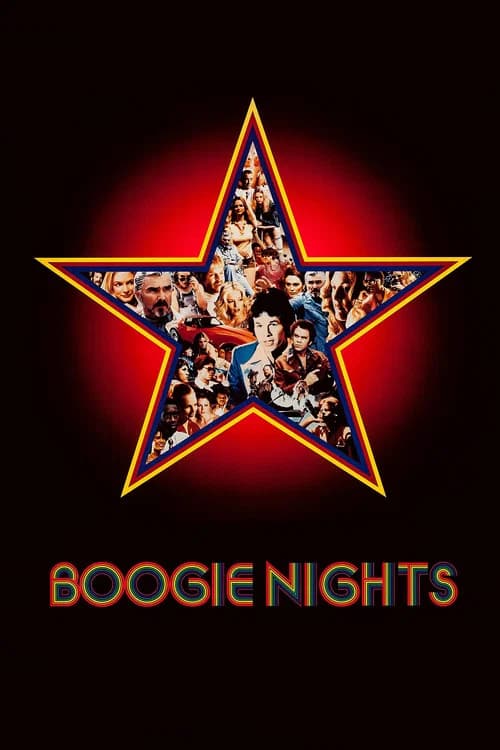
Paul Thomas Anderson directed There Will Be Blood, released in 2007. CineCode also covers Boogie Nights (1997), Hard Eight (1997), Magnolia (1999), Punch-Drunk Love (2002), The Master (2012), Inherent Vice (2014).
What films are similar to There Will Be Blood?
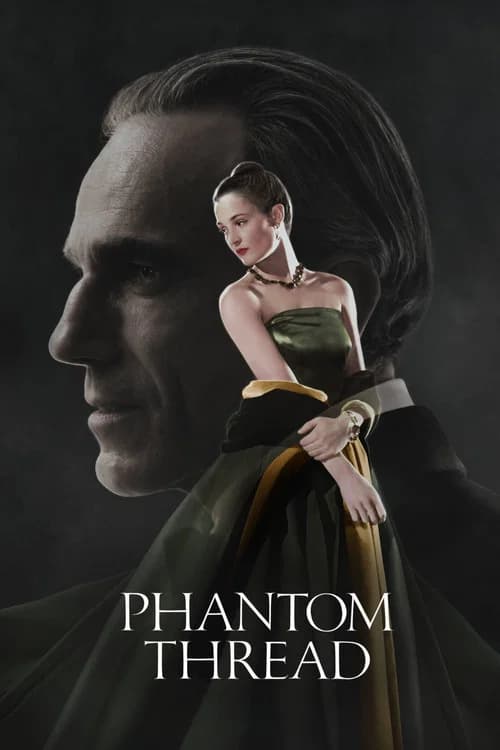
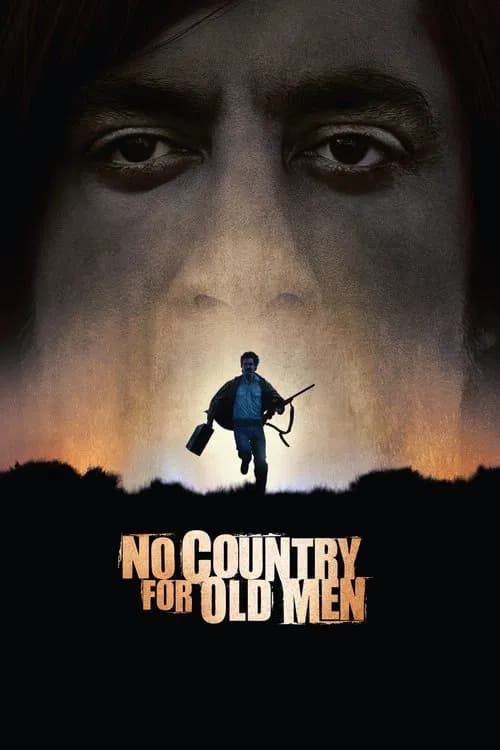
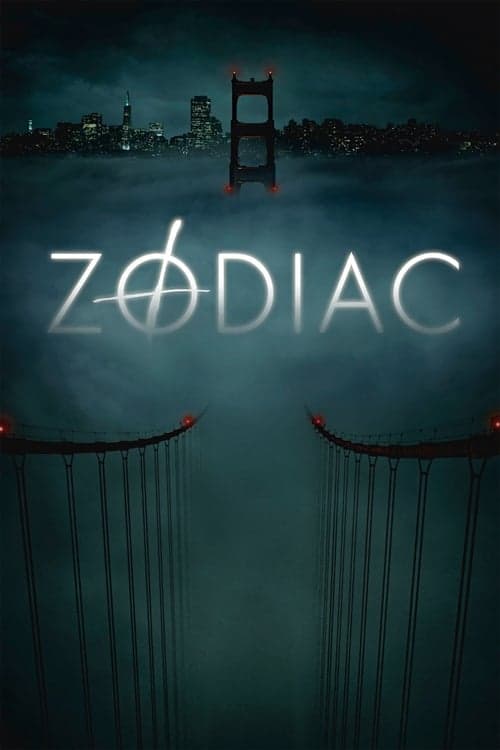
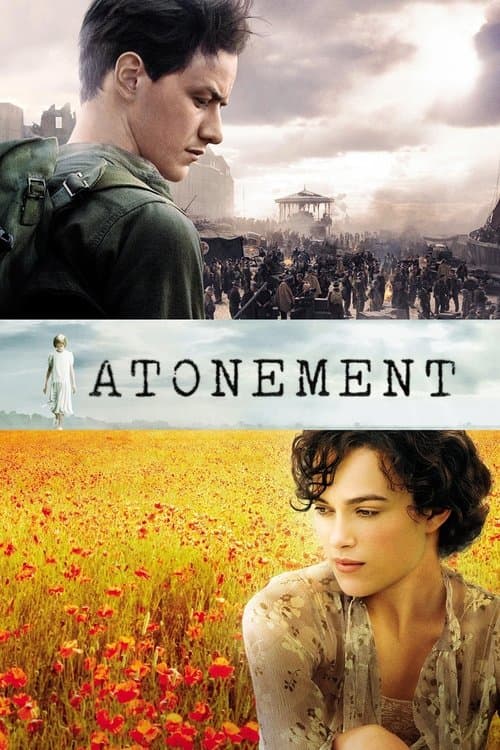
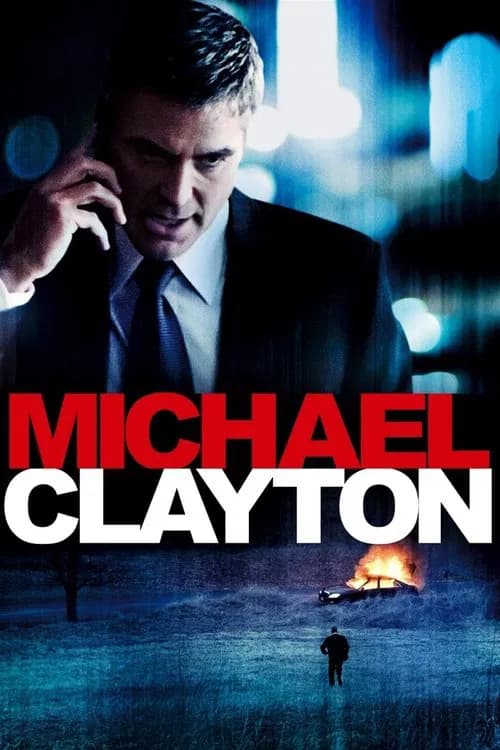
Films that share techniques with There Will Be Blood include The Green Mile (1999), Léon: The Professional (1994), A Separation (2011), Phantom Thread (2017).
Is there a video breakdown of There Will Be Blood?
Yes. There is a short video breakdown of There Will Be Blood on the CineCode YouTube channel, embedded on this page.